What is the Bolzano self-guided walking tour?
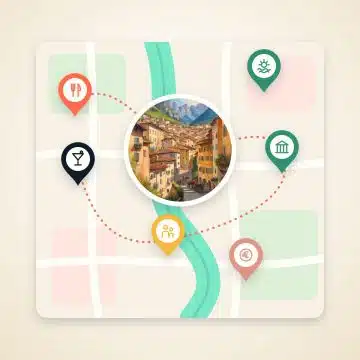
The Bolzano self-guided walking tour is a walk on which your phone does the guiding: the World City Trail app maps the route and narrates the history, legends and curious facts of every stop, with no group and no fixed start. The whole thing takes around 3 hours, 33 minutes of them walking, over 2.4 km and 10 stops. The old town is compact, so most of the time goes on a city where Italian and Tyrolean history sit side by side.
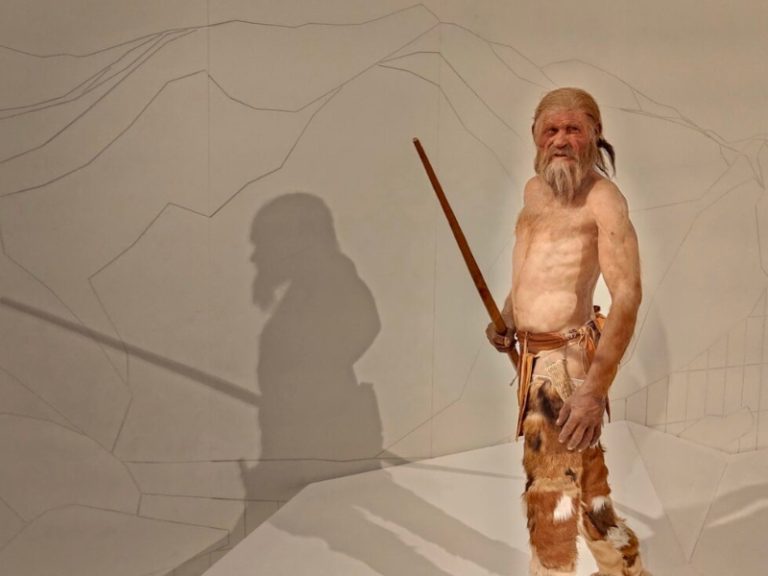
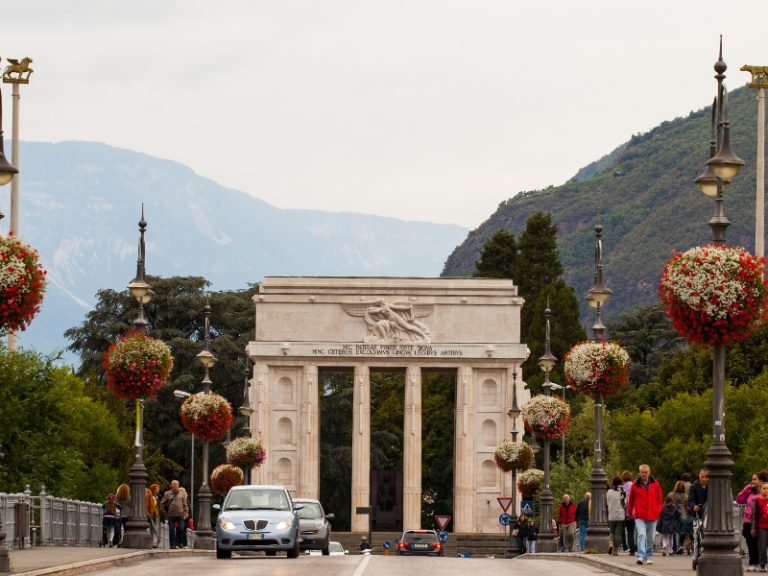
On Piazza Walther the narration tells how the fascist authorities took down the statue of the poet Walther von der Vogelweide in 1935 and how it only returned in 1981. At the Neptune fountain on Piazza delle Erbe you hear why locals call the sea god Gabelwirt, and at the archaeology museum you meet Ötzi, the Iceman who lived some 5,300 years ago and was found in a glacier in 1991. The Victory Monument brings the story of a triumphal arch built under fascism and of the exhibition that has explained it since 2014.
- Durationabout 3 hours
- Walkingabout 33 min · 2.4 km
- Stops10
- LanguagesEnglish, German, French, Italian, Spanish, Dutch
What the walk looks like
Arrive and listen
When you reach a stop, the narration begins: who built it, what happened there, the legend attached to it and a detail worth looking for. If you prefer, read the same chapter as text instead.
Walk on
The way to each next stop appears in Google Maps. Over the full 2.4 km you walk for about 33 minutes, at whatever speed feels right.
Break it up
A long lunch, a museum or simply a bench in the sun: close the app and pick up where you left off, the same day or another one.
Use the local tips
Suggestions for places to eat and local shops near the route come with the walk. Prefer a different first stop, or another sequence? The app handles that too.
See the route and attractions →
How it works
- Book online Choose the number of people. Your booking reference arrives by email straight away.
- Get the app Download the World City Trail app from the App Store or Google Play and enter your booking reference.
- Walk when you like Start whenever you are ready, walk at your own pace and pause any time. No guide, no fixed schedule.
Is this walk for you?
People who ask why
If you want to know who built a gate, or how a street got its name, the narration has the answer.
Families and couples
Legends for the children, history for the adults, and everyone moves at the same relaxed speed.
Back for another visit
Familiar streets look different once you know the stories behind them.
Good to know
- Bring a charged smartphone with mobile data; a power bank helps.
- No entry tickets needed: everything happens outside the buildings. Going inside is optional and paid separately.
- Family friendly; children must be accompanied by an adult.
- Not suitable for wheelchair users and difficult with strollers.
- Groups of up to 5 work best; larger groups split up, one ticket per person.
- Every purchase helps support stray cats and dogs in Greece.
From the cathedral to the Dominicans, stop by stop
10 stops · about 33 min walking · start: Bolzano Cathedral · finish: Dominican Church
The cathedral, with its roof of glazed tiles, is the first stop, and Piazza Walther opens up right beside it. From there the walk enters the old town and follows Via dei Portici, the arcaded street the bishops of Trento laid out in the 12th century, to the market on Piazza delle Erbe. The South Tyrol Museum of Archaeology and the City Museum come next, then the Victory Monument across the Talfer and the glass cube of Museion, before the Dominican Church closes the walk. The app lets you start elsewhere, and none of the stops charges admission.
Open the route map ↗
1Bolzano CathedralStart
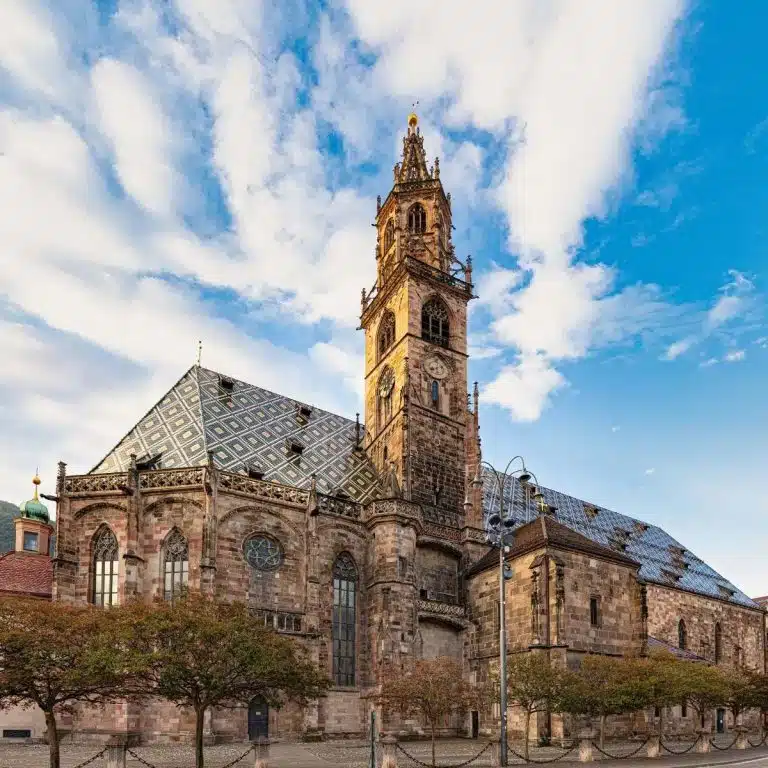
The Cathedral of the Assumption is a Gothic church built mainly in the 14th and 15th centuries on the site of earlier churches. Its steep roof is covered with colourful glazed tiles, and its openwork spire, completed in the early 16th century, rises high above the old town.
2Piazza Walther
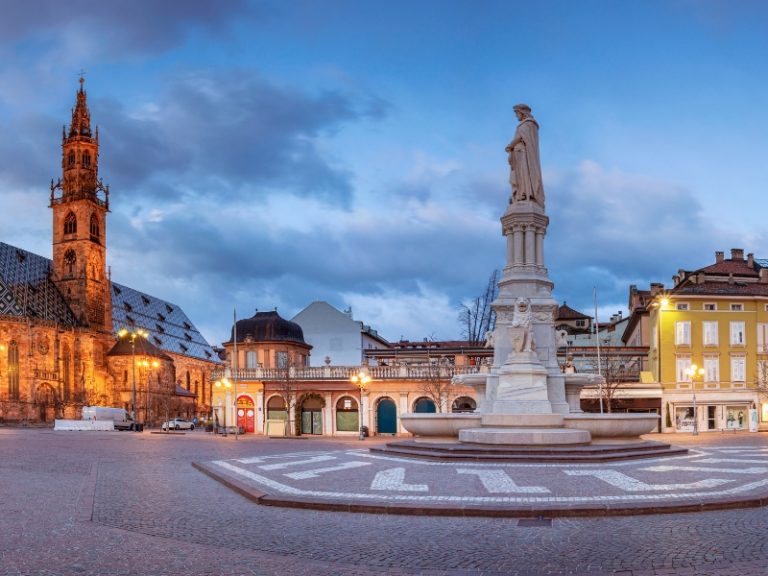
Bolzano's main square, laid out in the early 19th century, is named after Walther von der Vogelweide, the medieval poet of courtly love, whose marble statue stands in the middle. The fascist authorities removed the statue in 1935, and it returned only in 1981. Each winter the square hosts the city's Christmas market.
Read the full story →
3Bolzano Old Town
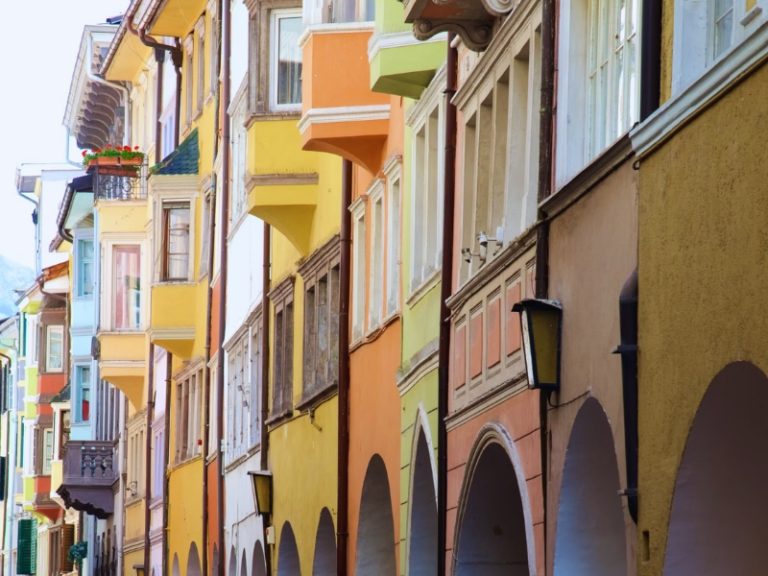
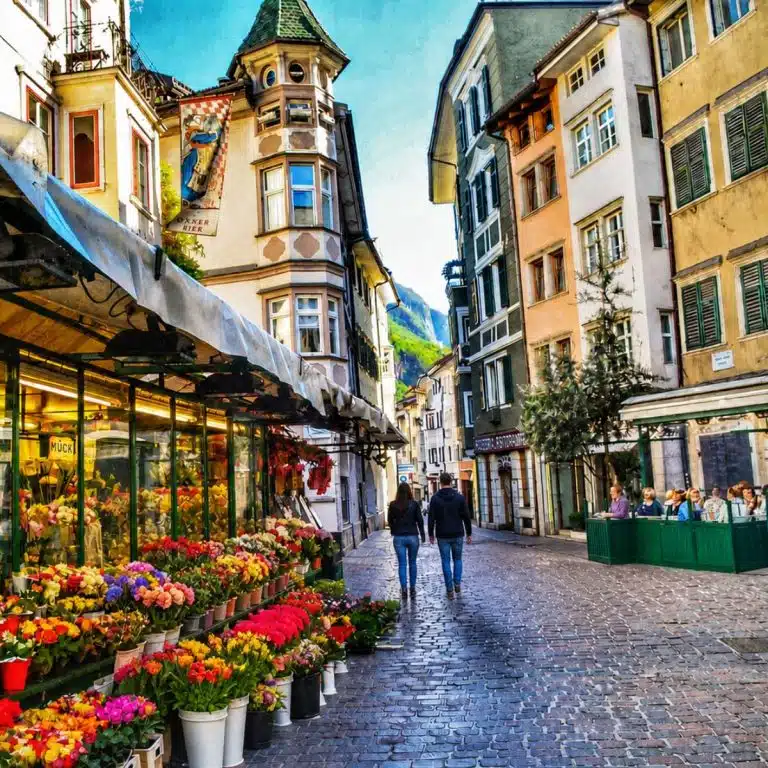
Bolzano grew in the Middle Ages as a market town on the trade route between Italy and the German-speaking lands over the Brenner Pass. Its narrow lanes, arcades and painted house fronts mix Italian and Tyrolean influences, and street names are signed in both German and Italian.
Read the full story →
4Via dei Portici
Bolzano's main shopping street, called Laubengasse in German, was laid out in the late 12th century by the bishops of Trento. Its long arcades shelter narrow, deep merchant houses, and the Mercantile Palace, built in the early 18th century, was the seat of the city's trade court.
Read the full story →
5Piazza delle Erbe
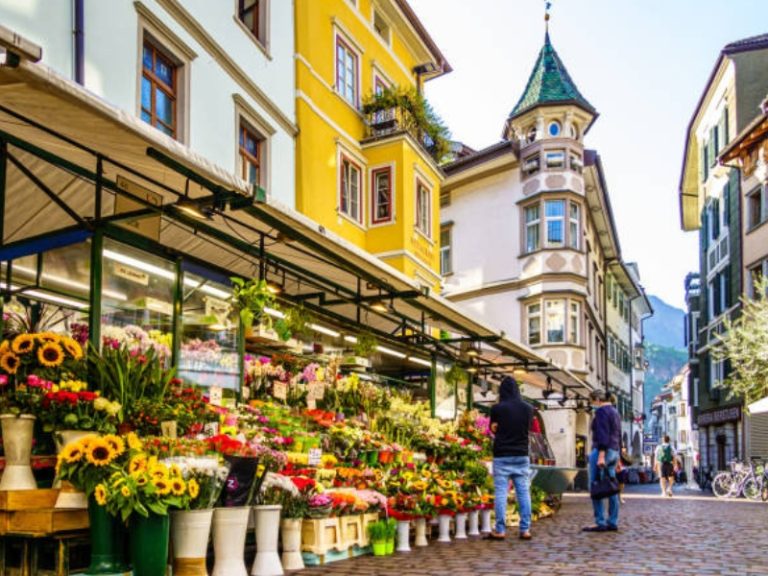
This square, called Obstplatz in German, has been home to a fruit and vegetable market for centuries. At its upper end stands an 18th-century fountain with a statue of Neptune, which locals nickname Gabelwirt because of the god's fork-like trident.
6South Tyrol Museum of Archaeology
This museum is the home of Ötzi, the Iceman, who lived about 5,300 years ago and whose body was found in a glacier in the Ötztal Alps in 1991. He is kept in a cooled chamber, and the museum also shows his clothes, his copper axe and the rest of his equipment.
7Bolzano City Museum
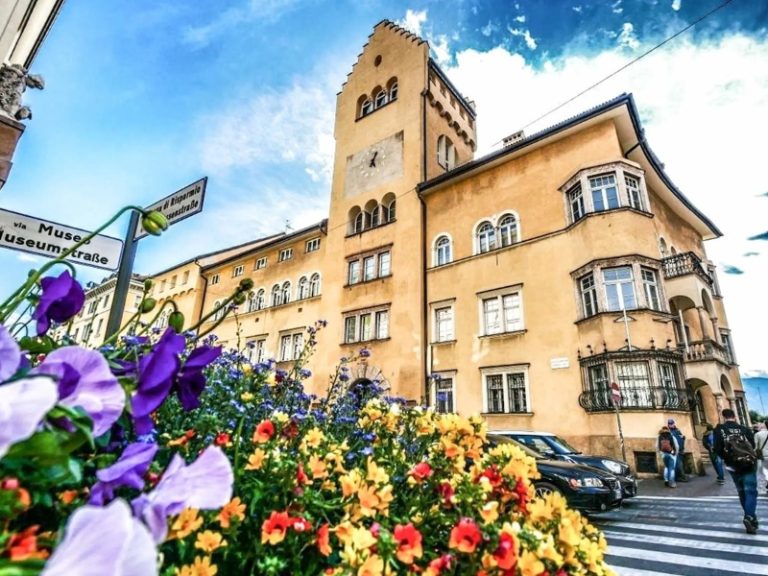
The City Museum is one of the oldest museums in South Tyrol, and its building near the river Talfer dates from the early 20th century. Its collections cover local art, history and folk culture.
8Victory Monument
The fascist regime built this marble triumphal arch between 1926 and 1928, designed by Marcello Piacentini, to celebrate Italy's victory in the First World War and the annexation of South Tyrol. Since 2014 a permanent exhibition beneath it explains its history and the city's past under fascism and Nazism.
9Museion
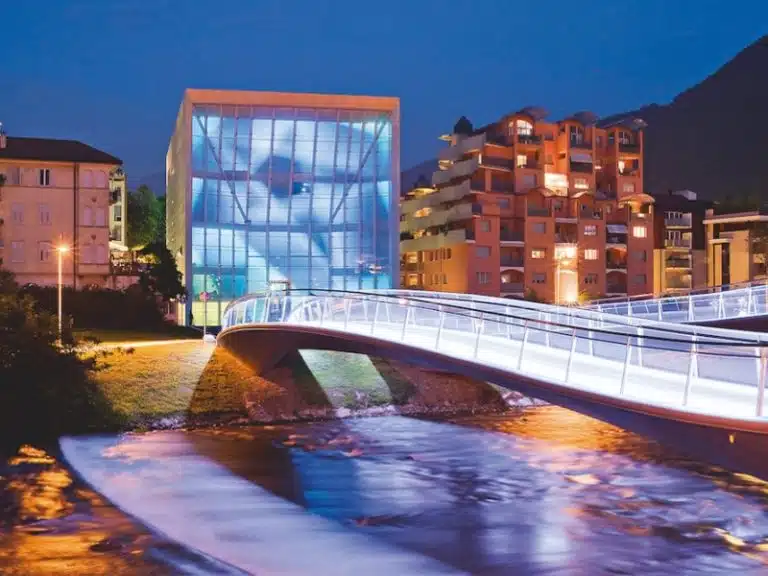
Museion is Bolzano's museum of modern and contemporary art, housed since 2008 in a glass and metal cube by the river Talfer. At night its glass façades can turn into a large screen for video art.
10Dominican ChurchFinish
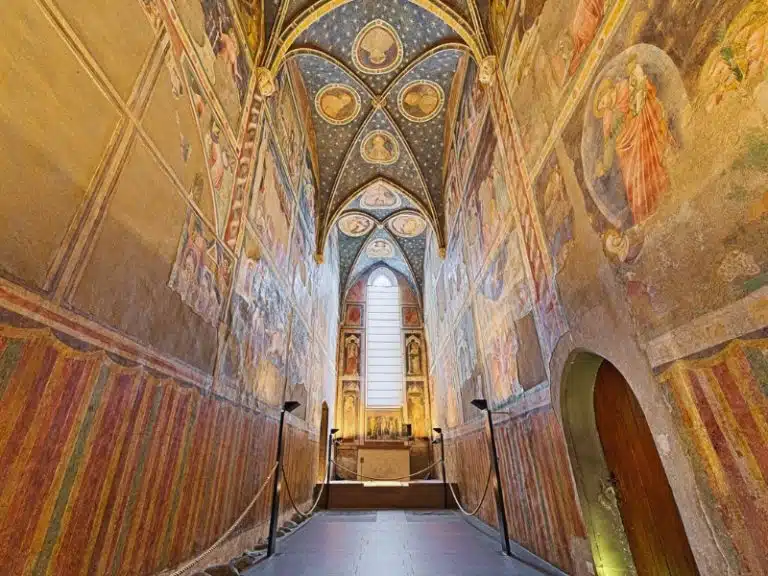
Dominican friars founded this church and monastery in the 13th century. Its Chapel of St John is decorated with 14th-century frescoes by painters of the school of Giotto, an early sign of Italian painting north of the Alps.
Read the full story →
Only logged in customers who have purchased this product may leave a review.



Germany –
Collected on GetYourGuide
United States –
Collected on GetYourGuide
Clarification that there is no need to look for address given as we were