
Perched dramatically on a bastion overlooking the mighty Rhine River, Alter Zoll in Bonn is one of city’s most iconic and historically significant landmarks. This picturesque terrace, crowned by a distinctive turret, is not merely a scenic viewpoint; it is a layered testament to the city’s strategic importance, its medieval defenses, and its enduring connection to the river that has shaped its destiny. A visit to Alter Zoll offers a breathtaking panorama of the Rhine, the Siebengebirge hills, and a tangible link to Bonn’s rich past as a fortified electoral residence.
Origins as a Customs Post and Fortification
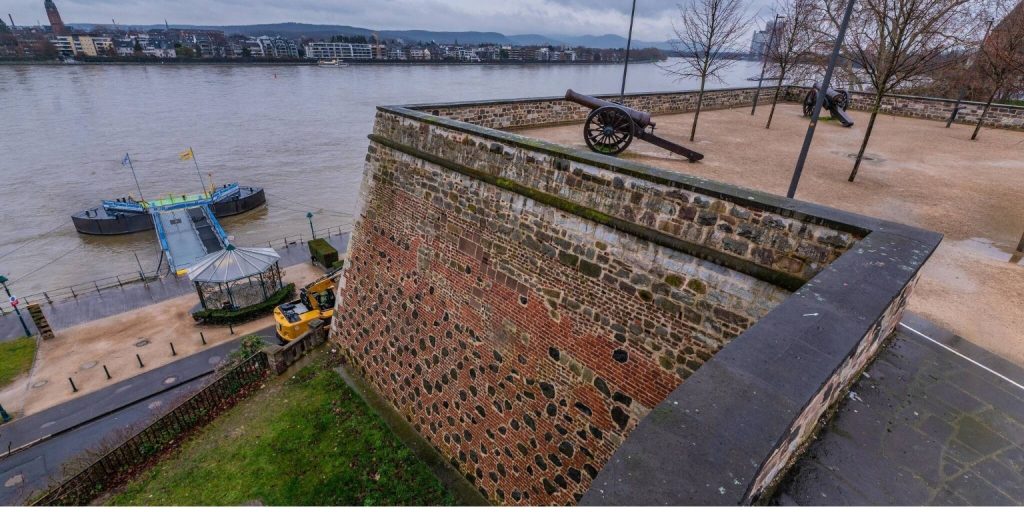
The name “Alter Zoll” translates directly to “Old Customs House” or “Old Toll Station,” precisely indicating its original function. Its history dates back to the 13th century, when the site was part of Bonn’s medieval city fortifications. The strategic location, commanding excellent views of the Rhine, made it an ideal spot for controlling river traffic and collecting customs duties.
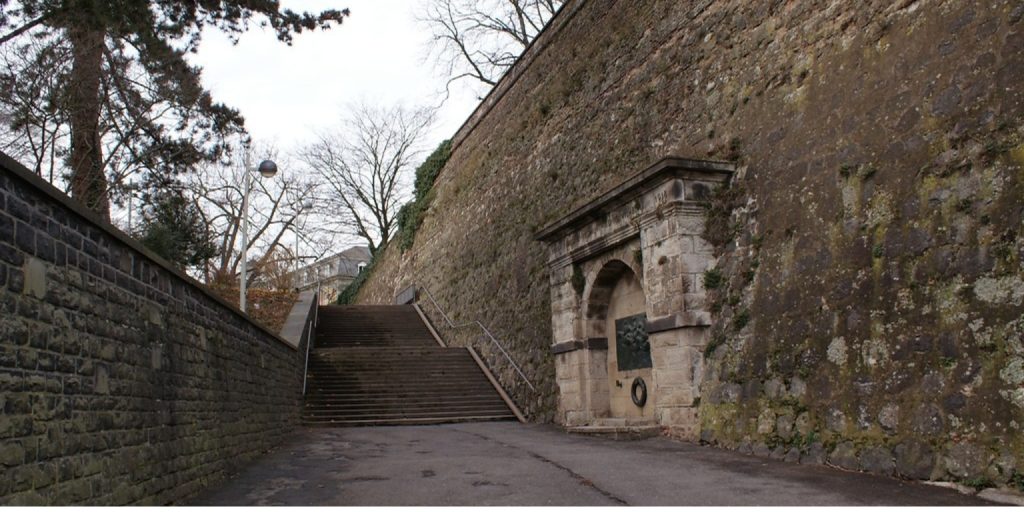
The most prominent structure visible today, the round tower or turret, stands on the remnants of a powerful bastion that was part of the city walls. While the exact “build date” of the current turret is debated, its core defensive elements date back to the late Middle Ages. It served as a critical defensive point, protecting the city from approaches by river and land, and ensuring that no vessel could pass without paying its toll. The customs house building itself, which would have stood near the tower, facilitated these operations.
Over centuries, as warfare evolved and city defenses changed, the need for such a customs post at this exact location diminished. The fortifications around it also lost their primary military function.
From Defense to Panoramic Promenade: The 19th-Century Transformation
The significant transformation of Alter Zoll in Bonn from a purely military and customs site into the beloved public promenade it is today largely occurred in the 19th century. With the rise of Romanticism and an increasing appreciation for scenic views, particularly those along the Rhine, former fortifications were often repurposed into public parks and viewpoints.
The bastion at Alter Zoll in Bonn was consciously developed into a scenic terrace in the mid-19th century. This included landscaping, the addition of trees, and benches, transforming it into a popular spot for leisurely strolls and admiring the majestic river landscape. The round tower, no longer a military necessity, became a distinctive architectural feature, enhancing the romantic appeal of the site. Its development into a public space coincided with Bonn’s growing prominence as a cultural and intellectual center.
A Beacon and a Memorial
Today, Alter Zoll in Bonn stands as one of city’s most cherished landmarks, equally popular with locals and tourists. Its primary draw remains the unparalleled panoramic views it offers. From this elevated vantage point, visitors can survey:
- The broad expanse of the Rhine River, dotted with ships and boats.
- The picturesque Siebengebirge (Seven Mountains) on the opposite bank, including the famous Drachenfels.
- The Beuel district on the eastern bank, connected by bridges.
- The sprawling urban landscape of Bonn itself.
The site is particularly popular at sunset, when the sky over the Rhine often transforms into a canvas of vibrant colors.
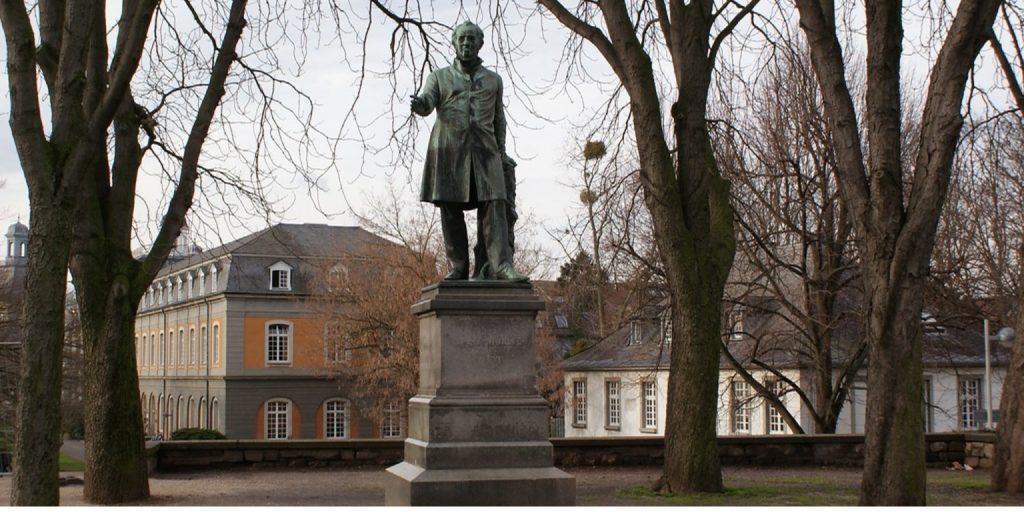
Beyond its scenic beauty, Alter Zoll also functions as a site of commemoration. A prominent feature is the statue of Ernst Moritz Arndt, a renowned German nationalist, writer, and historian who lived in Bonn and is buried in the Old Cemetery. His monument, erected in 1865, reflects the 19th-century intellectual and nationalistic currents that shaped Germany.
The terrace also houses several cannons, remnants of its defensive past, further enhancing its historical ambiance. These cannons, though no longer active, silently evoke the centuries when the bastion was a vital part of the city’s protection.
The Alter Zoll in Bonn, with its origins as a medieval customs and defensive tower in the 13th century and its transformation into a scenic public promenade in the 19th century, embodies layers of the city’s rich history. It stands as a timeless symbol of Bonn’s strategic importance, its enduring connection to the Rhine, and its evolution from a fortified medieval town to a modern, vibrant city. It remains an essential destination for anyone seeking to absorb the beauty and historical depth of Bonn.