
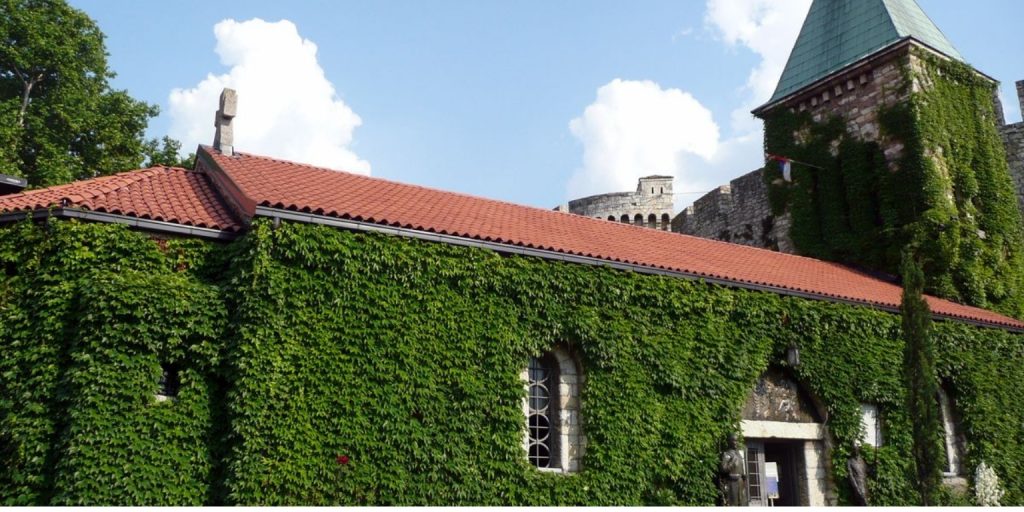
Nestled within the formidable walls of Belgrade’s Kalemegdan Fortress, the Ruzica Church in Belgrade (Crkva Ružica) is a spiritual oasis that stands as a unique testament to the city’s tumultuous history. Far from being a grand cathedral, this small, unassuming Serbian Orthodox church possesses a profound and poignant character, largely shaped by the very conflicts that once raged around it. Its most striking feature, a set of chandeliers crafted from spent bullet casings and weaponry, offers a powerful, visual narrative of resilience and faith amidst destruction.
A Layered History: From Gunpowder Magazine to Church
The history of the Ruzica Church is as layered as the fortress walls that surround it. The building itself was not originally constructed as a church. Its earliest known purpose dates back to the 18th century, during the period of Austro-Hungarian occupation of Belgrade. At this time, the structure served as a gunpowder magazine for the Austrian army.
Following the First Serbian Uprising in the early 19th century, and especially after the Ottoman forces finally relinquished control of Belgrade in 1867, the fortress began its transformation from a purely military stronghold to a public space. It was then that the former gunpowder magazine was converted into a military church, primarily serving the Serbian army stationed within Kalemegdan. This conversion took place in 1867 itself, marking its official establishment as a place of worship.
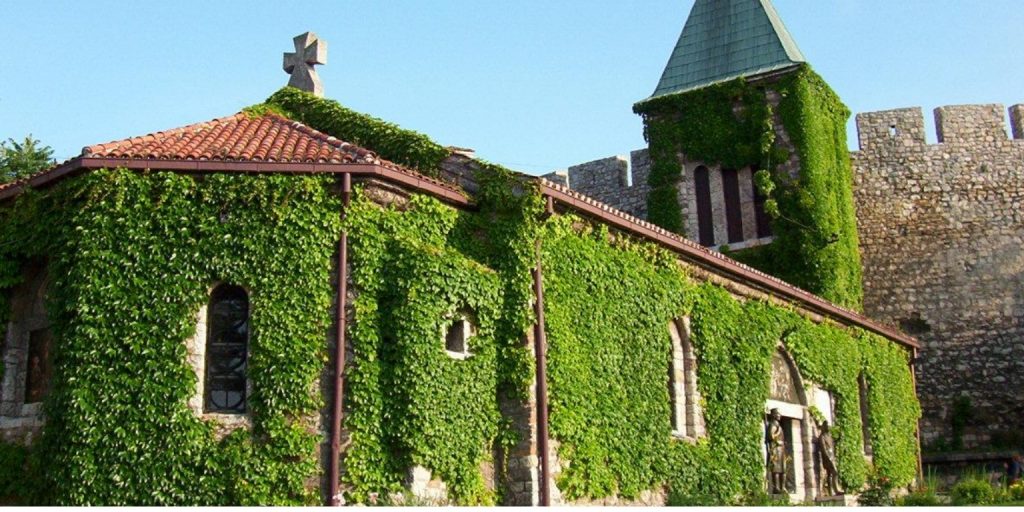
However, the church suffered significant damage during the First World War. Belgrade was heavily shelled, particularly during the Austro-Hungarian invasion of 1914-1915. The church, being within the fortress, bore the brunt of intense bombardments, leaving it severely ruined.
Rebirth from Ruin: The 20th Century Reconstruction
After the devastation of World War I, the Ruzica Church underwent a comprehensive reconstruction and restoration. This vital work began in 1925 and was completed in 1926, largely financed by donations from the Serbian Orthodox Church and the Serbian state. During this reconstruction, the church was adorned with its remarkable interior features, turning its wartime past into a powerful symbol of spiritual triumph.
It was during this post-WWI renovation that the church acquired its most distinctive elements, designed by Russian émigré artists and local craftsmen:
- The Unique Chandeliers: The most famous and haunting feature of Ruzica Church are its extraordinary chandeliers. These were meticulously crafted from materials collected directly from the battlefields of World War I. They are made from spent bullet casings, cannon shells, swords, and other discarded military paraphernalia. This macabre yet beautiful artistry transforms instruments of death into symbols of light and peace, making them a poignant memorial to the soldiers who fought and fell.
- Wall Frescoes: The interior walls are adorned with striking frescoes depicting scenes from Serbian history, including important historical figures and soldiers from the Balkan Wars and World War I. These murals reinforce the church’s connection to the nation’s military and spiritual struggles.
- Wooden Carvings: The iconostasis and other wooden elements within the church feature intricate carvings, adding to its rustic yet sacred ambiance.

A Sanctuary Within Kalemegdan Today
Located in the Lower Town of Kalemegdan Fortress, near the Zindan Gate and across from St. Petka’s Chapel, Ruzica Church stands as a serene contrast to the imposing military architecture surrounding it. Its relatively small size and unassuming exterior belie the powerful narrative contained within.
Today, Ruzica Church in Belgrade continues to function as an active Serbian Orthodox church, holding regular services. It is also a significant pilgrimage site and a popular attraction for tourists, drawn by its unique history and the haunting beauty of its wartime chandeliers. A visit to this church offers a profound moment of reflection on the cost of conflict and the enduring power of faith. From its beginnings as an Austrian gunpowder magazine in the 18th century, its conversion to a military church in 1867, its destruction in World War I, and its subsequent rebuilding and re-consecration in 1926, Ruzica Church is a living, breathing monument to Belgrade’s extraordinary resilience and spiritual depth.