
Perched subtly on the northern façade of the magnificent Church of Notre-Dame in Dijon, a small, weathered stone carving known simply as the Owl of Notre-Dame holds an extraordinary place in the heart of the city’s identity and lore. Far from a grand monument, this unassuming owl has become the beloved symbol of Dijon, a bringer of good fortune, and the focal point of a cherished tradition that has spanned centuries. A visit to the Owl of Notre-Dame in Dijon offers a charming and tangible connection to the city’s deep history and its whimsical spirit.
A Small Carving with a Big Story
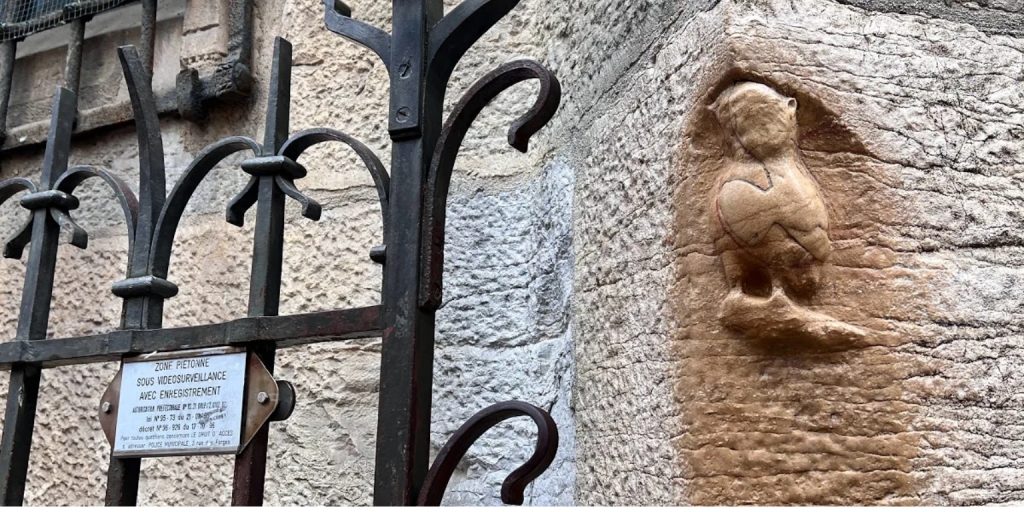
The Owl of Notre-Dame is a small stone relief sculpture, estimated to date back to the late 15th or early 16th century. While the Church of Notre-Dame itself is a masterpiece of 13th-century Gothic architecture, completed between 1230 and 1250, the owl carving was added later, likely during the construction of a more “modern” (by medieval standards) chapel on the church’s north wall. Its exact origin and the identity of its carver remain shrouded in mystery, adding to its unique allure.
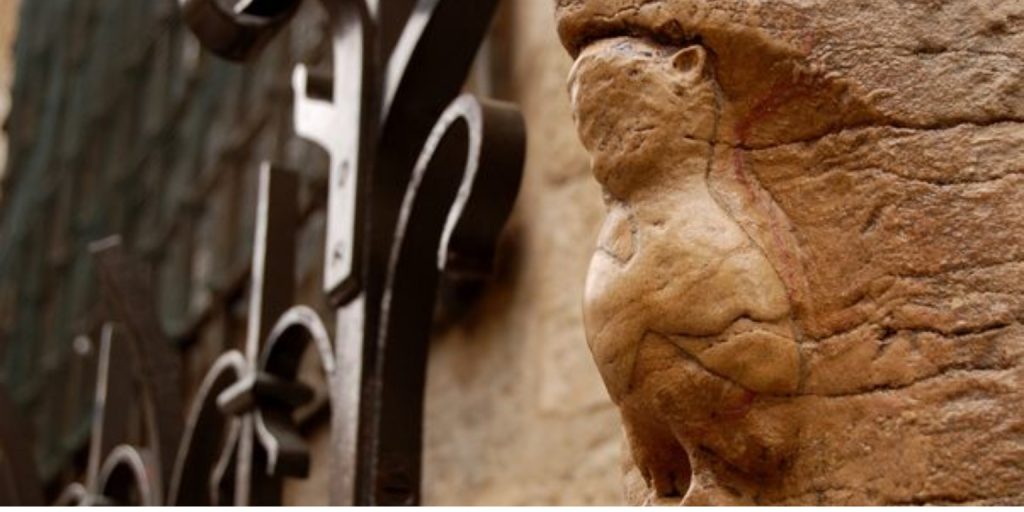
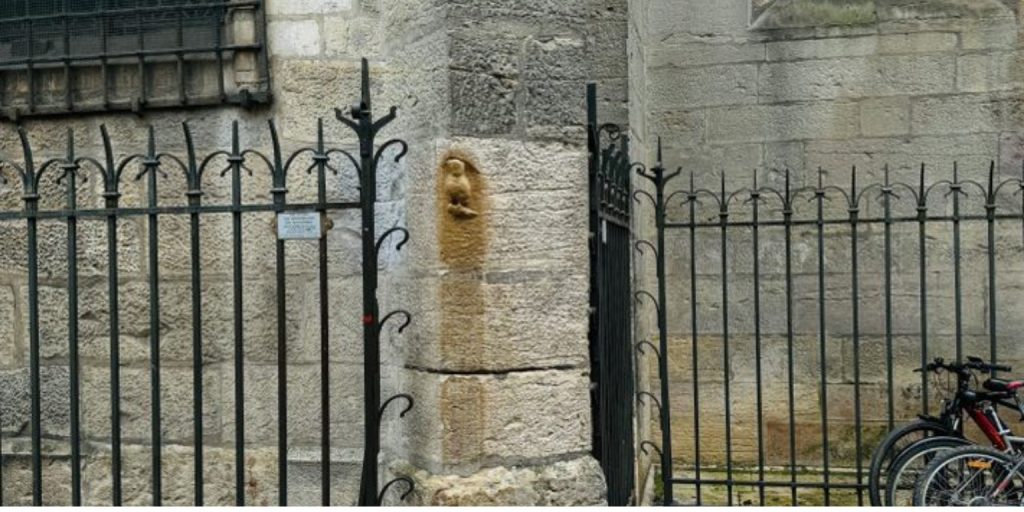
Located on a buttress on Rue de la Chouette (Owl Street), the carving is positioned at about six feet off the ground, making it easily accessible to passersby. Its features, once likely sharp and defined, have been smoothed over centuries by the countless hands that have reached out to touch it. This physical erosion of the stone serves as a powerful testament to the longevity and popularity of the tradition associated with the owl.
Scholars and locals offer several theories about its original purpose: it might have been the personal insignia of a stonemason named “Chouet” (a play on words, as “chouette” means owl in French), a protective talisman against fire, or even a more profound symbol of wisdom, perhaps referencing Athena’s owl from classical antiquity. Regardless of its original intent, its current significance as a lucky charm has completely eclipsed any former meaning.
The Lucky Charm of Dijon
The primary reason for the Owl of Notre-Dame’s immense popularity is the deeply ingrained local superstition: it is believed that if one touches the owl with their left hand (the side of the heart) and makes a wish, that wish will come true. This simple yet powerful ritual has been embraced by generations of Dijonnais and countless tourists, making the owl a global phenomenon in the realm of quirky good luck charms.
The tradition highlights a fascinating blend of folklore and human desire for fortune. The act of touching the smooth stone connects present-day visitors with a long line of wish-makers stretching back hundreds of years, making the experience feel uniquely personal and timeless. For many, it’s a small, hopeful moment within their travels, a chance to partake in a local custom that truly embodies the charm of Dijon.
More Than Just a Carving: A City’s Emblem
The Owl of Notre-Dame in Dijon has transcended its physical form to become a ubiquitous symbol of the city itself. Its image is found throughout Dijon, adorning souvenirs, appearing in official tourism literature, and serving as the emblem for the local football club, Dijon Football Côte d’Or.
Perhaps most notably, the owl is the guiding motif for the “Parcours de la Chouette” (Owl’s Trail), a popular self-guided walking tour that leads visitors through the historic center of Dijon. Bronze owl plaques embedded in the pavement guide tourists to 22 of the city’s most significant landmarks, ensuring that visitors discover the beauty and history of Dijon with the wise owl as their constant companion. This initiative by the Dijon Tourist Office has further cemented the owl’s role as the city’s unofficial mascot and a key element of its cultural identity.
Despite its resilience, the owl has faced challenges. In 2001, the beloved carving was sadly vandalized with hammer blows. However, thanks to a mold made by a Louvre expert in 1988, it was meticulously restored to its former glory. Today, it is under video surveillance, ensuring its protection for future generations to continue the tradition of touching it for good luck.
The Owl of Notre-Dame in Dijon, a humble carving on the Church of Notre-Dame, continues to inspire wonder, grant wishes (or at least the hope of them), and serve as an enduring, endearing symbol of a city rich in history, charm, and captivating folklore. It’s a small detail with immense significance, inviting everyone who passes by to believe in a little bit of magic.