
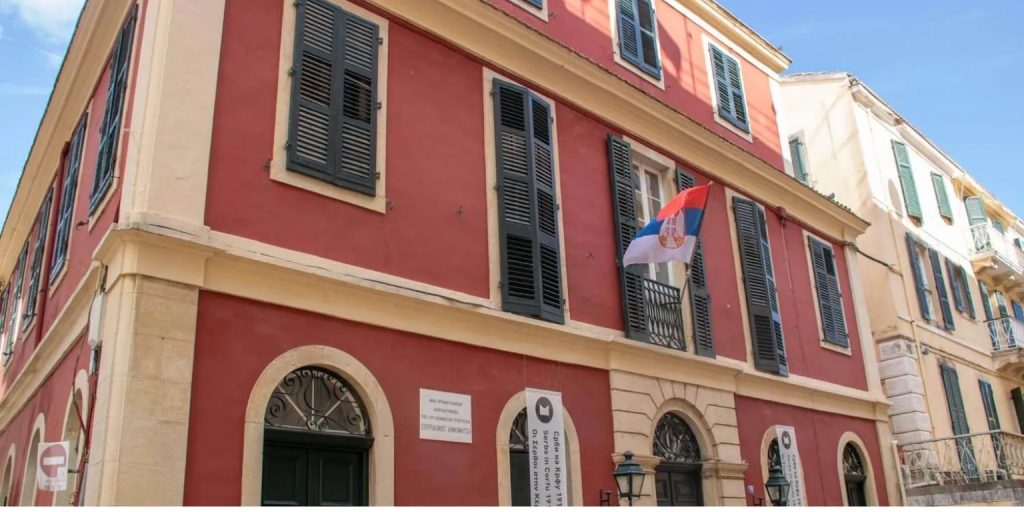
Nestled in the heart of Corfu Town, the Serbian Museum (Serbiko Mouseio) is a small yet profoundly significant institution that preserves a poignant chapter of World War I history. It tells the remarkable and often tragic story of the Serbian Army and civilian refugees who found refuge on the Greek island of Corfu during the winter of 1915-1916. Far more than just a collection of artifacts, the Serbian Museum in Corfu stands as a powerful testament to immense suffering, indomitable spirit, and the enduring bond of friendship between the Serbian and Greek nations.
The Great Retreat and the Island of Salvation
The Serbian Museum’s narrative begins with the harrowing events of late 1915. After enduring relentless offensives from the combined forces of Austro-Hungary, Germany, and Bulgaria, the Serbian Army, along with King Peter I, the government, and hundreds of thousands of civilians, was forced into a desperate and arduous retreat. This epic exodus, known as the “Albanian Golgotha,” saw them traverse the treacherous, snow-covered mountains of Montenegro and Albania in brutal winter conditions, facing starvation, disease, and constant enemy harassment. Of the hundreds of thousands who began the journey, a staggering number perished.
By January and February of 1916, the surviving, emaciated remnants of the Serbian Army – estimated at around 150,000 soldiers – along with thousands of civilians, reached the Albanian coast. From there, Allied ships, primarily French, embarked on a massive evacuation operation, transporting them across the Adriatic Sea to the neutral Greek island of Corfu.
Corfu, though initially ill-prepared for such a massive influx of refugees, became their “Island of Salvation.” The local Corfiot population, despite their own limited resources, extended immense compassion and aid. The museum meticulously details this period of recuperation, highlighting the challenges faced and the gradual recovery of a shattered army.
A Collection of Poignant Reminders
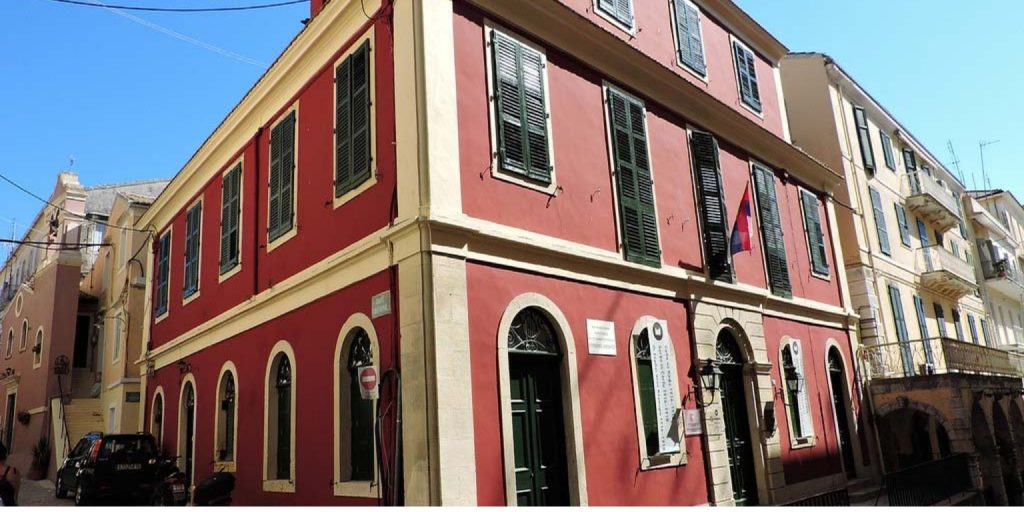
Housed at Moustoxidou Street 19 in Corfu Town, the Serbian Museum in Corfu is a compact yet impactful space. Its exhibits, though not vast, are carefully curated to convey the human tragedy and resilience of the Serbian people during their three-year stay on the island (until 1918).
Key exhibits include:
- Photographs: A large portion of the museum’s display consists of rare black-and-white photographs from the era. These compelling images capture various aspects of the Serbs’ life on Corfu: the initial arrival of emaciated soldiers, makeshift camps, hospitals set up for the sick and wounded, the training and re-equipping of the army, daily life, and even cultural activities.
- Uniforms and Military Equipment: Displays of Serbian military uniforms, arms, ammunition, and personal effects belonging to soldiers and officers offer tangible connections to the individuals who endured the ordeal.
- Regimental Flags: Original Serbian regimental flags are particularly evocative, symbolizing national pride and continuity amidst displacement.
- Ecclesiastical and Medical Items: Exhibits also feature ecclesiastical vestments and other items belonging to the Serbian priests who accompanied the army, as well as surgical tools and medical instruments used by Serbian doctors on the island of Vido, underscoring the spiritual and medical struggles.
- Documents and Decorations: Various documents, official decrees, and military decorations of the Kingdom of Serbia further enrich the historical narrative.

Vido Island and the “Blue Graveyard”
Central to the story told by the Serbian Museum in Corfu is the nearby islet of Vido (Vido Island). This small island, located just a short boat ride from Corfu Town, served as a quarantine and mass burial site for thousands of Serbian soldiers who succumbed to exhaustion, hunger, and disease upon their arrival. Due to the rocky terrain and the sheer number of fatalities, many bodies were tragically buried at sea in the waters surrounding Vido. This area became known as the “Blue Graveyard” (Plava Grobnica), immortalized in a powerful ode by Serbian poet Milutin Bojić, who was himself a survivor of the retreat.
Today, Vido Island hosts a Serbian Mausoleum and a memorial dedicated to the fallen, serving as a solemn pilgrimage site. The Serbian Museum in Corfu acts as the crucial introductory point, providing the broader historical context for the poignant memorials on Vido.
The Serbian Museum in Corfu, located at Moustoxidou Street 19, is an essential historical site that narrates a harrowing yet inspiring chapter of World War I. It stands as a powerful memorial to the resilience of the Serbian people and a testament to the compassion and enduring friendship shown by the people of Corfu. For anyone interested in military history, humanitarian stories, or the deep cultural ties between nations, a visit to Serbian Museum is highly recommended.
Corfu Treasure Hunt and Self-Guided Tour
<div class="wp-block-uagb-tabs uagb-block-a029b1f4 uagb-tabs__wrap uagb-tabs__hstyle1-desktop uag…