
In the heart of Reims, a city renowned for its majestic cathedral and world-famous Champagne houses, lies a place of profound historical significance that marks a pivotal moment in global history. The Musée de la Reddition (Museum of the Surrender) is not a grand, sprawling institution but a single, preserved room where the final chapter of World War II in Europe was written. A visit to this museum is a sobering and powerful experience, transporting visitors back to the early morning hours of May 7, 1945, when the German forces signed the act of unconditional surrender.
The Secret Headquarters of Victory
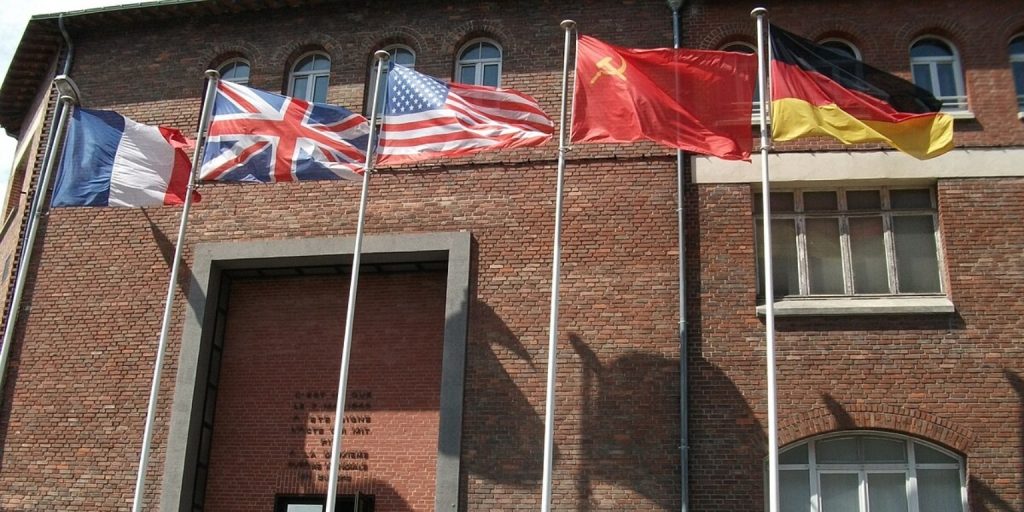
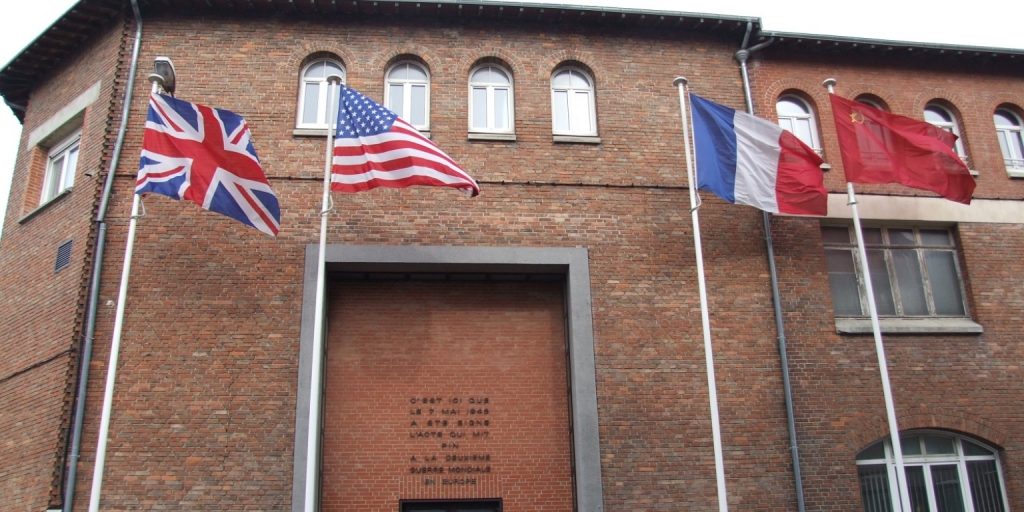
The museum is housed in what was once a technical college, a building that served as the Supreme Headquarters Allied Expeditionary Force (SHAEF) under the command of General Dwight D. Eisenhower. While the world outside was consumed by the final brutal days of the war, the secret planning for victory took place within these walls. The core of the headquarters was the “Map Room,” a modest space filled with wall-to-wall maps, military symbols, and operational charts that tracked the final collapse of the Third Reich.
It was in this very room in Musée de la Reddition, at 2:41 a.m. on May 7, 1945, that German Colonel General Alfred Jodl, acting on behalf of Grand Admiral Karl Dönitz, met with Allied representatives. The room became the stage for a moment of immense historical gravity. After weeks of fierce fighting and complex negotiations, Jodl signed the instrument of surrender, effectively ending the war on the Western and Eastern Fronts.
Preserving a Moment in Time
The brilliance of the Musée de la Reddition in Reims is its meticulous preservation of the surrender room. Visitors do not just see a reconstruction; they see the actual room where history was made. The table where the document was signed, the chairs where the generals sat, and the maps that cover the walls—all are exactly as they were on that historic morning. Glass panels now protect the room, allowing visitors to peer into this solemn space and feel the weight of the moment. One of the most striking details is the calendar on the wall, turned to May 1945, and the simple typewritten daily bulletin noting the surrender.
Beyond the “Map Room,” the museum offers a compelling narrative of the events leading up to the surrender. Exhibits display uniforms, artifacts, and personal effects of the soldiers present. Archival photographs and documents tell the story of the months preceding the capitulation, providing essential context for the final act. A short film, often shown to visitors, recounts the events in a moving and informative way, ensuring that the historical significance of the room is fully appreciated.
Two Surrenders, One End
While the signing in Reims marked the end of the war, it is important to note the historical nuance. The Soviet leader, Joseph Stalin, insisted that a more formal and final surrender be signed in Berlin, the capital of the defeated Reich. This second ceremony took place the next day, on May 8, 1945, with Field Marshal Wilhelm Keitel signing on behalf of the German High Command. This is why Western countries celebrate Victory in Europe Day on May 8, while Russia and other former Soviet nations celebrate on May 9. The act in Reims, however, remains the first, and perhaps most poignant, moment of official capitulation.
The Musée de la Reddition serves as a vital monument to peace and reconciliation, reminding visitors of the immense cost of war and the triumph of the Allied forces. As of late 2024, the museum is undergoing a major renovation and is slated to reopen in Spring 2026 with new, enhanced exhibits. This planned reopening promises to make the experience even more powerful, ensuring that the story of the end of World War II in Europe continues to be told for generations to come.