
Nestled in the historic core of Montpellier, a city with a medical school dating back over a thousand years, lies a museum unlike any other. The Musée d’Anatomie de Montpellier, officially known as the Musée et Conservatoire d’Anatomie, is a privileged witness to the evolution of medical science, offering a profound and often unsettling glimpse into the history of anatomical study. This extraordinary collection, housed within the prestigious Faculty of Medicine, stands as a testament to the city’s legacy as a cradle of medical instruction, drawing a fascinating line from medieval practices to modern understanding.
A Collection Born of Centuries of Education
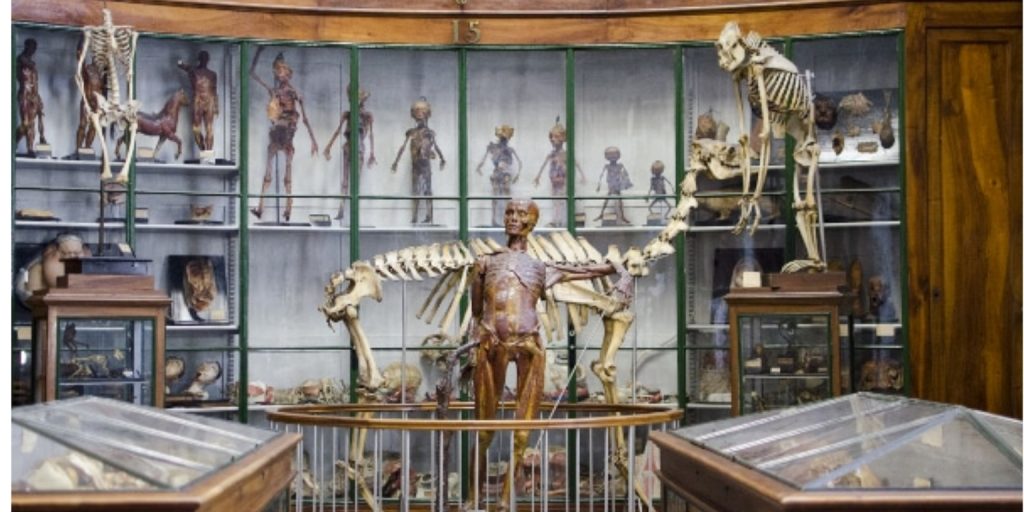
The origins of the Musée d’Anatomie are intrinsically tied to the renowned University of Montpellier, which has been continuously teaching medicine since the 13th century. Its collection, however, began to take its present form with the establishment of the Montpellier Medical School in 1795. It was assembled not for public display, but for the essential purpose of educating future doctors. In a period before advanced imaging technology, anatomical specimens were the ultimate teaching tools, and the university’s collection grew exponentially through student contributions and donations from leading physicians and surgeons.
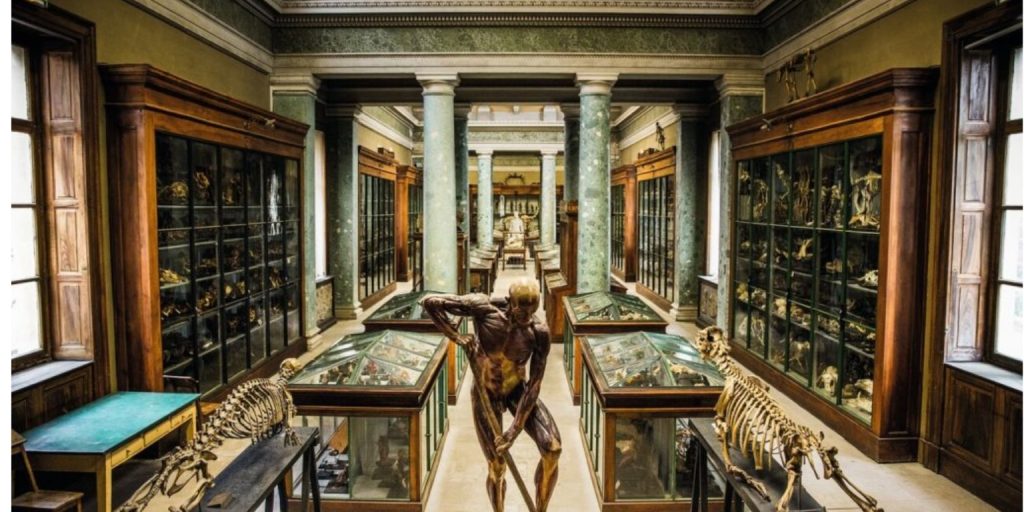
By 1852, the sheer size and importance of the collection necessitated the construction of a dedicated space. A magnificent gallery, designed by architect Pierre-Charles Abric, was built to house the specimens. This impressive, column-lined hall, with its portraits of legendary physicians and allegorical paintings, is a work of art in itself and provides a solemn and majestic backdrop for the exhibits. In 2004, the entire collection was rightfully classified as a historic monument, securing its place as an invaluable piece of cultural heritage.
A Compelling and Unique Collection
The exhibits at the Musée d’Anatomie are both vast and unique. With over 13,000 items, it is one of the largest anatomical collections in France. The displays cover a wide range of human and comparative anatomy, offering a meticulous, and sometimes visceral, look at the human body and its pathologies.
Visitors can explore a stunning array of items, including:
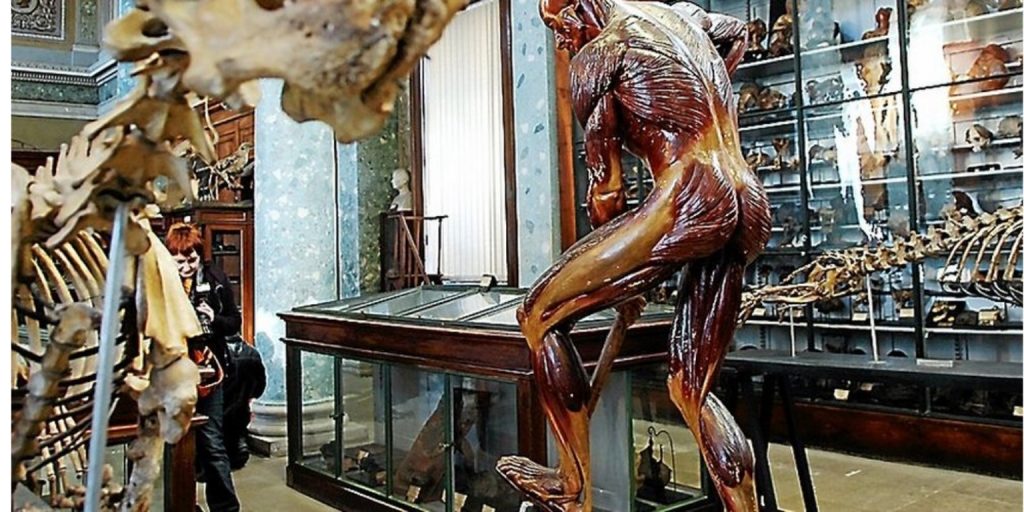
- Anatomical Preparations: A vast collection of preserved dissections and skeletal preparations that were once essential for students learning about human physiology.
- Wax and Plaster Casts: Beautifully crafted models of organs, body parts, and pathological conditions. The collection includes exceptional pieces by the famous Florentine modeler Felice Fontana, which are renowned for their intricate detail and lifelike accuracy.
- Historical Instruments: A fascinating assortment of surgical and orthopedic equipment from centuries past, showing the evolution of medical technology from crude tools to more refined instruments.
- Comparative Anatomy: A diverse collection of animal skeletons and preserved specimens, used to teach students about the biological similarities and differences across species.
- Pathological Specimens: A powerful series of exhibits on human pathologies and genetic abnormalities, which served as a crucial visual aid for understanding diseases and congenital conditions.
Essential Visitor Information
It is important for potential visitors to note that the Musée d’Anatomie de Montpellier is not a museum that you can visit on a whim. Due to its status as a working university facility, it is exclusively accessible through guided tours organized by the Montpellier Tourist Office. These tours provide not only access to the museum but also a deeper understanding of the entire historic Faculty of Medicine building, where figures like Rabelais and Nostradamus once studied.
Furthermore, please be aware that the museum is currently undergoing major renovation work to ensure the preservation of its irreplaceable collections. The latest information indicates that a reopening date will be announced in due course. While a full visit may not be possible, a selection of its collections may be on display in a dedicated space. Regardless, the guided tours of the historic Faculty of Medicine building are still a highlight and provide an excellent context for the museum’s role in the city.
In short, the Musée d’Anatomie de Montpellier in Montpellier is a hallowed space that offers a truly unforgettable look into the past. It is a must-see for anyone with an interest in the history of medicine, anatomy, or the unique cultural heritage of this ancient city.