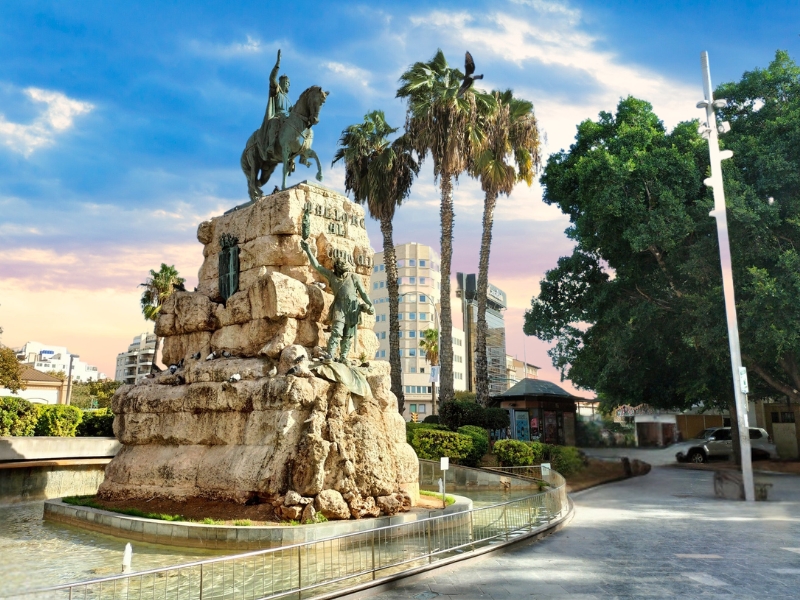
Plaça d’Espanya in Palma: King Jaume I and the Sóller Train
Plaça d’Espanya in Palma: the 1927 statue of Jaume I, the old city gate, the Sóller train station and the square renovated in 2024. Checked October 2026.
Plaça d’Espanya in Palma: the 1927 statue of Jaume I, the old city gate, the Sóller train station and the square renovated in 2024. Checked October 2026.

The Sóller train from Palma: the 1912 narrow-gauge line built on orange money, its wooden carriages, 13 tunnels and the tram to the port. Checked October 2026.
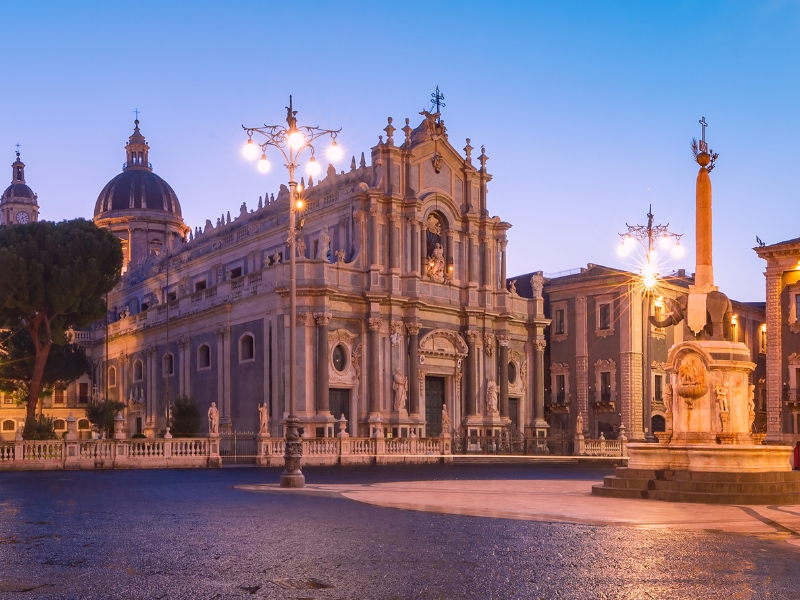
Fun facts about Catania: u Liotru the lava-stone elephant, the Roman amphitheatre under Piazza Stesicoro, the 1669 lava flow and what to eat. Checked October 2026.
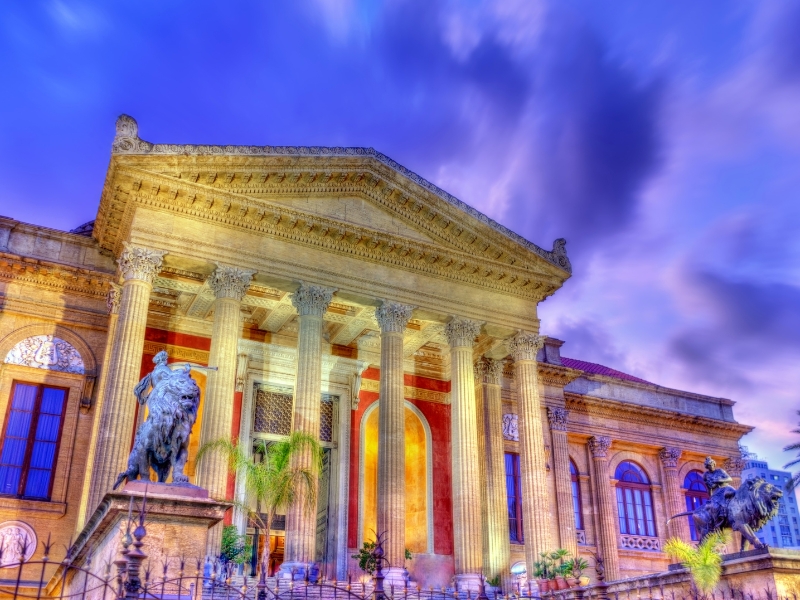
Located in the vibrant city of Palermo, Teatro Massimo is one of Italy’s most renowned opera houses and one of
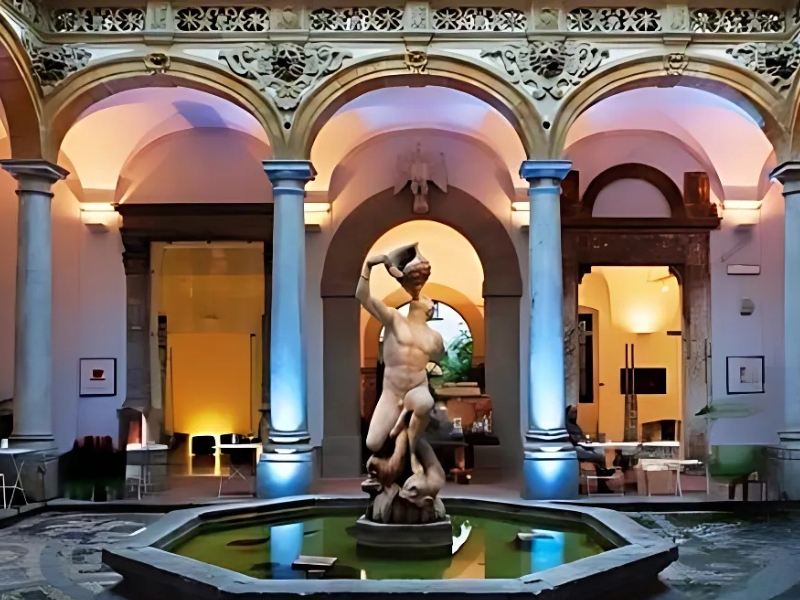
Located in Palermo, the Antonio Salinas Museum (Museo Archeologico Regionale Antonio Salinas) is a hidden gem for lovers of history,
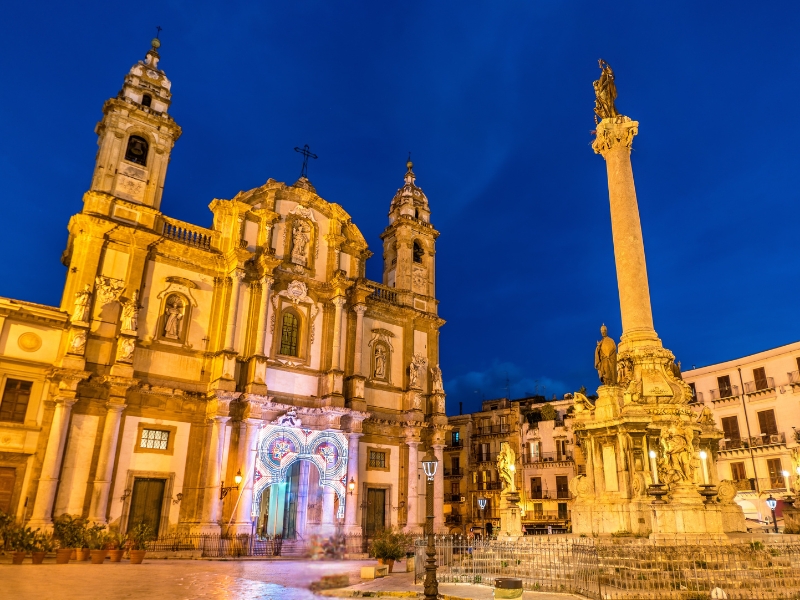
San Domenico in Palermo: the Dominican church that is Sicily’s pantheon, with Giovanni Falcone’s tomb, a Gothic cloister and a 1726 facade. Checked October 2026.
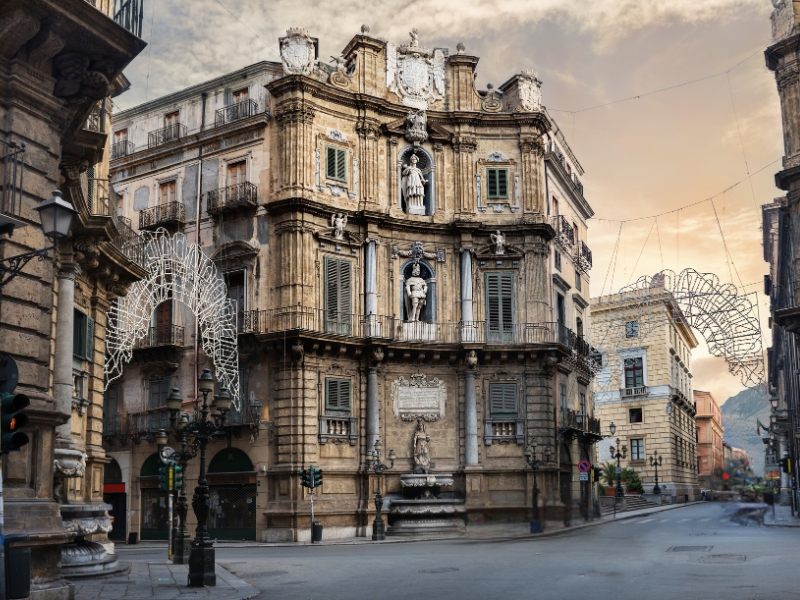
Quattro Canti in Palermo: four Baroque corners from 1608 with seasons, Spanish kings and patron saints, and why it is the Theatre of the Sun. Checked October 2026.

Fontana Pretoria in Palermo: carved in Florence, shipped in 644 pieces in 1574, the Square of Shame nickname and the legend of the noses. Checked October 2026.

The Saint Mary of the Admiral (Chiesa di Santa Maria dell’Ammiraglio) is a remarkable example of the Arab-Norman architectural style,

The Chiesa del Gesù in Palermo: Sicily’s first Jesuit church, its inlaid marmi mischi, the 1943 bombing and the restoration that saved it. Checked October 2026.

Palermo Cathedral: the column with a Quran verse, the tombs of Roger II and Frederick II, a 21-metre sun line and Santa Rosalia’s chapel. Checked October 2026.
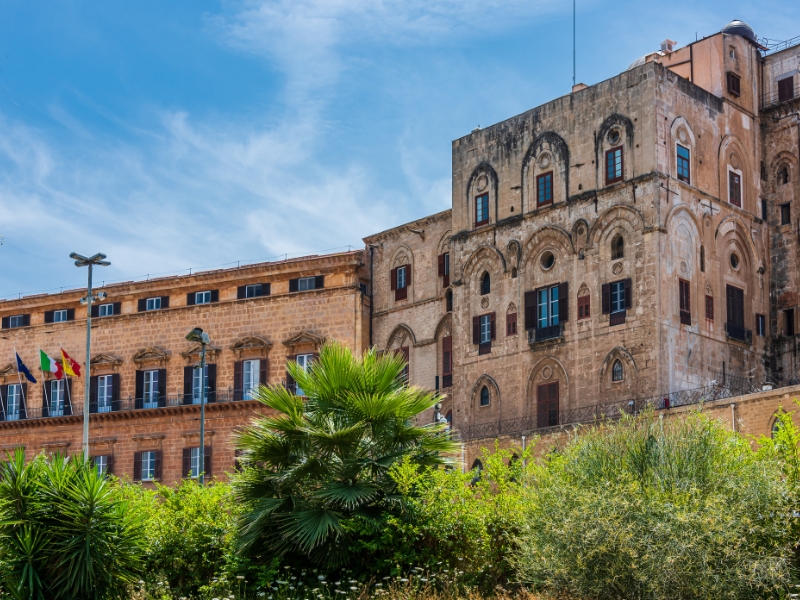
Palermo’s Norman Palace: the Palatine Chapel’s gold mosaics and Arab wooden ceiling, King Roger’s Room and Sicily’s parliament today. Checked October 2026.
