Palma old town walk: La Seu, Sa Feixina and 4 more sights
Palma on foot: Santa Eulàlia, Ramon Llull’s tomb at Sant Francesc, Monti-sion, Gaudí’s work in La Seu, La Llotja and Sa Feixina. Checked October 2026.
Palma on foot: Santa Eulàlia, Ramon Llull’s tomb at Sant Francesc, Monti-sion, Gaudí’s work in La Seu, La Llotja and Sa Feixina. Checked October 2026.
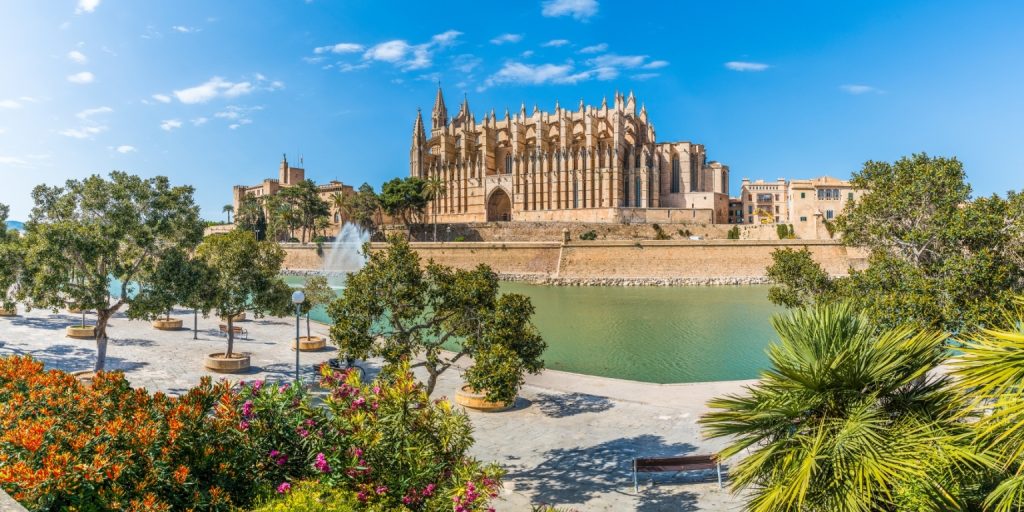
Palma, the vibrant capital of Mallorca, where stunning Mediterranean landscapes meet rich history and captivating culture, offers an idyllic and
Palma de Mallorca, a city where sun-kissed beaches meet historical grandeur, offers a captivating blend of experiences for families. But
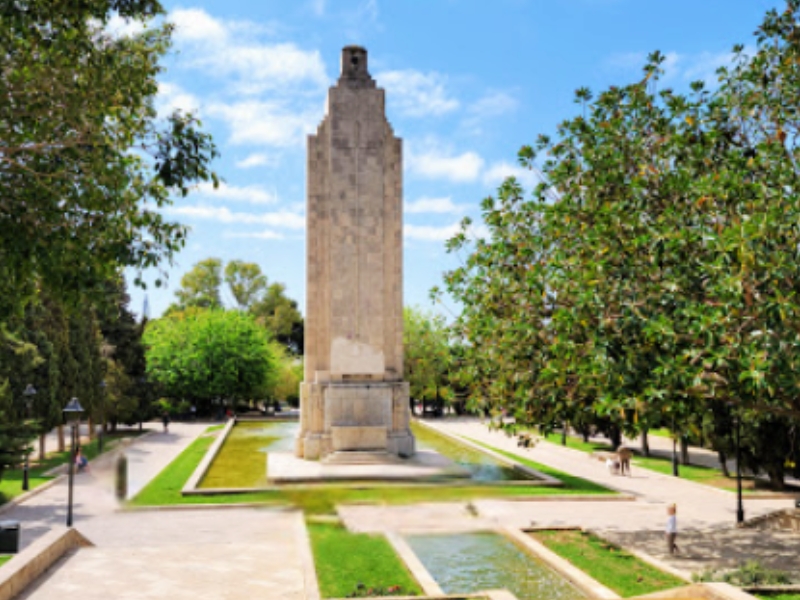
Tucked away between the lively Santa Catalina district and the historic heart of Palma de Mallorca, Parc de Sa Feixina
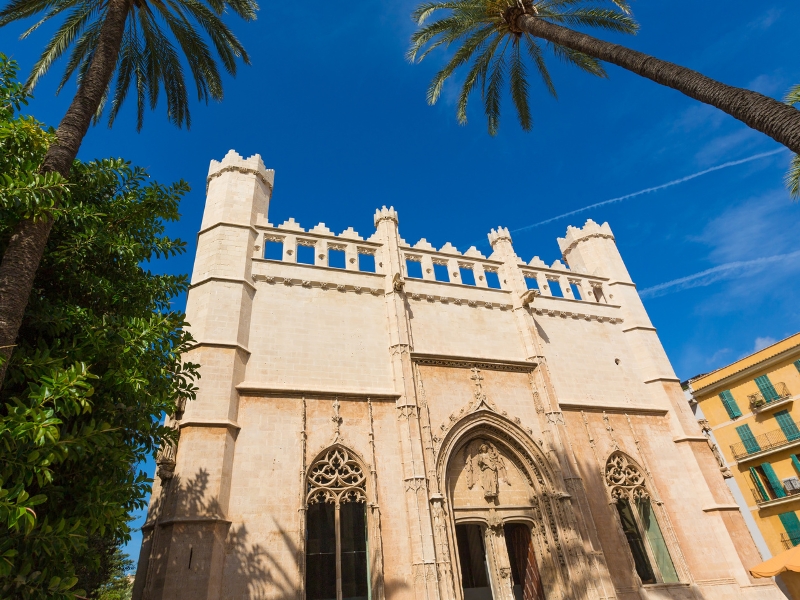
La Llotja in Palma de Mallorca: Guillem Sagrera’s six spiral columns, the guardian angel of trade, the merchants’ story and what is nearby. Checked October 2026.
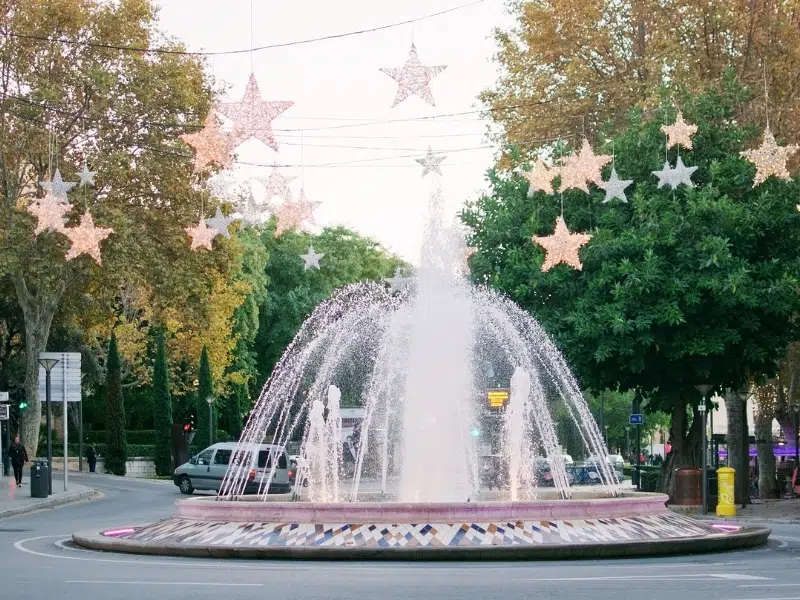
Plaça de la Reina in Palma: the square at the foot of the Born, its 2016 tiled fountain and Isabel II’s marble statue, smashed in 1868. Checked October 2026.

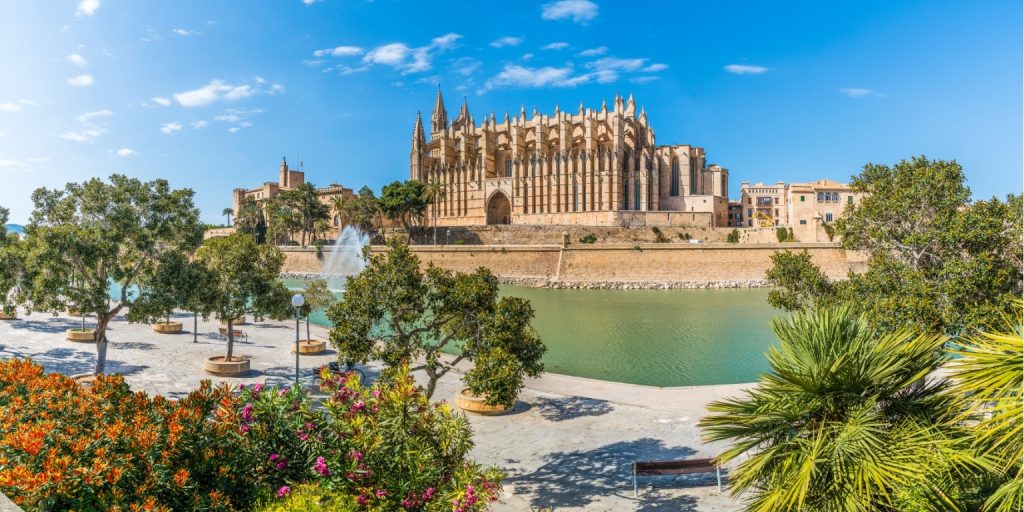
Palma Cathedral (La Seu) in Mallorca: a Gothic church on a mosque site, Gaudí’s canopy, Barceló’s ceramic chapel and the double rose of light. Checked October 2026.
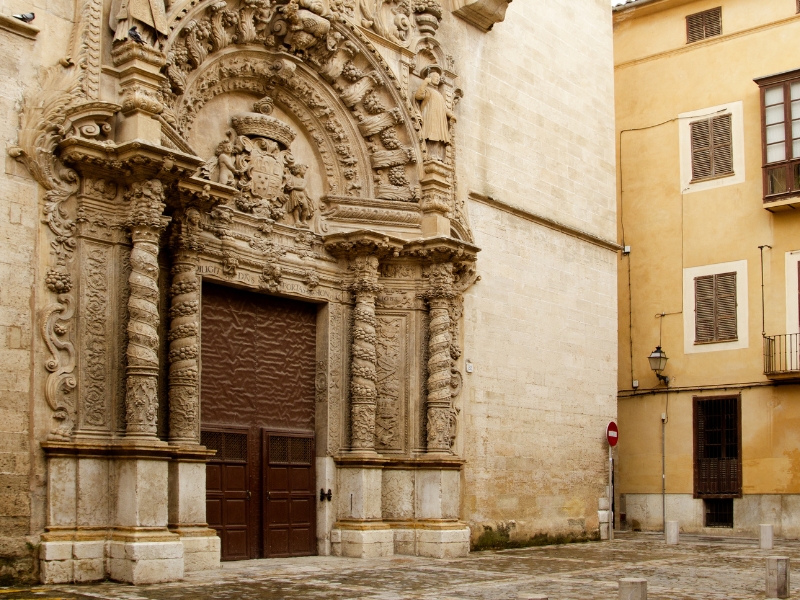
Mount Zion Church, or Iglesia de Monte Sión, is a historic and often overlooked gem in the heart of Palma

Basílica de Sant Francesc in Palma: the Franciscan church begun in 1281, with Ramon Llull’s alabaster tomb and a Gothic cloister. Checked October 2026.
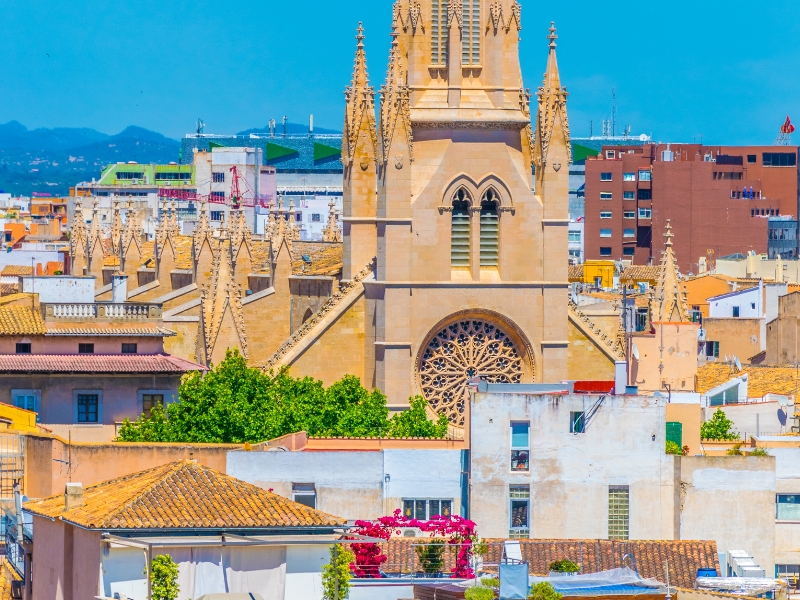
Santa Eulàlia in Palma: the 13th-century Gothic church where Jaume II was crowned, the 1435 baptism of Palma’s Jews and its 1903 tower. Checked October 2026.

Plaça Major in Palma: the arcaded yellow square built from 1825 where the Inquisition had its seat, craft markets and planned redevelopment. Checked October 2026.
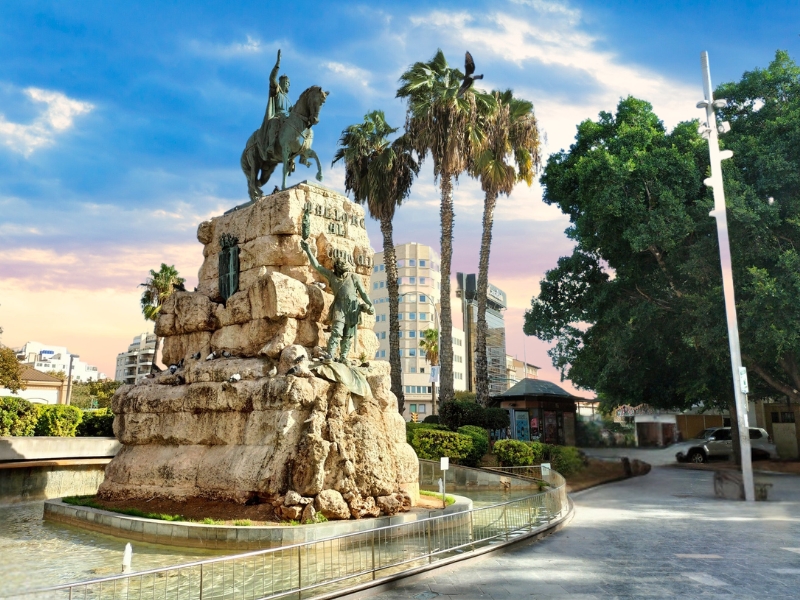
Plaça d’Espanya in Palma: the 1927 statue of Jaume I, the old city gate, the Sóller train station and the square renovated in 2024. Checked October 2026.
