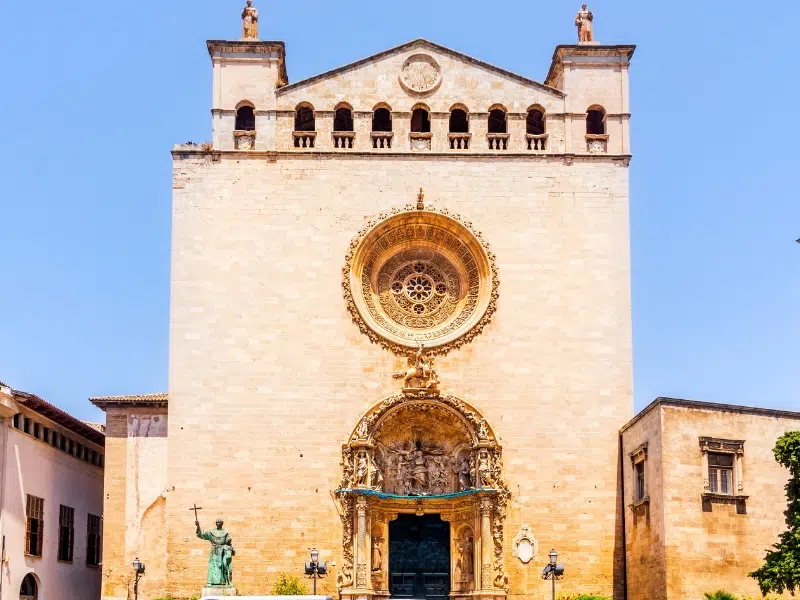
Sant Francesc in Palma: Ramon Llull’s Tomb and a Gothic Cloister
Basílica de Sant Francesc in Palma: the Franciscan church begun in 1281, with Ramon Llull’s alabaster tomb and a Gothic cloister. Checked October 2026.
Basílica de Sant Francesc in Palma: the Franciscan church begun in 1281, with Ramon Llull’s alabaster tomb and a Gothic cloister. Checked October 2026.
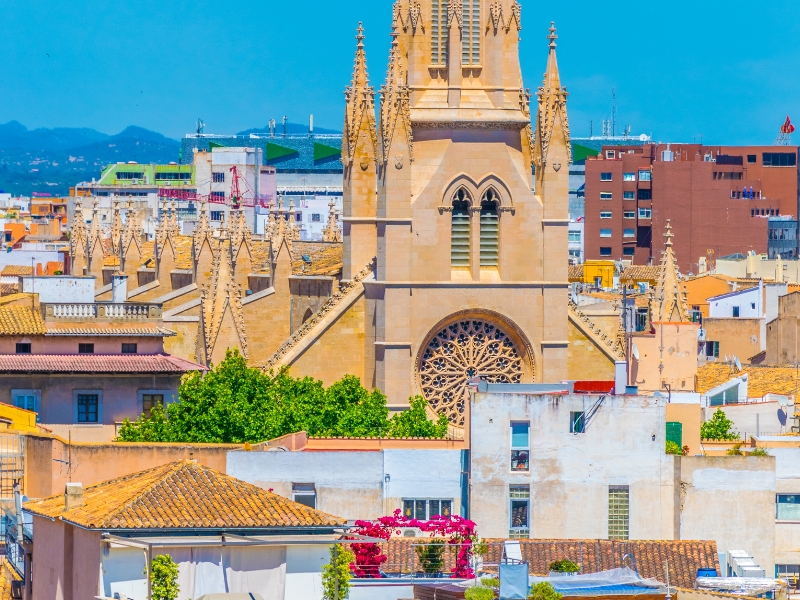
Santa Eulàlia in Palma: the 13th-century Gothic church where Jaume II was crowned, the 1435 baptism of Palma’s Jews and its 1903 tower. Checked October 2026.
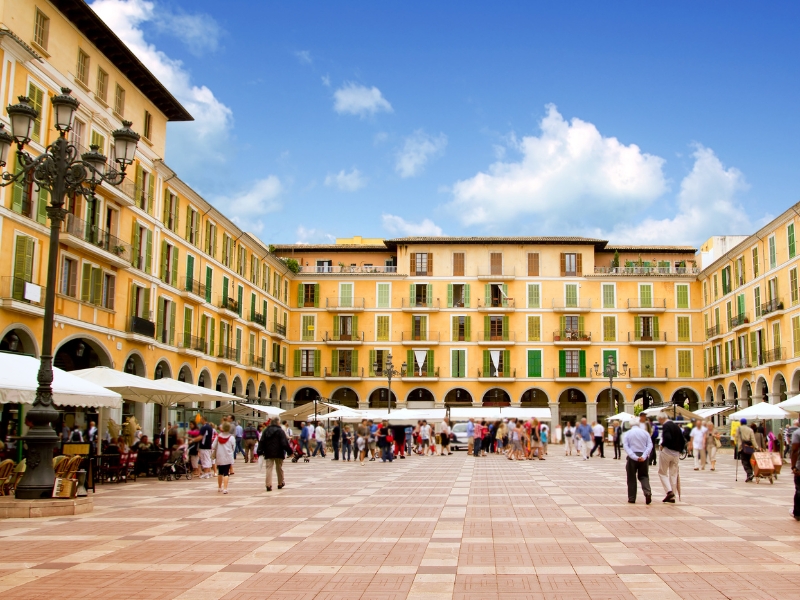
Plaça Major in Palma: the arcaded yellow square built from 1825 where the Inquisition had its seat, craft markets and planned redevelopment. Checked October 2026.
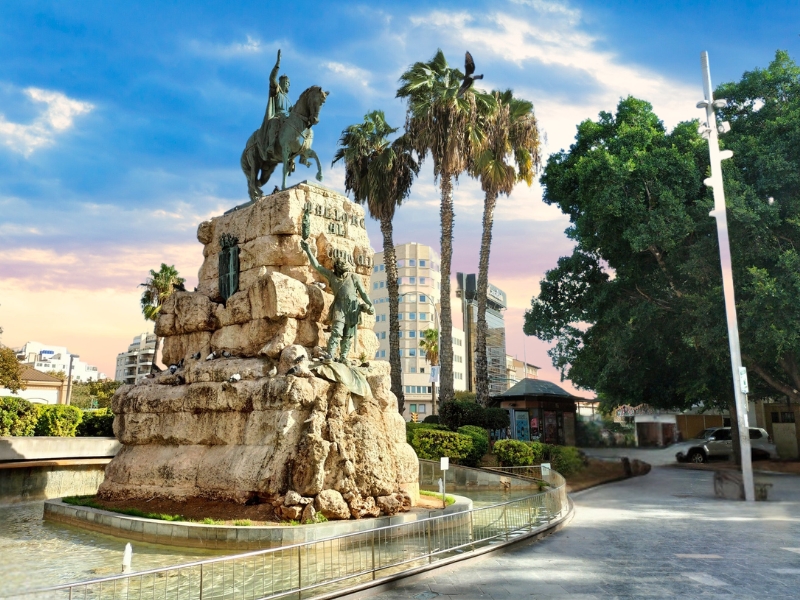
Plaça d’Espanya in Palma: the 1927 statue of Jaume I, the old city gate, the Sóller train station and the square renovated in 2024. Checked October 2026.

The Sóller train from Palma: the 1912 narrow-gauge line built on orange money, its wooden carriages, 13 tunnels and the tram to the port. Checked October 2026.
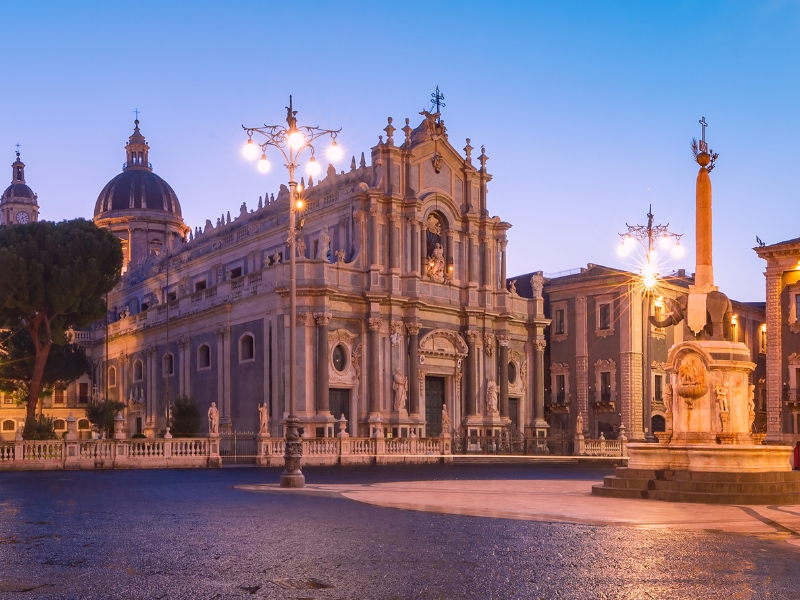
Fun facts about Catania: u Liotru the lava-stone elephant, the Roman amphitheatre under Piazza Stesicoro, the 1669 lava flow and what to eat. Checked October 2026.
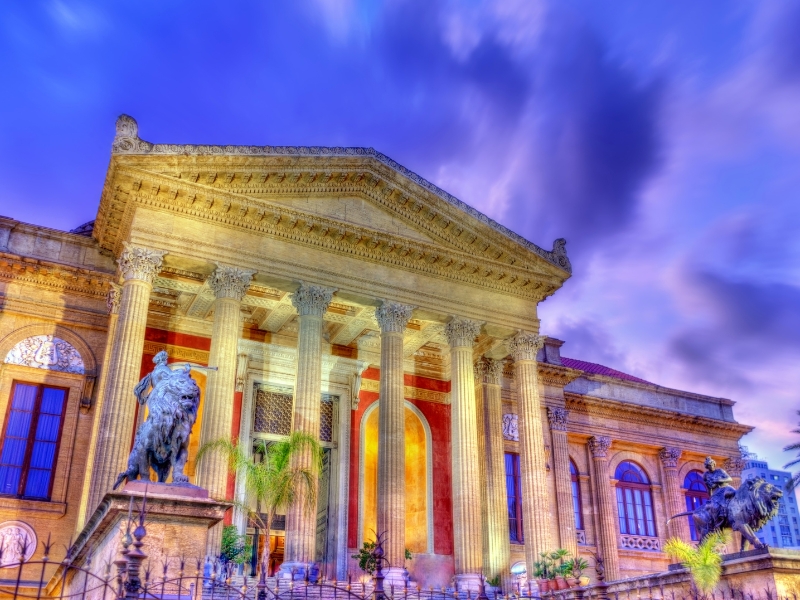
Located in the vibrant city of Palermo, Teatro Massimo is one of Italy’s most renowned opera houses and one of
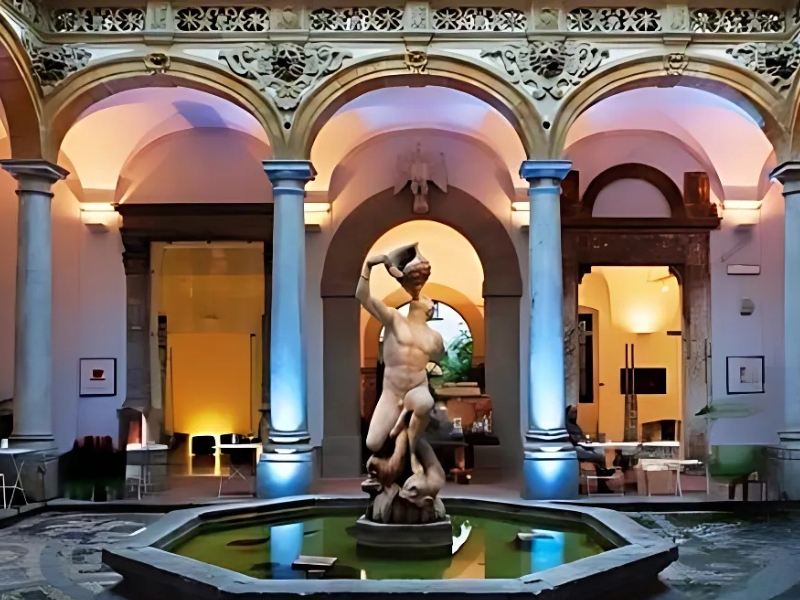
Located in Palermo, the Antonio Salinas Museum (Museo Archeologico Regionale Antonio Salinas) is a hidden gem for lovers of history,
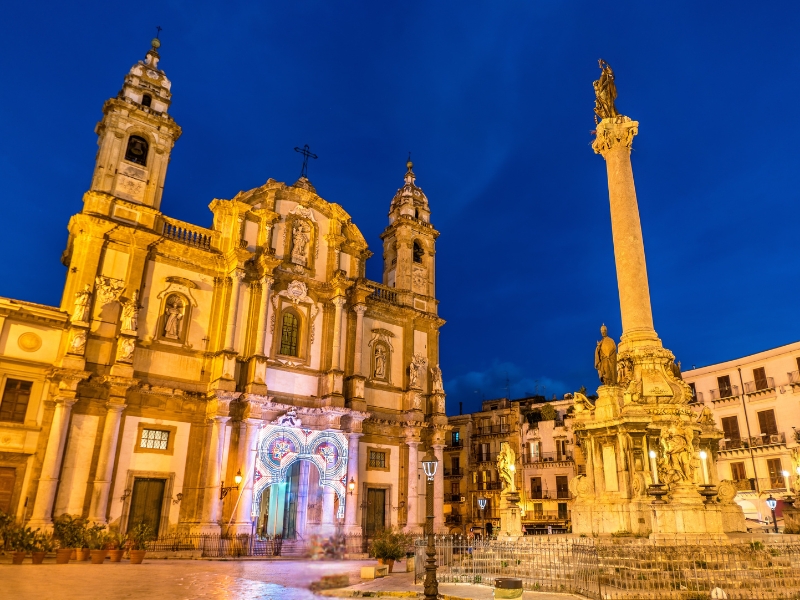
San Domenico in Palermo: the Dominican church that is Sicily’s pantheon, with Giovanni Falcone’s tomb, a Gothic cloister and a 1726 facade. Checked October 2026.
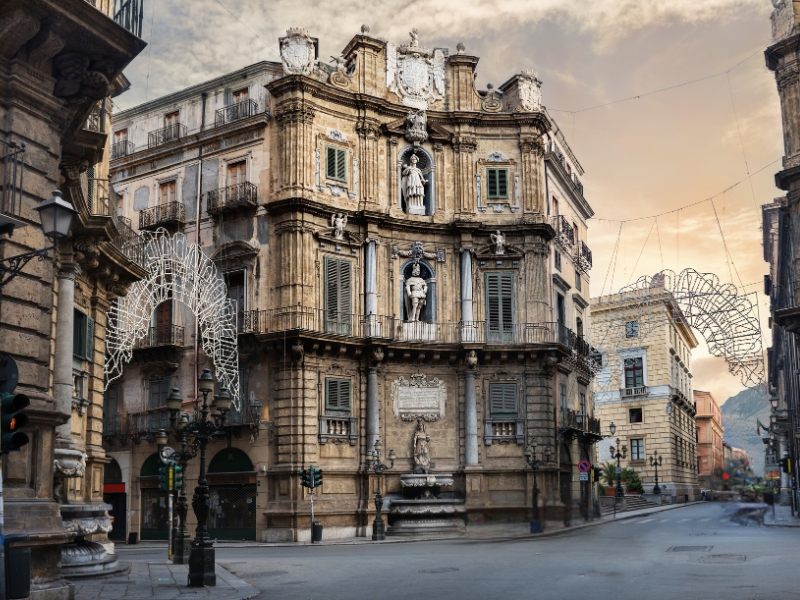
Quattro Canti in Palermo: four Baroque corners from 1608 with seasons, Spanish kings and patron saints, and why it is the Theatre of the Sun. Checked October 2026.
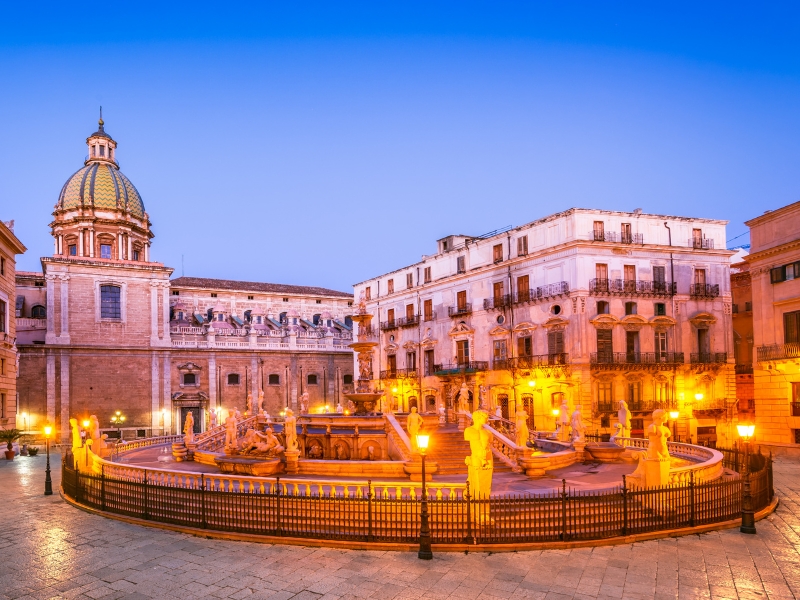
Fontana Pretoria in Palermo: carved in Florence, shipped in 644 pieces in 1574, the Square of Shame nickname and the legend of the noses. Checked October 2026.

The Saint Mary of the Admiral (Chiesa di Santa Maria dell’Ammiraglio) is a remarkable example of the Arab-Norman architectural style,