
Table of Contents
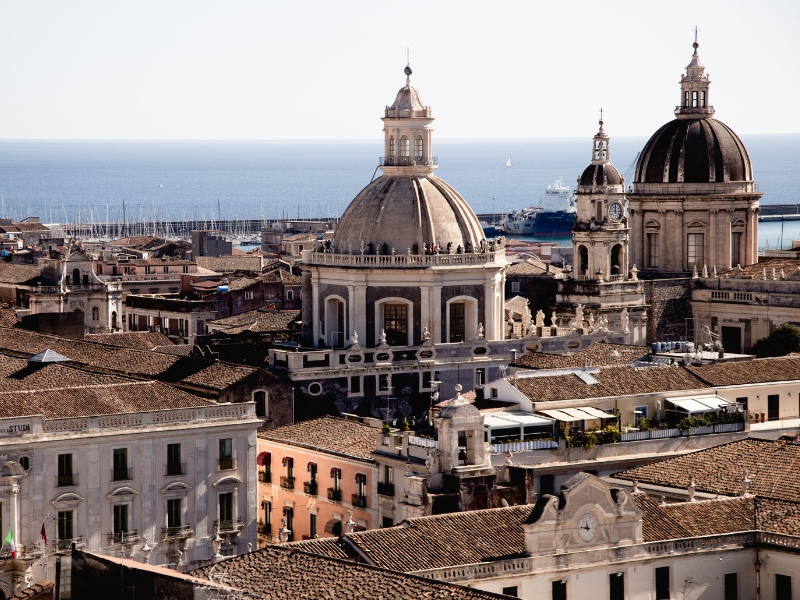
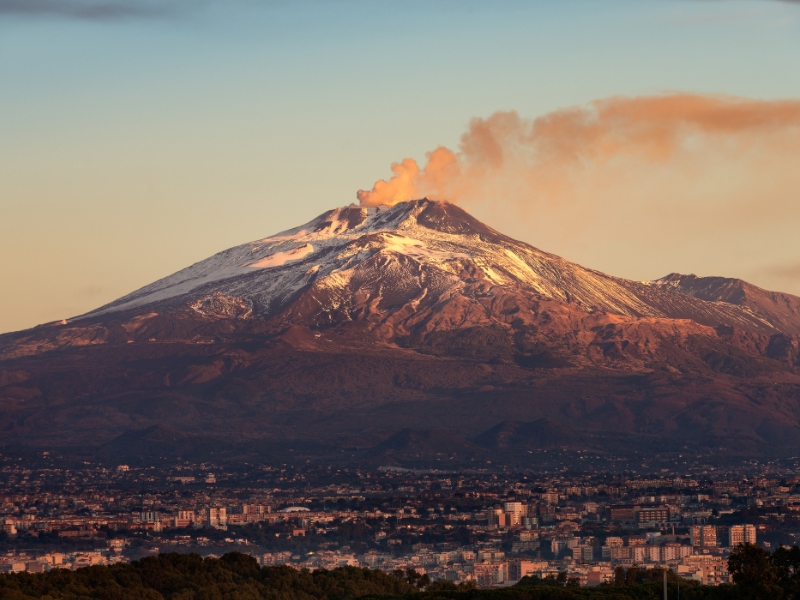
Catania, nestled on the eastern coast of Sicily, Italy, is a captivating city that boasts a rich blend of history, architecture, vibrant local culture, and volcanic energy. Dominated by the majestic Mount Etna, Europe’s most active volcano, Catania is a city of resilience, rebirth, and creativity.
Key Features of Catania
- Mount Etna: Looming over the city, Mount Etna is both a protector and a destroyer. Its fertile volcanic soil has supported Catania’s agriculture for centuries, but its eruptions have shaped the city’s history. Guided tours to the volcano provide thrilling hikes and unforgettable panoramic views.
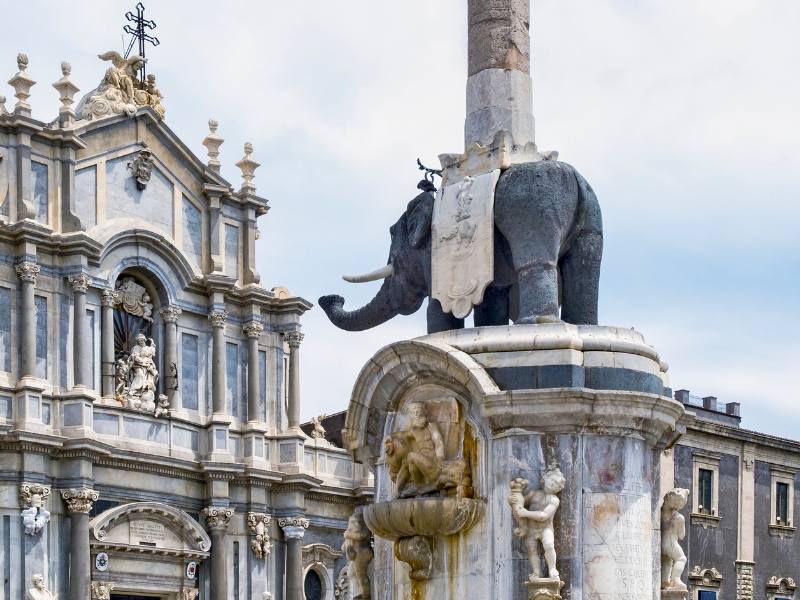
- Piazza del Duomo: The beating heart of Catania, this UNESCO-listed square is home to the Catania Cathedral, the Elephant Fountain (symbol of the city), and lively cafes.
- Via Etnea: Catania’s main street offers a vibrant mix of baroque architecture, shops, restaurants, and a direct view of Mount Etna in the background.
- Teatro Romano: An ancient Roman amphitheater built in the 2nd century AD, it showcases Catania’s long-standing role as a cultural hub in antiquity.
- La Pescheria Market: A bustling fish market filled with colorful sights, sounds, and smells, where locals and tourists alike come to experience authentic Sicilian life.
Fun Facts About Catania
- Black Lava Everywhere: Catania’s unique appearance owes much to Mount Etna. After repeated volcanic eruptions, much of the city’s streets and buildings were rebuilt using black lava stone, earning it the nickname “The Black City.”
- Catania’s Resilience: Over the centuries, Catania has been destroyed and rebuilt multiple times due to earthquakes and volcanic eruptions, with the most devastating events occurring in 1669 and 1693. Its ability to rise from the ashes reflects the resilience of its people.
- Home of Vincenzo Bellini: Catania is the birthplace of the famous composer Vincenzo Bellini, known for operas like Norma and La Sonnambula. The Teatro Massimo Bellini, a stunning opera house, is named in his honor.
- Elephant Symbol: The city’s mascot is an elephant, locally known as “Liotru.” Legend has it that an ancient magician turned the elephant into a protective guardian of Catania, and today, the Fontana dell’Elefante in Piazza del Duomo celebrates this symbol.
- Baroque Capital: After the 1693 earthquake, Catania was rebuilt in Sicilian Baroque style, giving the city its distinctive architectural charm, recognized as a UNESCO World Heritage Site.
- Almond Granita Origins: The refreshing almond-flavored granita, served with a warm brioche, is a beloved Catania specialty, and locals claim the city perfected this Sicilian treat.
- Underground City: Beneath the modern city lies an underground network of Roman ruins, including ancient roads, amphitheaters, and even rivers that once flowed through Catania.
- City of Contrasts: Catania seamlessly blends ancient history with modern life. From Roman ruins to bustling markets like La Pescheria and trendy cafes, the city offers an eclectic mix of old and new.
- Etna’s Fertile Fields: The volcanic soil from Mount Etna has made the surrounding area incredibly fertile. Catania is famous for its citrus groves, vineyards, and produce, which thrive thanks to this nutrient-rich land.
- Basilica della Collegiata’s: This Baroque masterpiece is not only admired for its ornate facade but also for its lesser-known interior artwork, which pays homage to the city’s devotion to the Virgin Mary and its resilience through natural disasters.
Local Legends About Catania
- Saint Agatha’s Protection: Saint Agatha, the city’s patron saint, is said to protect Catania from the fury of Mount Etna. The annual Festival of Saint Agatha is a grand, three-day celebration filled with religious processions, fireworks, and local traditions, drawing thousands of pilgrims.
- The Elephant of Catania: According to legend, the elephant statue in Piazza del Duomo holds magical powers, protecting the city from natural disasters. Some even believe touching the elephant brings good luck.
- Mount Etna’s Mythical Forge: In Greek mythology, Mount Etna was believed to be the forge of Hephaestus (Vulcan), the god of fire, who created weapons for the gods beneath the volcano.
What About the History of Catania?
Greek Beginnings and Roman Glory
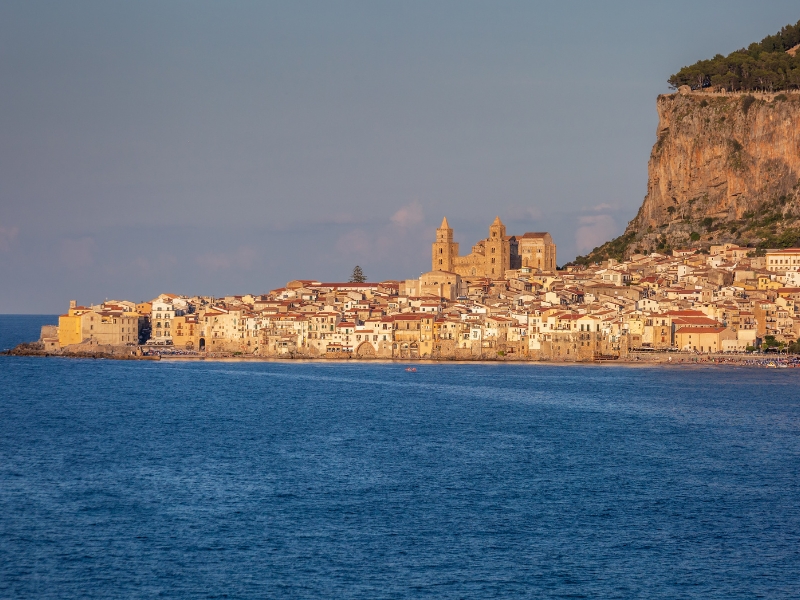
Catania was founded by Greek settlers in the 8th century BC, strategically located along Sicily’s eastern coast for trade and military advantage. Under Roman rule, the city flourished as a key cultural and political center, with grand structures like the Roman Amphitheater and Greek-Roman Theatre.
Volcanic Challenges and Baroque Revival
Catania’s proximity to Mount Etna has shaped its destiny, bringing both destruction and renewal. The 1669 eruption of Mount Etna buried parts of the city in lava, while the catastrophic earthquake of 1693 destroyed much of its infrastructure. However, the city’s rebuilding in the Sicilian Baroque style led to a cultural and architectural renaissance.
Modern Resilience
Today, Catania stands as a vibrant cultural and economic hub. Its thriving markets, like La Pescheria, highlight the city’s deep-rooted traditions, while bustling university life adds youthful energy. The city has embraced its volcanic identity, with black lava stone shaping not only its buildings but also its resilience.
Must-Try Food in Catania

- Arancini: These golden, crispy rice balls filled with meat ragu, cheese, or spinach are a staple of Sicilian cuisine.
- Pasta alla Norma: A classic dish of pasta with eggplant, tomatoes, ricotta salata, and basil, named after Vincenzo Bellini’s famous opera.
- Granita e Brioche: Almond or lemon granita served with a soft brioche bun is the ultimate Catanian breakfast.
- Cannoli: Sicily’s iconic dessert features a crisp pastry shell filled with sweet ricotta cream and often garnished with pistachios or chocolate.
- Seafood Specialties: From fresh swordfish to calamari, Catania’s coastal location ensures a feast of the freshest seafood.
Must-Visit Attractions in Catania
Roman Amphitheater of Catania: Nestled in Piazza Stesicoro, this ancient amphitheater once hosted grand gladiatorial games and dramatic performances. The Roman Amphitheater of Catania, partially excavated, reveals its magnificent arches and tiered seating.
Piazza Stesicoro: A bustling square at the heart of Catania, Piazza Stesicoro is a lively blend of history and modernity. Home to the Roman Amphitheater ruins and surrounded by shops and cafes, it serves as a vibrant meeting point for locals and visitors alike.
Via Etnea: Catania’s main street, Via Etnea, stretches from Piazza Duomo to the foothills of Mount Etna. Lined with Baroque architecture, boutique stores, and charming piazzas, it offers stunning views of the volcano and a perfect route for a leisurely stroll.
Piazza Università: An elegant square framed by Baroque university buildings, Piazza Università is a serene and picturesque spot. By night, the square’s illuminated facades create a magical atmosphere, making it a favorite for both locals and visitors.
Teatro Massimo Bellini: This stunning 19th-century opera house honors Vincenzo Bellini, Catania’s renowned composer. Teatro Massimo Bellini is famed for its exquisite interiors and world-class acoustics, making it a must-visit destination for music and architecture lovers.
Basilica Cattedrale di Sant’Agata: Located in Piazza Duomo, this majestic cathedral is dedicated to Saint Agatha, the city’s patron saint. Its ornate Baroque facade and grand interiors house relics of the saint, attracting pilgrims and history enthusiasts alike.
Fontana dell’Elefante (‘u Liotru): This quirky black lava elephant fountain is Catania’s beloved symbol. Designed by Giovanni Battista Vaccarini, the statue combines ancient and Baroque elements, embodying the city’s rich history and playful spirit.
Porta Uzeda: A striking Baroque gateway in Piazza Duomo, Porta Uzeda connects the square to Catania’s port area. The gateway is an architectural marvel, adorned with intricate details and a testament to the city’s grandeur.
Ursino Castle: Built by Emperor Frederick II in the 13th century, this imposing medieval fortress once protected Catania from invaders. Now housing a museum, Ursino Castle showcases the city’s history through fascinating artifacts and exhibitions.
Greek-Roman Theatre: Hidden within Catania’s historic core, this well-preserved ancient theater dates back to the 2nd century BC. The Greek-Roman Theatre features tiered seating, a semicircular stage, and an adjacent Odeon.
This walking tour will take you through the heart of Catania, allowing you to experience the fun facts about Catania’s rich history, stunning architecture, and cultural significance.

Explore Catania with World City Trail
Embark on an unforgettable journey through the vibrant and historic city of Catania with World City Trail. This interactive walking tour combines exploration, entertainment, and the rich heritage of Catania into a unique and captivating experience.
Key Features:
- Interactive Gameplay: Solve engaging puzzles and challenges as you navigate Catania’s lively streets and iconic landmarks, making your exploration both fun and educational.
- Iconic Landmarks: Visit famous sites like Piazza del Duomo, the Fontana dell’Elefante, and the Roman Amphitheater, while taking in the breathtaking views of Mount Etna.
- Hidden Gems and Fun Facts About Catania: Discover Catania’s lesser-known treasures, such as the underground Roman ruins, local food markets like La Pescheria, and charming baroque streets like Via Crociferi.
- Flexibility: Explore at your own pace, tailoring your itinerary to match your interests. Dive deep into Catania’s history, culture, and cuisine while enjoying the best the city has to offer.
Whether you’re interested in art, history, or just exploring Catania’s hidden corners, World City Trail offers a personalized and interactive way to experience the city like never before.