Chiesa del Gesù in Palermo: Inlaid Marble and a Rebuilt Dome
The Chiesa del Gesù in Palermo: Sicily’s first Jesuit church, its inlaid marmi mischi, the 1943 bombing and the restoration that saved it. Checked October 2026.
The Chiesa del Gesù in Palermo: Sicily’s first Jesuit church, its inlaid marmi mischi, the 1943 bombing and the restoration that saved it. Checked October 2026.
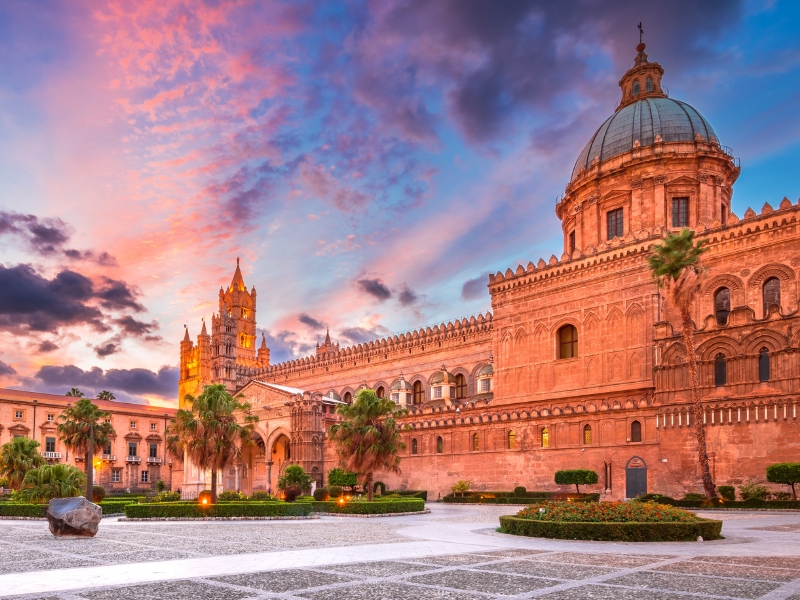
Palermo Cathedral: the column with a Quran verse, the tombs of Roger II and Frederick II, a 21-metre sun line and Santa Rosalia’s chapel. Checked October 2026.
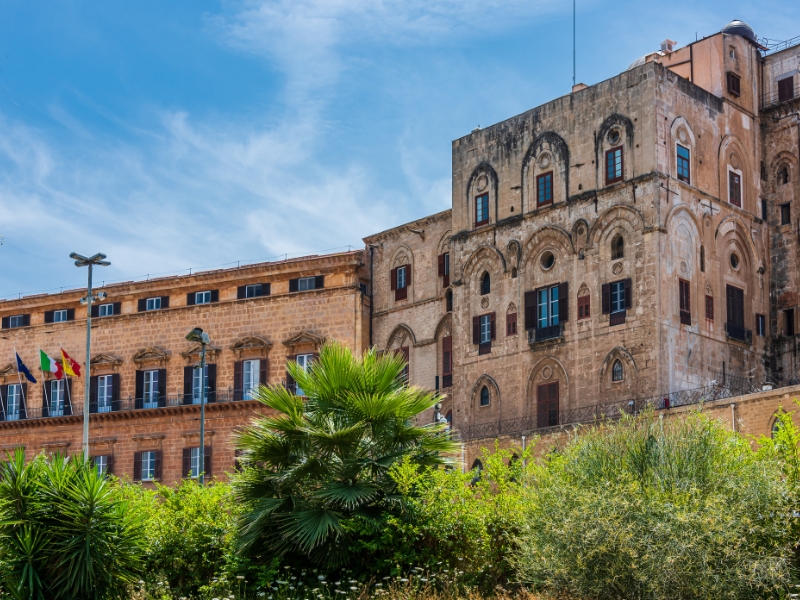
Palermo’s Norman Palace: the Palatine Chapel’s gold mosaics and Arab wooden ceiling, King Roger’s Room and Sicily’s parliament today. Checked October 2026.

Located within the Palazzo Reale (Royal Palace) in Palermo, the Cappella Palatina is an extraordinary chapel renowned for its breathtaking
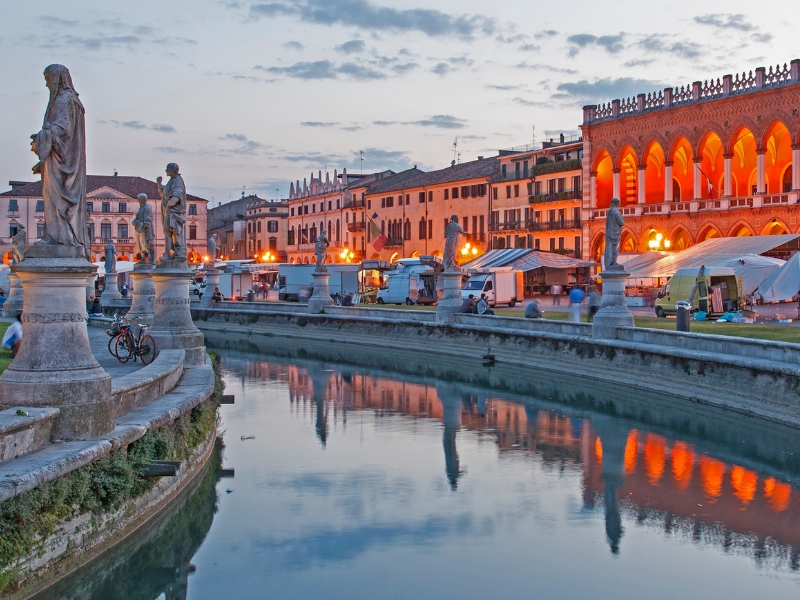
Prato della Valle in Padua: 78 statues round a canal island, the Roman theatre beneath it, Andrea Memmo’s plan and the two empty pedestals. Checked October 2026.
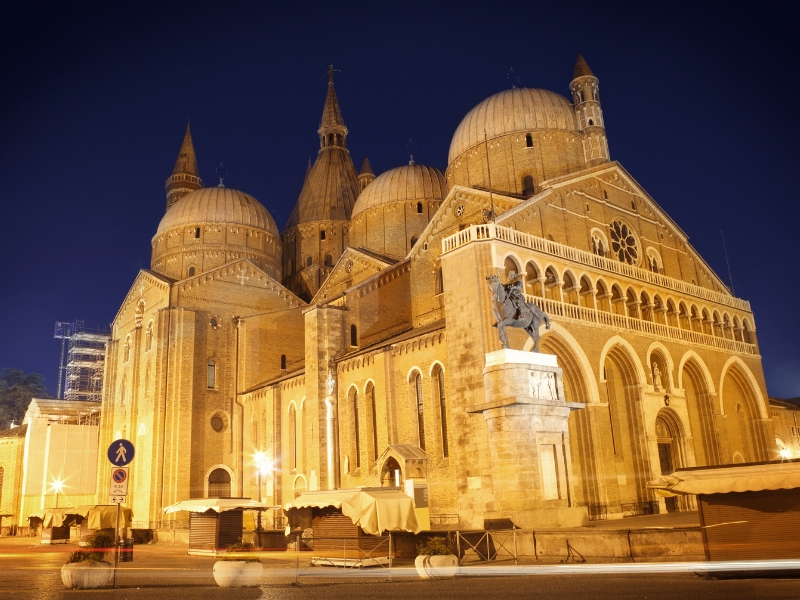
The Basilica of Saint Anthony in Padua: the tomb pilgrims touch, Donatello’s bronzes, the saint’s tongue in the Treasury Chapel. Checked October 2026.
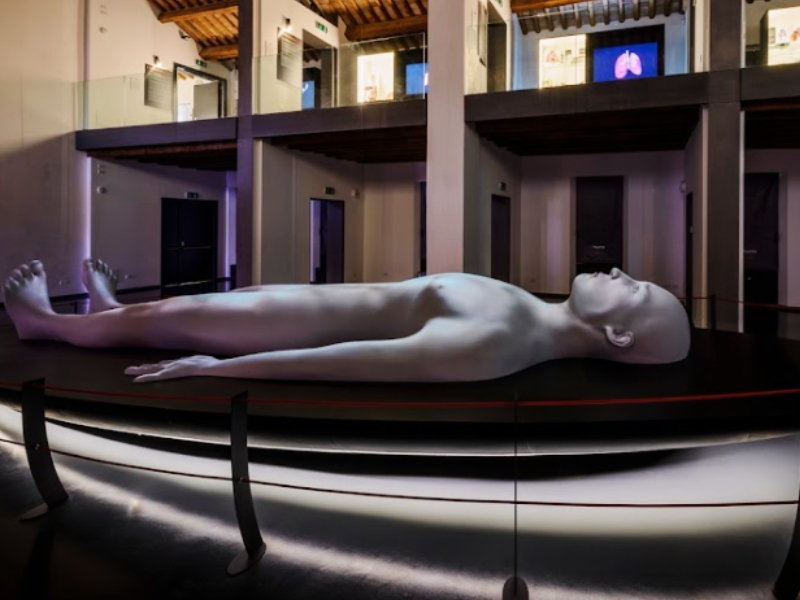
MUSME, or the Museum of the History of Medicine in Padua, is an extraordinary destination that combines history, science, and
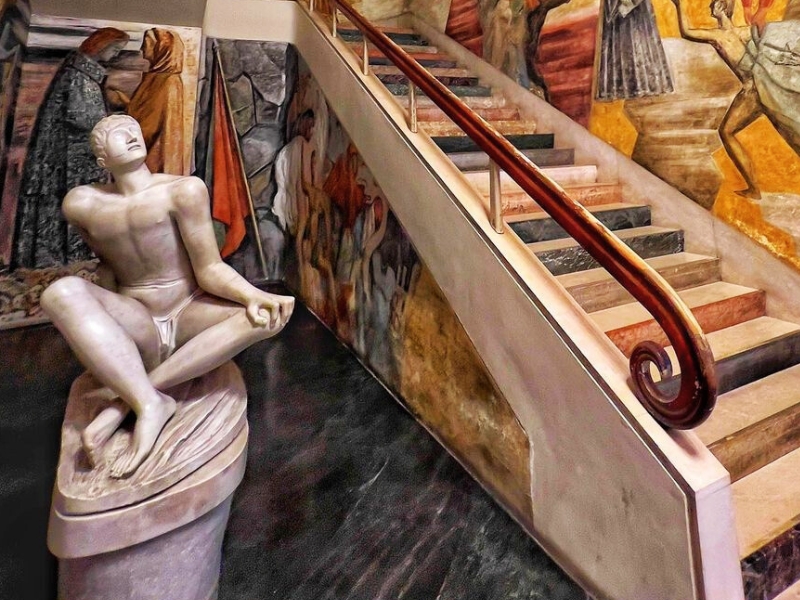
Padua University’s Palazzo Bo: Galileo’s lectern, the 1594 anatomical theatre, the first woman graduate and the laurel wreath tradition. Checked October 2026.
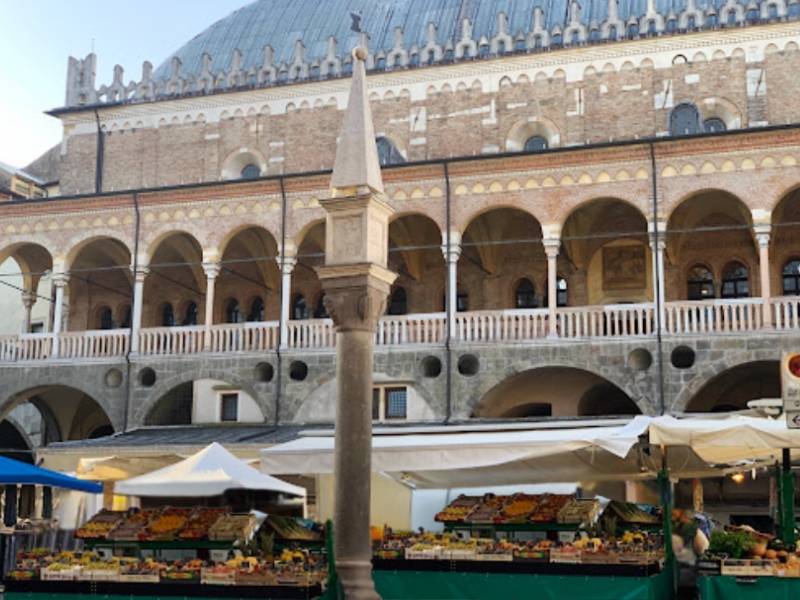
Piazza della Frutta in Padua: the morning market, the shops under the Salone and the medieval hall above, with frescoes and a stone of shame. Checked October 2026.
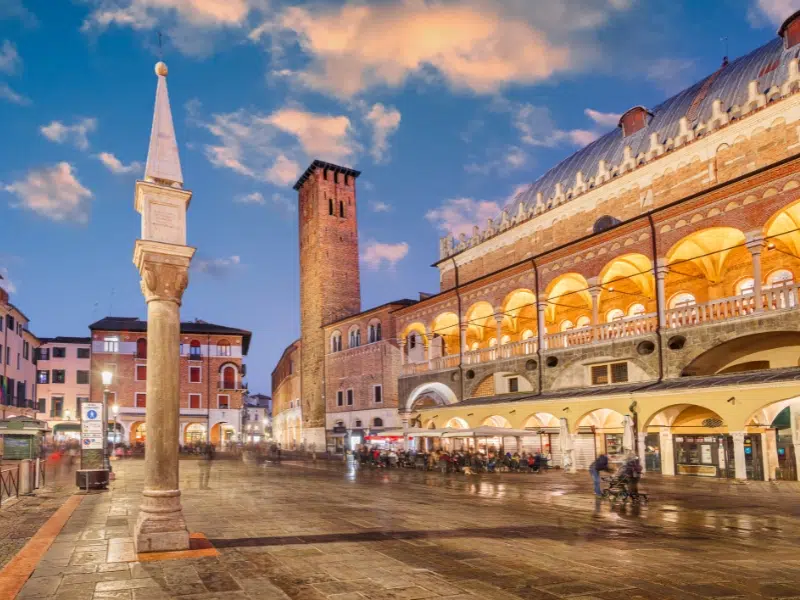
Ragione Palace, or Palazzo della Ragione, is one of Padua’s most iconic landmarks, renowned for its architectural grandeur, historical significance,

Padua Cathedral, or Cattedrale di Santa Maria Assunta, stands as one of the most important and historically rich religious buildings
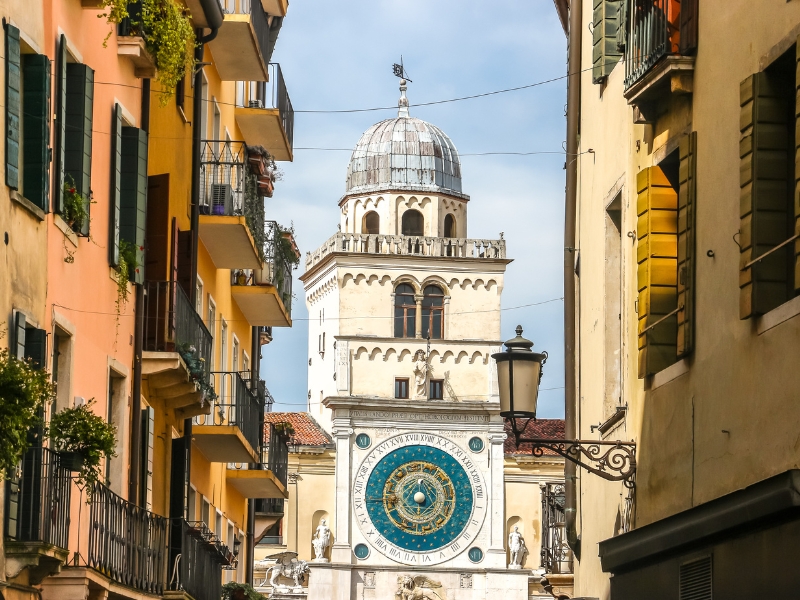
Piazza dei Signori in Padua: the Carrara-era square of tournaments, the astronomical clock without Libra, the Marciana column and spritz hour. Checked October 2026.