

Table of Contents
Padua Cathedral, or Cattedrale di Santa Maria Assunta, stands as one of the most important and historically rich religious buildings in the city of Padua, Italy. With its long history and impressive architectural features, the cathedral is a must-visit destination for anyone interested in the spiritual and cultural heritage of this ancient city. Situated in the heart of Padua, the cathedral serves not only as a religious center but also as a symbol of the city’s medieval roots and its connection to both faith and art.
Historical Significance
Padua Cathedral was originally constructed in the 11th century, making it a key site in the history of the city. Its creation was part of a broader movement in Italy to strengthen Christian faith after the fall of the Roman Empire. Over the centuries, the cathedral has undergone several renovations and expansions, each contributing to its current grandeur.
One of the most significant events in the history of the Padua Cathedral is its association with the Basilica of Saint Anthony of Padua. While not directly linked to the basilica itself, the cathedral has shared in the city’s deep religious significance and the legacy of Saint Anthony, one of the most beloved saints in Catholic tradition. It has long served as the seat of the Archbishop of Padua, making it a central point for religious affairs in the region.
Architectural Beauty
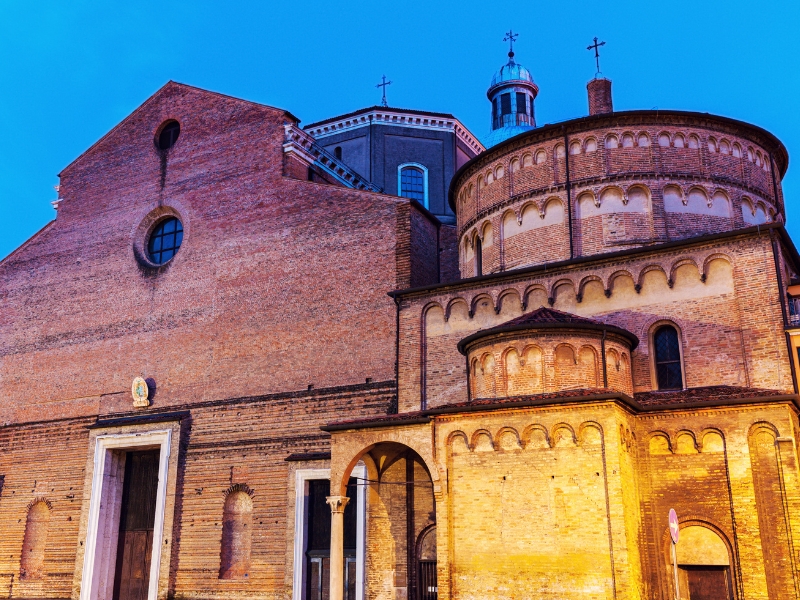
Padua Cathedral combines various architectural styles, reflecting the various periods of construction and renovation it has undergone. The building is primarily in the Romanesque style, with elements of the Renaissance and Baroque periods incorporated into later modifications. The cathedral’s exterior is simple yet elegant, with a clean, symmetrical façade that draws attention to its massive doors and prominent bell tower.
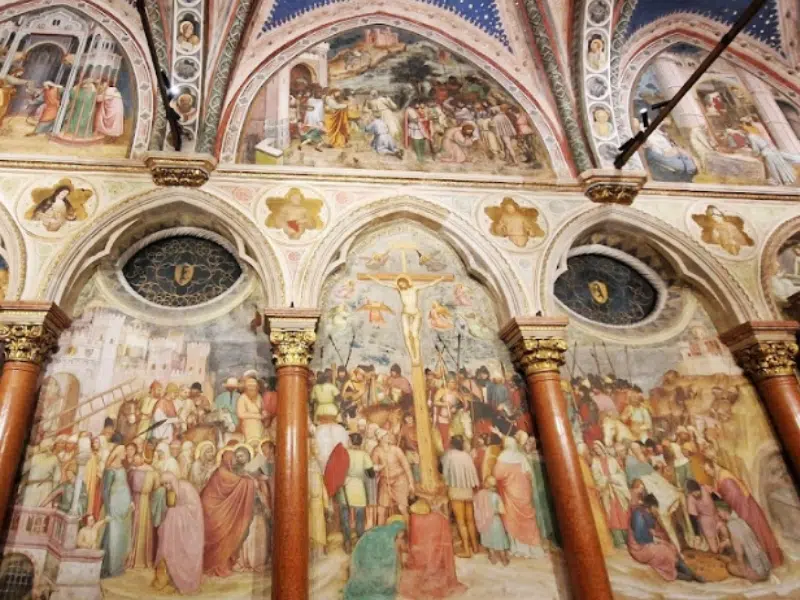
Inside, the cathedral’s design offers a breathtaking experience. The main altar is surrounded by impressive columns and intricate decorations, with frescoes, sculptures, and altars reflecting the various periods of artistic development in Italy. One of the most striking features of the interior is the frescoed ceiling, which depicts scenes from the life of Christ and the Virgin Mary. These frescoes were created by famous artists, adding to the cathedral’s artistic legacy.
The cathedral also houses several important works of art, including the Baptismal Font, which is intricately designed and has great historical significance. The cathedral’s interior is designed to create a sense of awe and reverence, with high vaulted ceilings that draw the eye upward, creating a sense of spiritual elevation and connection with the divine.
The Chapel of Saint James
One of the most treasured parts of Padua Cathedral is the Chapel of Saint James (Cappella di San Giacomo). This small, intimate chapel is dedicated to Saint James the Apostle and is known for its stunning Renaissance frescoes and the beautiful tomb of the saint. The chapel is a quiet and reflective space, offering visitors an opportunity to connect with the cathedral’s rich religious history and appreciate its artistic masterpieces.
The Crypt
Beneath the cathedral lies the crypt, a space that is both sacred and atmospheric. The crypt houses the remains of several important religious figures, and it is a place where visitors can pay their respects and contemplate the city’s religious heritage. The crypt also features several historical relics and artifacts, providing a tangible connection to the centuries of history that the cathedral has witnessed.
Cultural and Spiritual Hub
Beyond its architectural and historical significance, Padua Cathedral continues to serve as an active place of worship. The cathedral hosts regular Mass services and religious celebrations, attracting both locals and pilgrims from around the world. It plays a central role in the spiritual life of Padua, providing a sanctuary for prayer, reflection, and community gatherings.
The cathedral also serves as a cultural hub, offering visitors not only a chance to explore religious art and architecture but also an opportunity to experience the city’s deep connection to its faith. During special religious events and feast days, the cathedral becomes a center for celebration and pilgrimage, drawing thousands of people from Italy and beyond.
Padua Cathedral is part of Padua scavenger hunt and walking tour!
Embark on an unforgettable journey through the enchanting city of Padua with World City Trail. Our interactive walking tour combines the thrill of exploration with the rich history and culture of this beautiful city.
Key Features:
Interactive gameplay: Solve engaging puzzles and challenges as you explore the city.
Hidden gems: Uncover lesser-known spots.
Cultural insights: Learn about the city’s fascinating history.
Flexibility: Explore at your own pace and create your own itinerary.
Family friendly activity and a great way to explore the city!
Further reading on Wikipedia: Padua