
Wappen der Partnerstädte: A Mosaic of International Friendship
The Wappen der Partnerstädte (Coats of Arms of Partner Cities) is a unique and fascinating display located in Freiburg im
The Wappen der Partnerstädte (Coats of Arms of Partner Cities) is a unique and fascinating display located in Freiburg im
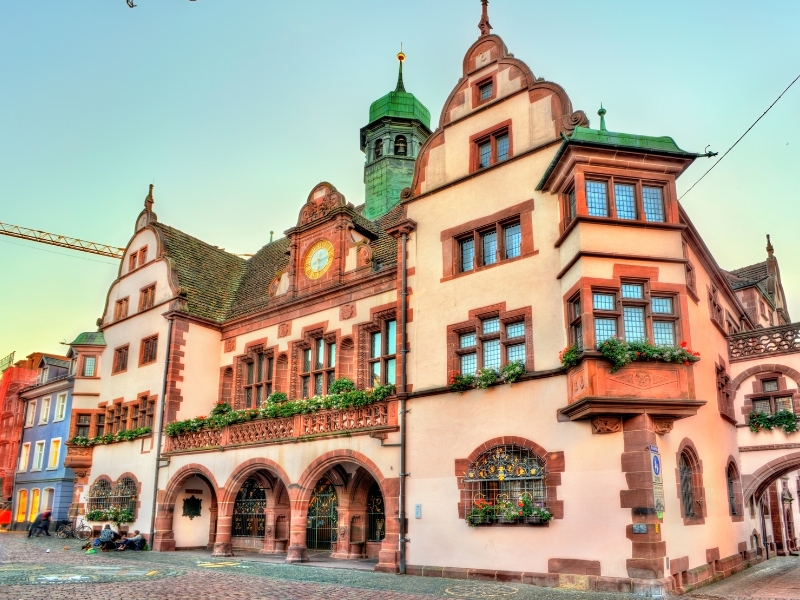
Freiburg’s Neues Rathaus: 16th-century houses used by the university for 300 years, the Academia doorway and the bridge to the Old Town Hall. Checked October 2026.
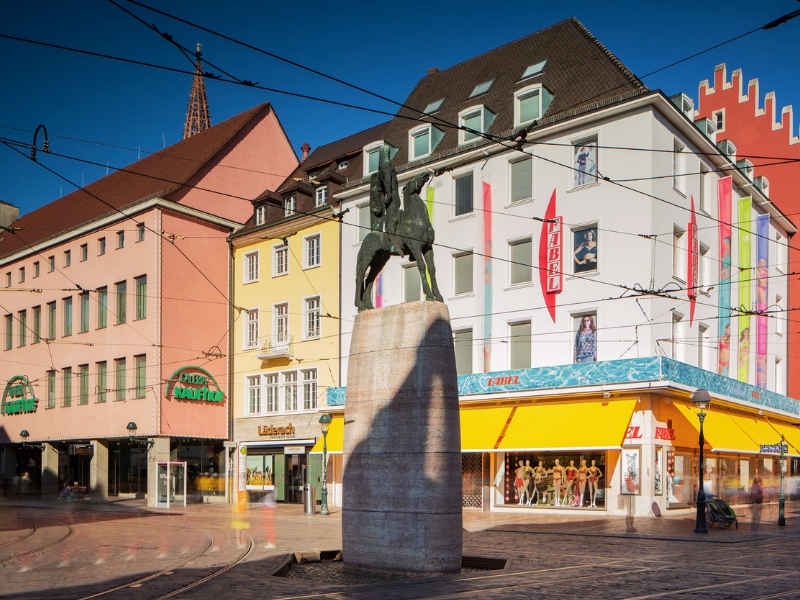
The Bertoldsbrunnen in Freiburg: the 1807 fountain lost in 1944, Röslmeir’s 1965 bronze rider, the Zähringen dukes and why everyone meets here. Checked October 2026.

The Markthalle in Freiburg: since 1987 a food hall in an old newspaper printing works, with Baden Schäufele, world food and a glass roof. Checked October 2026.

Freiburg Minster: the 116-metre spire finished around 1330, the mooning gargoyle, the bread measures by the portal and the 1258 Hosanna bell. Checked October 2026.

Freiburg’s Historisches Kaufhaus on Münsterplatz: the red 1520s merchants’ hall with four Habsburg statues and its Kaisersaal. Checked October 2026.
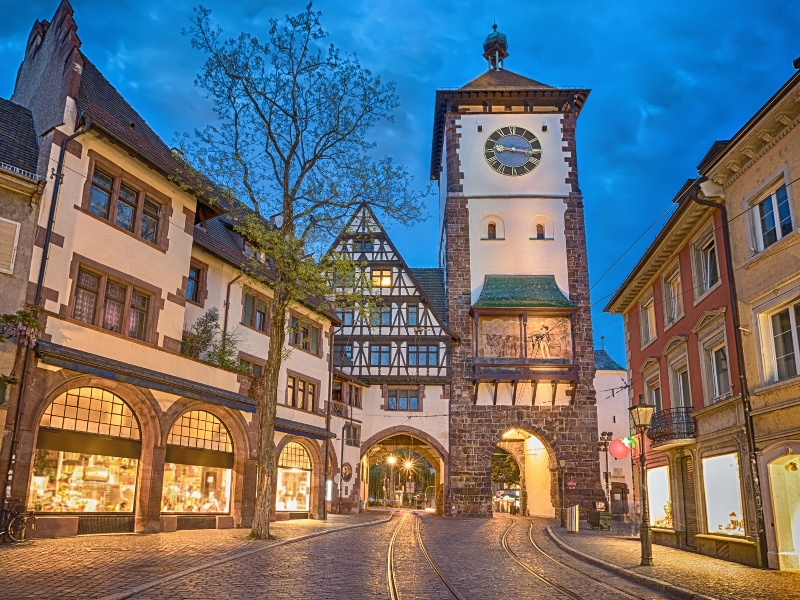
The Schwabentor in Freiburg: the 13th-century gate with St George, a Romanesque thorn-puller, a tin-figure museum and the Swabian legend. Checked October 2026.
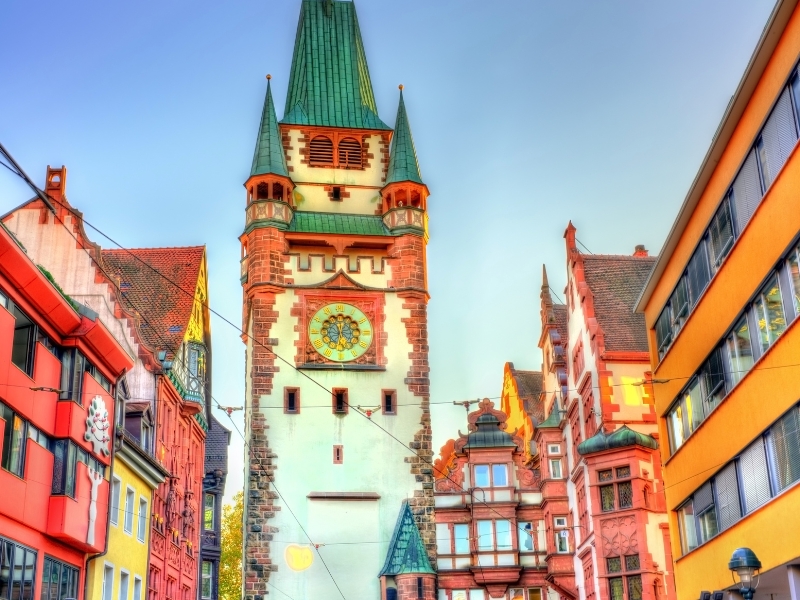
Martin’s Gate (Martinstor) is a prominent historical landmark in Freiburg im Breisgau, Germany. This iconic gate, dating back to the
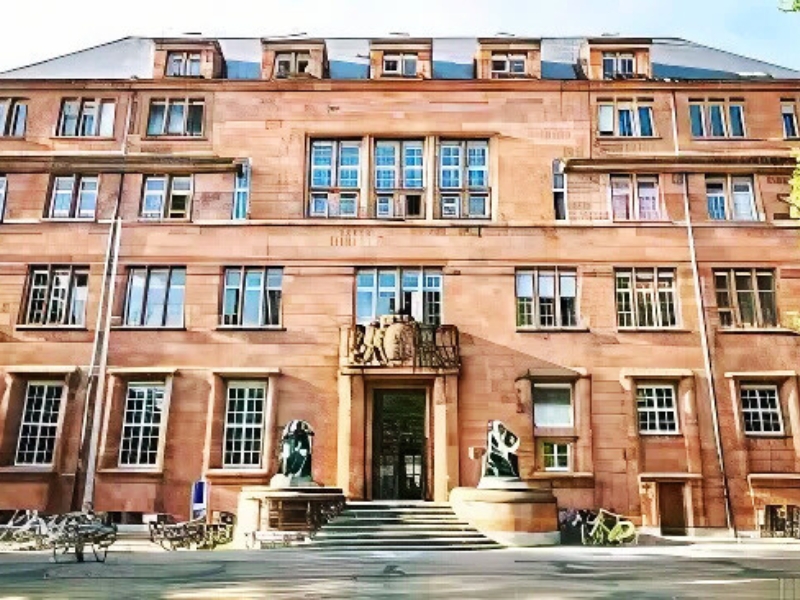
The University of Freiburg, located at Fahnenbergplatz in Freiburg im Breisgau, is one of the oldest universities in Germany, with
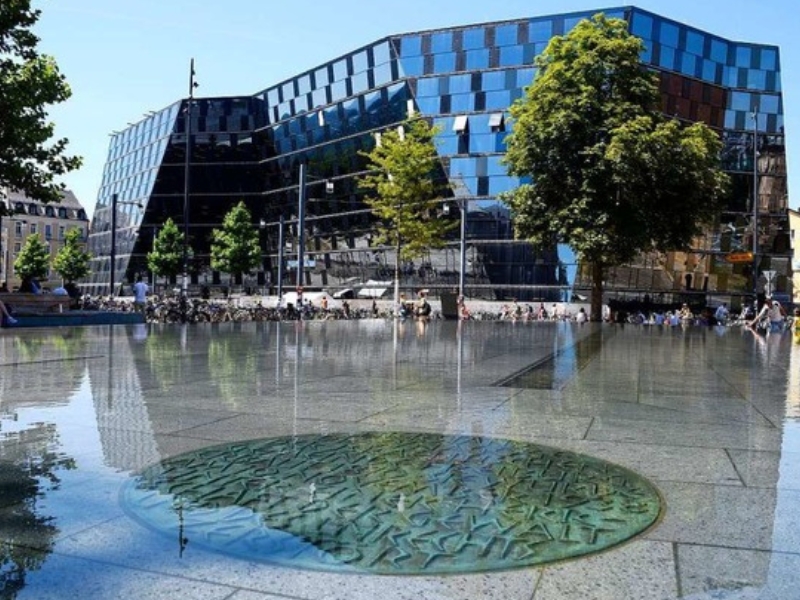
Freiburg’s Platz der Alten Synagoge: a memorial pool in the outline of the synagogue burned in 1938, its 2017 redesign and why not to wade in. Checked October 2026.

Frankfurt’s Alte Brücke: first recorded in 1222, the golden Brickegickel rooster and its devil legend, Charlemagne and the Portikus. Checked October 2026.
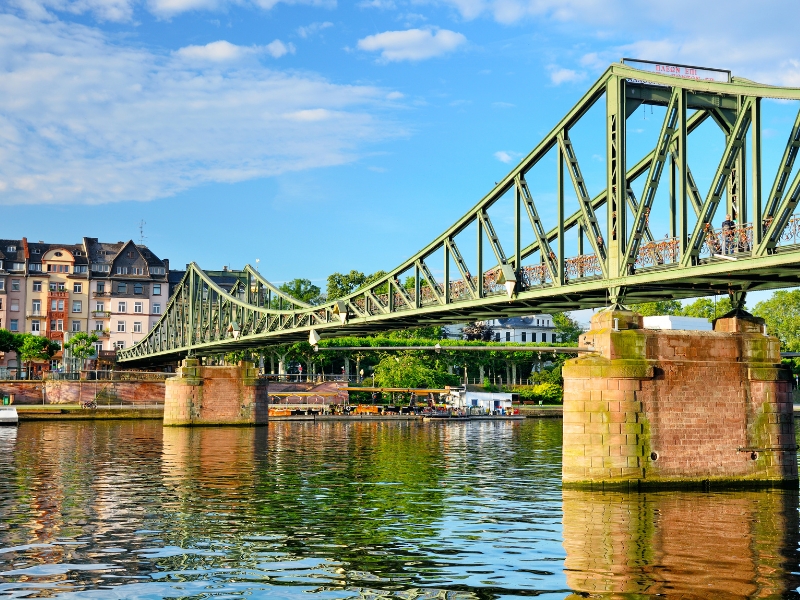
The Eiserner Steg in Frankfurt: the footbridge citizens paid for in 1869, its love locks, the Homer line in Greek and the skyline view. Checked October 2026.
