
Table of Contents
A city with rich history and vibrant student culture
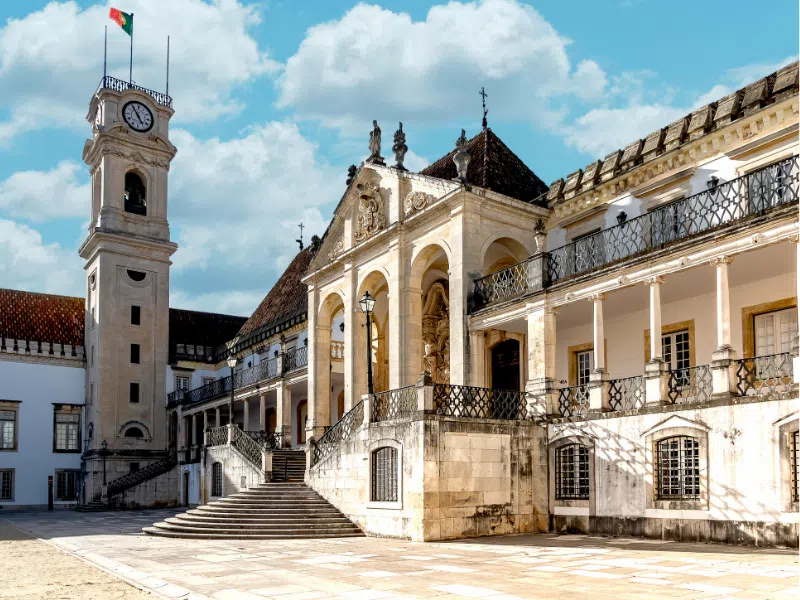
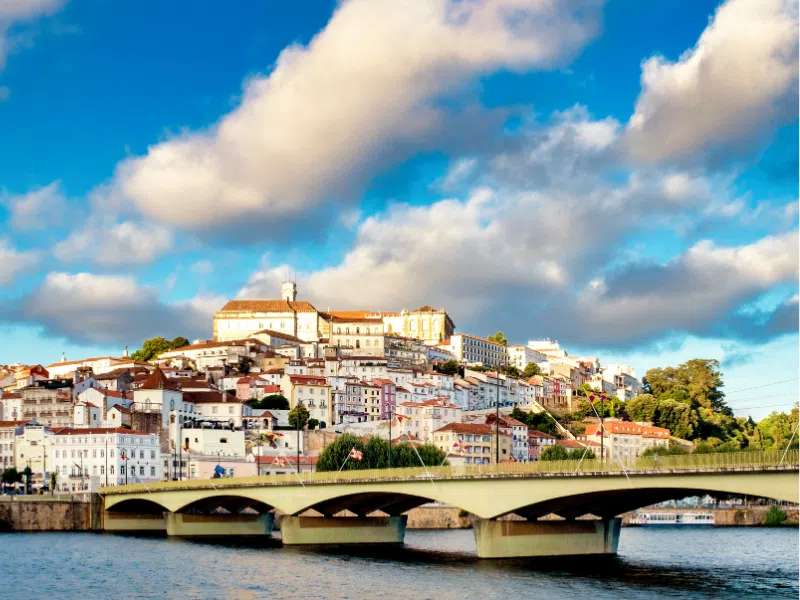
Coimbra is a charming city in central Portugal, renowned for its rich history and vibrant student culture. As the former capital of Portugal, it boasts impressive medieval architecture and a stunning university campus. The University of Coimbra, one of the oldest in Europe, is a UNESCO World Heritage Site and a major draw for visitors. The city’s picturesque old town, with its winding streets and colorful buildings, offers a glimpse into Portugal’s past. Coimbra is also known for its lively atmosphere, especially during the academic year when the streets are filled with students.
Key Features of Coimbra
- Historic University: The University of Coimbra, one of Europe’s oldest universities, is a UNESCO World Heritage Site and a major draw for visitors.
- Medieval Architecture: Coimbra boasts impressive medieval architecture, including the stunning Joanine Library, a masterpiece of Baroque design.
- Picturesque Old Town: The city’s charming old town, with its winding streets and colorful buildings, offers a glimpse into Portugal’s past.
- Student Culture: Coimbra is a vibrant student city, known for its lively atmosphere and unique cultural traditions.
- Fado Music: Coimbra has its own distinct style of fado music, performed primarily by male students and alumni of the university.
- Natural Beauty: The city is surrounded by beautiful countryside, including the Mondego River and the Serra da Lousã mountain range.
Fun Facts About Coimbra
- The City of Students: Coimbra is often referred to as the “City of Students” due to its large student population and vibrant university culture.
- The Joanine Library: The stunning Joanine Library, located within the University of Coimbra, is said to be one of the most beautiful libraries in the world.
- The “Queima das Fitas”: One of the most famous events in Coimbra is the “Queima das Fitas,” a colorful festival celebrating the end of the academic year that features parades, concerts, and traditional rituals.
- The Mondego River: The Mondego River, which flows through Coimbra, is a popular spot for swimming, boating, and fishing.
- The Portuguese Inquisition: Coimbra was once the headquarters of the Portuguese Inquisition, a religious court that prosecuted heretics and dissenters.
- The City of Fado: Coimbra has its own unique style of fado music, performed primarily by male students and alumni of the university.
- The Coimbra Accords: The Coimbra Group, a network of European universities, was founded in Coimbra in 1985.
Local Legends About Coimbra
The Legend of Pedro and Inês
Perhaps the most well-known legend associated with Coimbra is the tragic love story of King Pedro I and Inês de Castro. Inês, a Castilian noblewoman, became Pedro’s mistress, much to the displeasure of his mother, Queen Eleanor. Jealous of Inês’ influence, Eleanor conspired to have her murdered. Pedro was devastated by Inês’ death and, upon becoming king, had her body exhumed and crowned Queen of Portugal. The legend says that Pedro would visit Inês’ tomb daily, and that her heart could still be heard beating.
The Legend of the Student Prince
Another popular legend tells the story of a young prince who disguised himself as a student to attend the University of Coimbra. While there, he fell in love with a beautiful local girl. However, his true identity was eventually discovered, and he was forced to return to his royal duties. The legend says that the prince never forgot his love for the girl, and that he often returned to Coimbra in secret to visit her.
The Legend of the Enchanted Forest
There is also a legend about an enchanted forest that once stood near Coimbra. The forest was said to be home to magical creatures and hidden treasures. Many brave adventurers tried to explore the forest, but few ever returned. Some say that the forest was cursed, and that anyone who entered it would be lost forever.
These are just a few of the many legends that have been passed down through generations in Coimbra. These stories have helped to shape the city’s identity and continue to fascinate visitors today.

Coimbra’s History
- Roman Era: The city was founded by the Romans as Aeminium in the 2nd century AD.
- Visigothic Rule: After the fall of the Roman Empire, Coimbra came under Visigothic rule.
- Muslim Conquest: In the 8th century, the Moors invaded the Iberian Peninsula and conquered Coimbra.
- Reconquista: In the 11th century, the Christian forces began their Reconquista (reconquest) of the Iberian Peninsula. Coimbra was captured by Alfonso VI of Castile in 1064.
- Capital of Portugal: In 1139, Afonso Henriques declared independence from Castile, establishing the Kingdom of Portugal. Coimbra became the capital of the new kingdom, and played a significant role in its development.
- University of Coimbra: The University of Coimbra was founded in 1290, making it one of the oldest universities in Europe. The university played a crucial role in the intellectual and cultural development of Portugal.
- Loss of Capital Status: In 1312, the capital of Portugal was moved to Lisbon. However, Coimbra remained an important city, especially due to its university.
- Napoleonic Wars: During the Napoleonic Wars, Coimbra was briefly occupied by French forces.
- Modern Era: In the 20th century, Coimbra experienced significant growth and modernization. Today, it is a vibrant city with a thriving economy and a rich cultural heritage.
Must-Try Food in Coimbra

- Cozido à Portuguesa: This hearty stew is a staple of Portuguese cuisine and features a variety of meats and vegetables.
- Bacalhau: Codfish is a popular ingredient in Portuguese dishes, and Coimbra has its own unique interpretations. Try bacalhau à Gomes de Sá or bacalhau à Braz.
- Francesinha: This sandwich, originating in Porto, is a popular choice in Coimbra. It consists of grilled meat, cheese, and a rich, spicy sauce.
- Chanfana: A traditional dish from the Beira region, chanfana is a goat stew made with red wine and spices.
- Ovos Moles: These sweet treats are made with egg yolks, sugar, and almonds. They are a specialty of Aveiro, but can also be found in Coimbra.
- Pastel de Nata: This custard tart is a Portuguese classic that is enjoyed all over the country.
- Serradura: A delicious dessert made with whipped cream, Maria biscuits, and condensed milk.
Must Visit Attractions in Coimbra
The Santa Cruz Church, with its stunning Gothic architecture and royal tombs, is a testament to the city’s past.
The bustling Praça do Comércio, a vibrant square lined with shops and cafes, is a great place to people-watch and soak up the local atmosphere.
The Barbican Gate, a fortified structure dating back to the 12th century, provides a glimpse into Coimbra’s medieval past.
The Sé Velha, an old cathedral with Romanesque and Gothic elements, is a must-see for history buffs.
The National Museum Machado de Castro houses a vast collection of art and artifacts from Portugal’s rich history.
The New Cathedral, a grand Baroque structure, is a striking example of the city’s architectural heritage.
The University of Coimbra, a UNESCO World Heritage Site, is one of the oldest universities in Europe and boasts stunning architecture and a vibrant student life.
The Minerva Stairs, a grand staircase leading to the university’s library, are a popular photo spot.
The Praça Dom Dinis, a charming square with a fountain and gardens, is a peaceful oasis in the heart of the city.
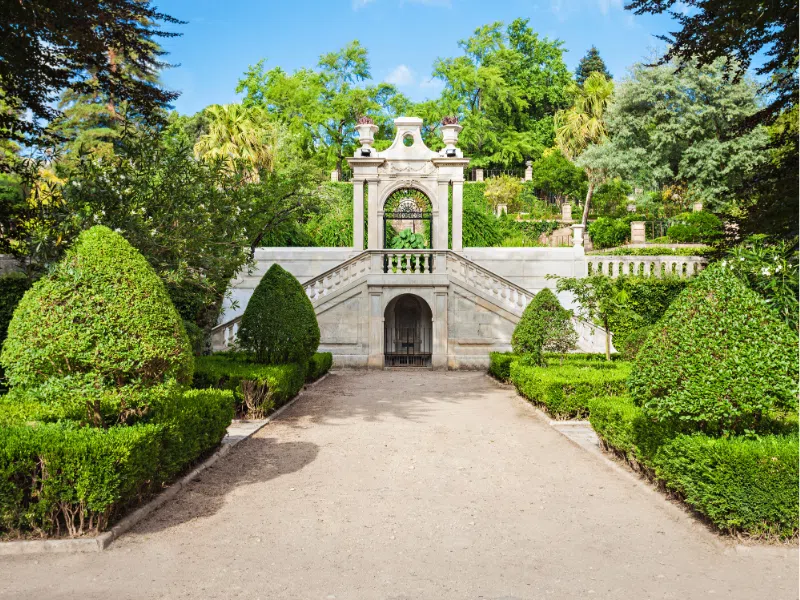
The Jardín Botánico de la Universidad, a beautiful botanical garden, is home to a diverse collection of plants from around the world.
This walking tour will take you through the heart of Coimbra, allowing you to experience the city’s rich history, stunning architecture, and cultural significance.
Explore Coimbra with World City Trail
Embark on an unforgettable journey through the enchanting city of Coimbra with World City Trail. Our interactive walking tour combines the thrill of exploration with the rich history and culture of this beatiful city.
Key Features:
Interactive gameplay: Solve engaging puzzles and challenges as you explore the city.
Iconic landmarks: Discover famous attractions like the Praça do Comércio and the Barbican Gate.
Hidden gems: Uncover lesser-known spots, such as the Minerva Stairs or the Praça Dom Dinis.
Cultural insights: Learn about Coimbra’s fascinating history.
Flexibility: Explore at your own pace and create your own itinerary.
Learn more fun facts about Coimbra!
Book your Coimbra adventure today and experience the magic of this beatiful city.
Further reading on Wikipedia: Monastery of the Holy Cross (Coimbra)