
Table of Contents

The Brandenburg Gate is one of the most iconic landmarks in Berlin, Germany. Located in the heart of the city, it has served as a symbol of both division and unity throughout German history.
A Glimpse into History
The Brandenburg Gate was commissioned by Prussian King Frederick the Great and designed by Carl Gotthard Langhans. Inspired by the Propylaea of the Acropolis in Athens, the gate was completed in 1791. Originally, it served as a triumphal arch to the city of Berlin.
During the Cold War, the Berlin Wall divided the city, and it became a powerful symbol of division. The wall ran directly through the gate, separating East and West Berlin. This physical barrier also represented the ideological divide between the communist East and the capitalist West.
The fall of the Berlin Wall in 1989 marked a turning point in German history. The Brandenburg Gate became a symbol of unity and freedom as people from both sides of the wall gathered to celebrate the end of the Cold War. The removal of the Berlin Wall from the Brandenburg Gate was a historic moment that marked the reunification of Germany.
A Symbol of Unity and Peace
Today, the it stands as a symbol of German unity and peace. It is a popular tourist destination and a significant cultural landmark. The Quadriga, once a symbol of Prussian power, now represents the peaceful reunification of Germany.
The Brandenburg Gate is surrounded by many other cultural landmarks, including the Reichstag Building, the German Historical Museum, and the Holocaust Memorial. These landmarks, together with the Brandenburg Gate, form the heart of Berlin’s cultural district.
The area around it is also home to numerous museums, galleries, and theaters. Visitors can explore the rich history and culture of Berlin by visiting these attractions. The German Historical Museum, for example, offers a comprehensive overview of German history, from the Middle Ages to the present day.

A Symbol of Hope and Reconciliation
The Brandenburg Gate has become a symbol of hope, reconciliation, and the triumph of democracy. It represents the power of human spirit to overcome adversity and build a better future.
The gate’s iconic status and its association with historical events have made it a powerful symbol of German identity. It is a place where people can come to reflect on the past, celebrate the present, and look forward to the future.
Tips for Visiting the Brandenburg Gate
- Best Time to Visit: The best time to visit the Brandenburg Gate is during the spring and autumn months when the weather is mild.
- Photography: The gate offers many photo opportunities, especially at night when it is illuminated.
- Nearby Attractions: Explore the nearby attractions, such as the Reichstag Building, the Holocaust Memorial, and the Tiergarten park.
- Public Transportation: The Brandenburg Gate is easily accessible by public transportation, including the U-Bahn and S-Bahn.
By visiting the Brandenburg Gate, you can immerse yourself in the rich history and culture of Berlin. This iconic landmark is a must-see for any visitor to the city.
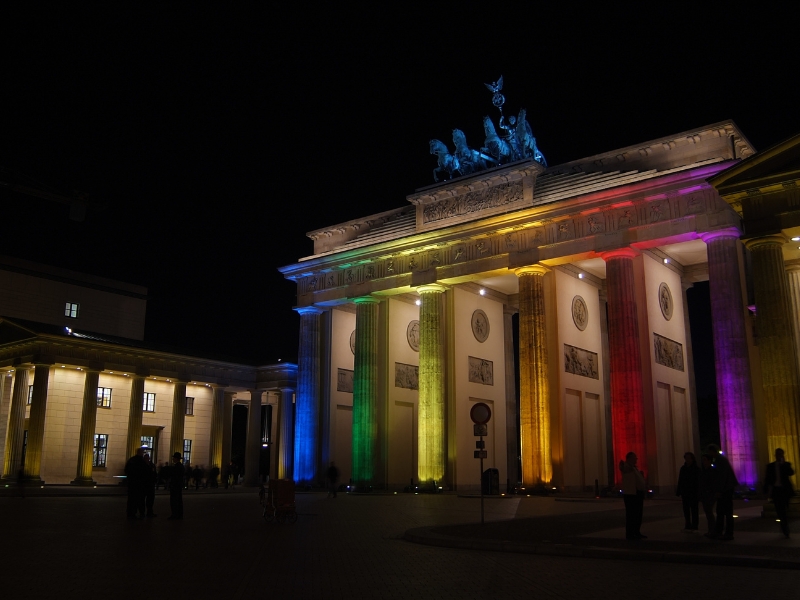
Brandenburg Gate is part of Berlin scavenger hunt and walking tour!
Embark on an unforgettable journey through the enchanting city of Berlin with World City Trail. Our interactive walking tour combines the thrill of exploration with the rich history and culture of this beautiful city.
Key Features:
Interactive gameplay: Solve engaging puzzles and challenges as you explore the city.
Hidden gems: Uncover lesser-known spots.
Cultural insights: Learn about the city’s fascinating history.
Flexibility: Explore at your own pace and create your own itinerary.
Family friendly activity and a great way to explore the city!
Further reading on Wikipedia: Berlin