

Table of Contents
The Scrovegni Chapel, also known as the Arena Chapel, is one of the most celebrated landmarks in Padua, Italy, renowned for its stunning frescoes by the Italian artist Giotto. Situated in the northeastern part of the city, the chapel is a UNESCO World Heritage site and a pinnacle of medieval art, drawing art enthusiasts, historians, and tourists from around the world. The chapel’s artistic and architectural significance makes it a must-visit destination for anyone exploring the rich cultural heritage of Padua.
A Glimpse of History
The Scrovegni Chapel was commissioned by the wealthy Paduan merchant Enrico Scrovegni in the early 14th century, with its construction beginning around 1303. The chapel was part of Scrovegni’s private palace complex and was built on the site of a Roman arena, hence the name “Arena Chapel.” Its construction was deeply tied to Scrovegni’s desire for redemption, as his family had been involved in usury, a practice condemned by the Church at the time. The chapel was intended as a means for Scrovegni to atone for his sins and secure a place in heaven, a sentiment reflected in the religious themes depicted throughout the chapel.
The Giotto Frescoes
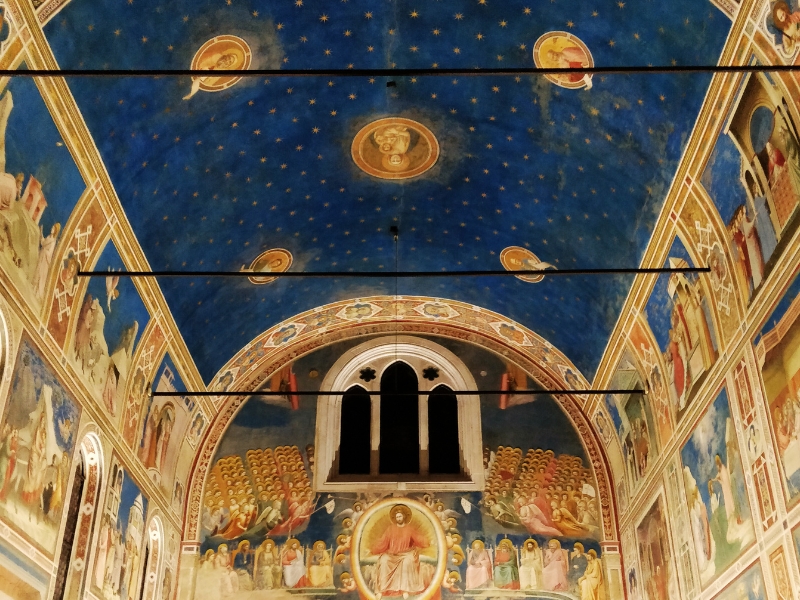
The most defining feature of the Scrovegni Chapel is the breathtaking series of frescoes painted by Giotto di Bondone, one of the most influential artists of the Italian Renaissance. Completed around 1305, the frescoes cover the entire interior of the chapel, creating a visual narrative of the life of Christ, the Virgin Mary, and various saints. The frescoes are renowned for their groundbreaking use of perspective, vivid color, and emotional depth, which marked a departure from the more stylized and flat representations of earlier medieval art.
The chapel’s fresco cycle is divided into three sections: the Life of Christ, the Life of the Virgin, and the Last Judgment. The scenes are arranged in a continuous frieze-like style around the chapel’s walls, creating a dynamic and immersive storytelling experience. Notable scenes include the Annunciation, the Crucifixion, and the Last Judgment, all of which showcase Giotto’s mastery of human emotion and narrative clarity.
One of the most iconic elements of the frescoes is the depiction of the “Lamentation” scene, where the mourning of Christ’s body is portrayed with unparalleled emotional intensity. Giotto’s ability to capture the grief and despair of the moment through his use of composition, light, and color revolutionized Western art and paved the way for later developments in Renaissance painting.
Architectural Features
While the frescoes are the chapel’s main draw, the architecture of the Scrovegni Chapel is also significant. The building is a simple rectangular structure with a wooden ceiling that is covered in blue paint and adorned with golden stars, creating a celestial atmosphere that complements the spiritual themes of the frescoes. The chapel’s design, though unassuming, emphasizes the connection between heaven and earth, with the depiction of divine scenes leading the viewer’s eye upward toward the heavens.
A Cultural and Spiritual Landmark
The Scrovegni Chapel is not only a remarkable work of art but also a deeply spiritual site. Its religious themes, paired with the innovative artistic techniques employed by Giotto, make it a reflection of the medieval devotion to both faith and the power of artistic expression. The chapel remains a testament to the enduring legacy of Giotto and his influence on the development of Western art.
For those visiting Padua, the Scrovegni Chapel is an unmissable stop—a place where history, art, and religion converge in a spectacular display. Whether you are an art lover, a history enthusiast, or someone seeking a moment of contemplation, the chapel offers a profound experience that will stay with you long after you leave.
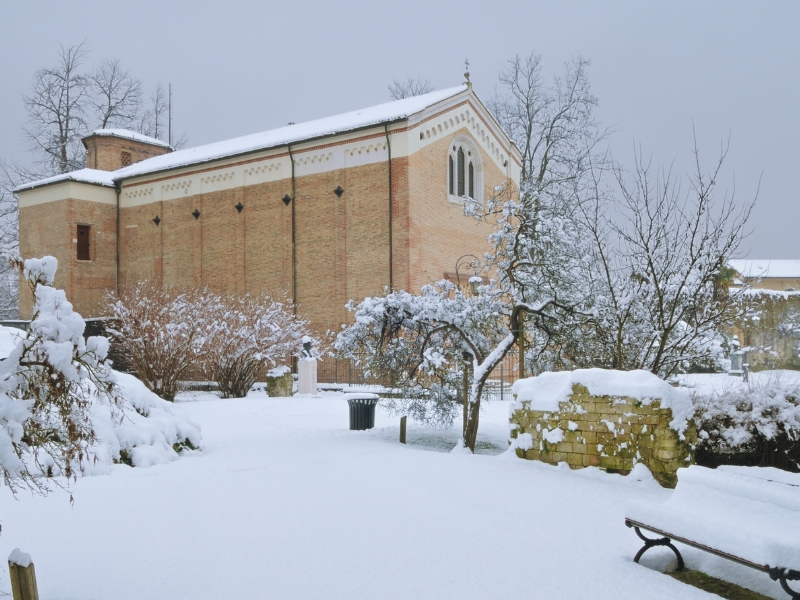
Scrovegni Chapel is part of Padua scavenger hunt and walking tour!
Embark on an unforgettable journey through the enchanting city of Padua with World City Trail. Our interactive walking tour combines the thrill of exploration with the rich history and culture of this beautiful city.
Key Features:
Interactive gameplay: Solve engaging puzzles and challenges as you explore the city.
Hidden gems: Uncover lesser-known spots.
Cultural insights: Learn about the city’s fascinating history.
Flexibility: Explore at your own pace and create your own itinerary.
Family friendly activity and a great way to explore the city!
Further reading on Wikipedia: Padua