
Table of Contents
Nestled in Italy’s Emilia-Romagna region, Ravenna is a city renowned for its breathtaking Byzantine mosaics, rich history, and cultural heritage. Once the capital of the Western Roman Empire, Ravenna boasts stunning UNESCO-listed sites, from the Basilica of San Vitale to the Mausoleum of Galla Placidia. With its charming piazzas, medieval architecture, and a deep connection to Dante Alighieri, Ravenna offers a captivating journey through art, history, and tradition.
Key Features of Ravenna
- UNESCO World Heritage Sites – Ravenna is home to eight UNESCO World Heritage Sites, including its stunning Byzantine mosaics found in landmarks like San Vitale and the Mausoleum of Galla Placidia.
- Byzantine Art and Architecture – Known for its Byzantine heritage, the city boasts a remarkable collection of mosaics, churches, and monuments that reflect its golden age as a capital of the Roman and Byzantine empires.
- Dante’s Tomb – Ravenna is the final resting place of Dante Alighieri, the author of The Divine Comedy, with his tomb being a significant site for literary pilgrims.
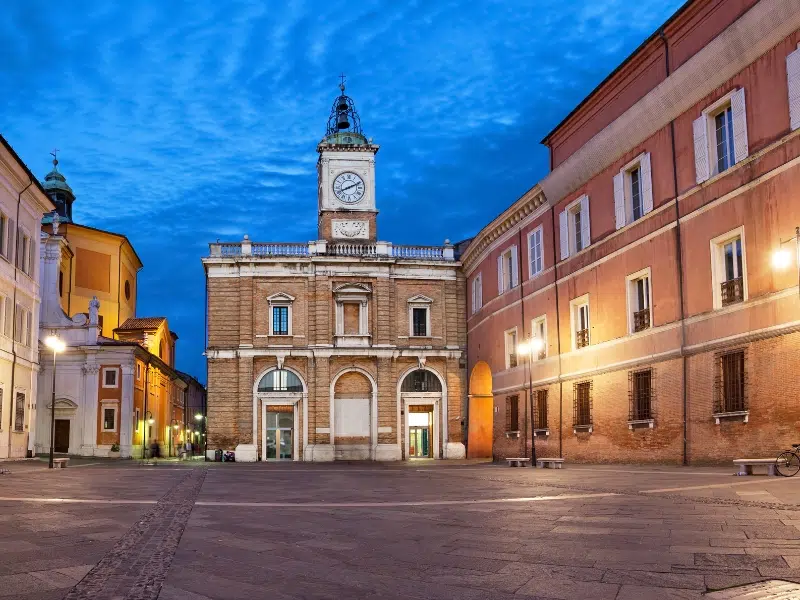
- Historic Centers and Piazzas – The city center is a blend of Roman, Byzantine, and medieval architecture, with Piazza del Popolo being a central hub of activity, surrounded by charming cafés and historic buildings.
- Rich Maritime History – Although no longer a port city, Ravenna was once a major Adriatic port and boasts a fascinating maritime history.
- Cultural Festivals and Events – Ravenna hosts a variety of events like the Ravenna Festival, celebrating opera, music, and theater, which attract artists and visitors from all over the world.
- Culinary Delights – The city is known for its traditional Romagnolo cuisine, including piadina, cappelletti, and fresh seafood, as well as its rich local wines.
- Charming Canals and Green Spaces – The city has a network of historic canals, once used for trade, and offers beautiful parks and gardens like the Giardini Pubblici di Ravenna.
- Vibrant Local Traditions – Ravenna’s local festivals, artisanal products, and Romagnolo dialect add to the authenticity and charm of this historic city.
Fun Facts About Ravenna
- Once a Roman Capital – Ravenna was the capital of the Western Roman Empire from 402 to 476 CE, making it one of the most important cities in late antiquity.
- A City of Mosaics – Ravenna is home to eight UNESCO World Heritage Sites, mainly due to its breathtaking Byzantine mosaics, considered among the finest in the world.
- Dante’s Final Resting Place – The legendary poet Dante Alighieri, author of The Divine Comedy, is buried in Ravenna, where he spent his final years in exile.
- A Blend of Cultures – Ravenna has been ruled by Romans, Ostrogoths, Byzantines, and the Papal States, each leaving a lasting mark on its architecture and culture.
- No Longer a Coastal City – Although once an important Adriatic port, Ravenna is now about 8 km (5 miles) inland, due to centuries of land elevation and sediment buildup.
- Secret Underground Passages – Beneath Ravenna, there are ancient Roman roads and hidden tunnels, some of which have been discovered under its famous churches.
- A Symbol of Early Christianity – Ravenna’s Baptistery of Neon (Battistero Neoniano) is one of the oldest Christian baptisteries, dating back to the 5th century.
- Inspired Famous Artists – Ravenna’s mosaics influenced modern artists like Gustav Klimt and inspired poetry from Oscar Wilde and Ezra Pound.
- A Unique Local Dialect – People in Ravenna speak Romagnolo, a regional dialect distinct from standard Italian, featuring unique words and pronunciation.
- Home to a “Floating” Church – The Basilica of San Francesco has a crypt that is often submerged underwater, and visitors can see goldfish swimming inside!

Local Legends About Ravenna
- The Legend of Galla Placidia’s Sandal: This legend centers around the Basilica of San Giovanni Evangelista. It’s said that Empress Galla Placidia, in her search for relics of St. John the Evangelist, was granted a miraculous gift. During prayers, an angelic figure appeared, and upon its disappearance, the Empress found herself holding the saint’s sandal.
- “Mariola” and the Knight: This legend is connected to a Roman bas-relief found in the Torre Civica. It depicts a knight and a fragmented figure. The saying “Searching Maria across Ravenna” originates from the idea that the knight is endlessly searching for his lost love, who is, ironically, right beside him.
- The Legend of the “Madonna del Sudore” (Madonna of the Sweat): This legend involves a painting believed to have been housed in a local tavern. It tells of a soldier who, in a fit of rage, stabbed the painting, causing it to “sweat” blood. This miraculous event is said to have occurred multiple times, further solidifying the painting’s sacred status.
- The Monster of Ravenna: A particularly bizarre and fascinating legend from 1512 tells of a monstrous birth. Described as having horns, unusual markings, and deformed limbs, this creature was seen as an omen. The story reflects the superstitions and anxieties of the time, and the event became intertwined with the political and military upheavals of the era.
- Legends surrounding Theodoric’s death: There are many fanciful tales surrounding the death of Theodoric. Some tales talk of him being taken by his horse into a volcano. Others talk of him seeing the head of a man he had killed, within a fish that was served to him.
What About the History of Ravenna?
Ancient Roman Era (2nd Century BCE – 5th Century CE)
Originally a small settlement, Ravenna rose to prominence under the Roman Empire. In 402 CE, it became the capital of the Western Roman Empire, chosen for its defensible position surrounded by marshes.
Ostrogothic Rule and Byzantine Influence
After the fall of the Western Roman Empire, Ravenna was ruled by Theodoric the Great, the Ostrogothic king. He transformed the city into a center of art and architecture, commissioning stunning basilicas and mausoleums adorned with Byzantine mosaics.
The Eastern Roman (Byzantine) Empire, under Emperor Justinian I, conquered Ravenna in 540 CE. It became the capital of the Byzantine Exarchate of Ravenna, serving as a key administrative and religious hub. This period left behind the city’s most famous landmarks, including San Vitale, Sant’Apollinare Nuovo, and the Mausoleum of Galla Placidia, all decorated with breathtaking mosaics.
Medieval and Renaissance Periods (8th–18th Century)
After the Lombards conquered Ravenna in 751 CE, it passed under the rule of the Papal States. The city saw periods of decline and revival, eventually flourishing during the Renaissance with the construction of palaces and churches.
Must-Try Foods in Ravenna
- Cappelletti al Ragù – A traditional stuffed pasta, similar to tortellini, served with a rich meat ragù sauce.
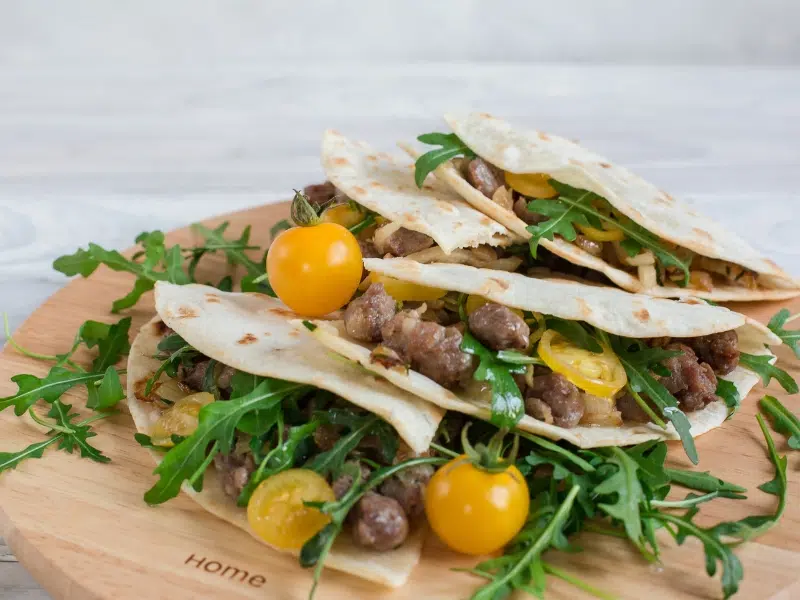
- Piadina Romagnola – A classic flatbread from the Emilia-Romagna region, often filled with prosciutto, cheese, and fresh greens.
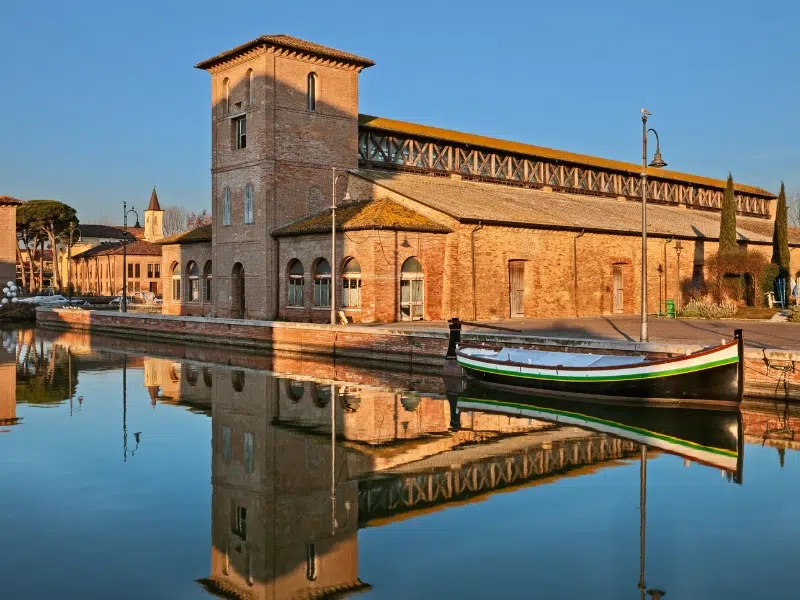
- Anguilla (Eel) – A local delicacy from the nearby Comacchio area, typically grilled or stewed in a savory sauce.
- Squacquerone Cheese – A soft, creamy cheese from Romagna, perfect when paired with piadina or fresh bread.
- Ciambella Romagnola – A simple yet delicious ring-shaped cake, often enjoyed with a glass of sweet wine.
- Savor – A thick autumn jam made from grape must, apples, pears, and nuts, traditionally spread on bread or desserts.
- Albana di Romagna – A famous local white wine, perfect to accompany your meal or to enjoy on its own.
Must-Visit Attractions in Ravenna
Giardini Pubblici di Ravenna – A peaceful green oasis in the city, perfect for a relaxing stroll or a picnic amidst nature.
Basilica di Sant’Apollinare Nuovo – A stunning basilica showcasing breathtaking Byzantine mosaics that depict biblical scenes in vivid detail.
Teatro Comunale Alighieri – A historic opera house with elegant architecture, hosting classical music and theater performances.
Dante’s Tomb – The final resting place of the legendary poet Dante Alighieri, an important pilgrimage site for literature lovers.
Battistero Neoniano (o degli Ortodossi) – One of the oldest monuments in Ravenna, famous for its incredible early Christian mosaics.
Piazza del Popolo – The lively heart of Ravenna, surrounded by historic buildings, charming cafés, and a vibrant atmosphere.
Mercato Coperto – A bustling indoor market where you can discover fresh local produce, traditional Italian delicacies, and artisanal products.
Porta Adriana – A historic gateway that once marked the entrance to Ravenna, offering a glimpse into the city’s medieval past.
Basilica of San Vitale – A UNESCO-listed masterpiece, renowned for its magnificent mosaics and remarkable blend of Roman and Byzantine architecture.
Mausoleo di Galla Placidia – A small yet mesmerizing mausoleum adorned with deep blue mosaics, creating a celestial and awe-inspiring atmosphere.
This walking tour will take you through the heart of Ravenna, allowing you to experience the fun facts about Ravenna’s rich history, stunning architecture, and cultural significance.
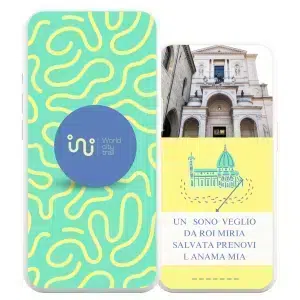
Explore Ravenna with World City Trail
Embark on an unforgettable journey through the historic streets and cultural treasures of Ravenna with World City Trail. This interactive walking tour combines exploration, entertainment, and all the fun facts about Ravenna into a unique and engaging experience.
Key Features:
- Interactive Gameplay – Solve fun puzzles and challenges as you explore Ravenna’s hidden gems, from ancient basilicas to stunning mosaics.
- Iconic Landmarks – Visit must-see sites like the Basilica di San Vitale, Mausoleum of Galla Placidia, Piazza del Popolo, and Dante’s Tomb while discovering the city’s rich history.
- Hidden Gems and Fun Facts About Ravenna – Uncover Ravenna’s lesser-known treasures, including Byzantine mosaics, secret courtyards, and fascinating legends.
- Flexibility – Explore at your own pace, crafting an itinerary that suits your interests while immersing yourself in Ravenna’s unique charm.