
Nestled west of Amsterdam’s iconic canal belt, the Jordaan neighbourhood in Amsterdam is arguably one of the city’s most charming and characterful districts. With its labyrinthine network of narrow streets, picturesque canals, hidden courtyards, and vibrant atmosphere, the Jordaan offers a captivating blend of history, local culture, and bohemian allure. Its journey from a densely populated working-class area to one of Amsterdam’s most sought-after neighborhoods is a testament to its enduring appeal and remarkable transformation.
The Origins of the Jordaan: A 17th-Century Expansion
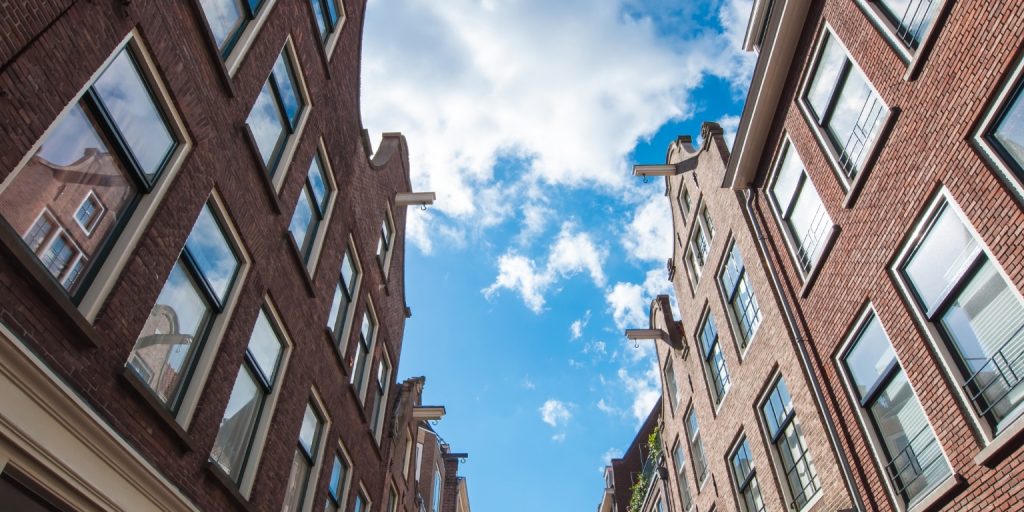
The history of the Jordaan dates back to the early 17th century. As Amsterdam experienced a massive expansion, particularly from 1612 onwards, there was a pressing need to house the city’s rapidly growing population. Unlike the meticulously planned grachtengordel (canal belt) with its grand mansions built for wealthy merchants, the Jordaan was developed as a district primarily for the working class and various waves of immigrants and refugees.
These early residents included Protestant Flemings, Spanish and Portuguese Jews, and French Huguenots, all seeking refuge and opportunity in the tolerant city of Amsterdam. The layout of the Jordaan is distinctly different from the rest of the old city center. Its irregular street pattern was not a grand design but rather organically based on old ditches, paths, and waterways that predated the major urban expansion.
For centuries, the Jordaan was a densely populated area, often characterized by small houses, limited sanitation, and open sewers. By 1900, it housed an astonishing 80,000 people in relatively cramped conditions.
Transformation and Rediscovery: The Jordaan’s Modern Era
The mid-20th century saw the Jordaan facing significant challenges. Many buildings were in disrepair, and the area was widely considered a slum. There were even proposals for large-scale demolition. However, fierce resistance from residents and a growing appreciation for its unique character ultimately led to a different path: renovation and revitalization.
Starting in the 1970s, the Jordaan began a remarkable process of gentrification. The neighborhood was “discovered” by a new generation of inhabitants, including artists, students, and young entrepreneurs, drawn to its authentic charm, central location, and relatively affordable rents at the time. While many original residents moved to newer, more spacious developments outside the city, these newcomers gradually transformed the Jordaan.
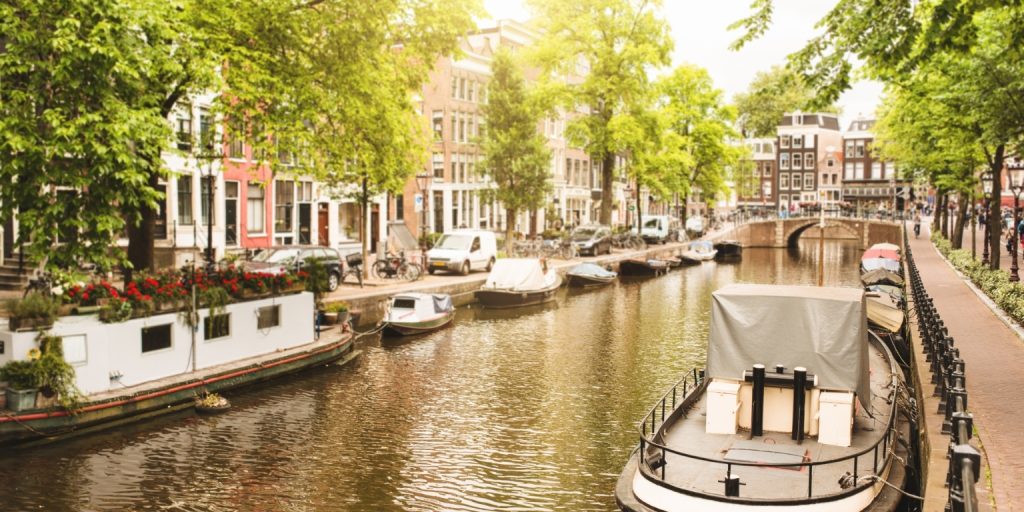
Today, the Jordaan Neighbourhood in Amsterdam is a vibrant testament to this transformation. It retains its historic charm but now boasts a mix of trendy boutiques, art galleries, specialty shops, and an incredible array of restaurants and cozy “brown cafés” (traditional Dutch pubs). The narrow streets and small canals are beautifully maintained, creating a peaceful oasis just steps away from the bustling city center.
Exploring the Jordaan Today
The Jordaan neighbourhood in Amsterdam offers a wealth of experiences for visitors:
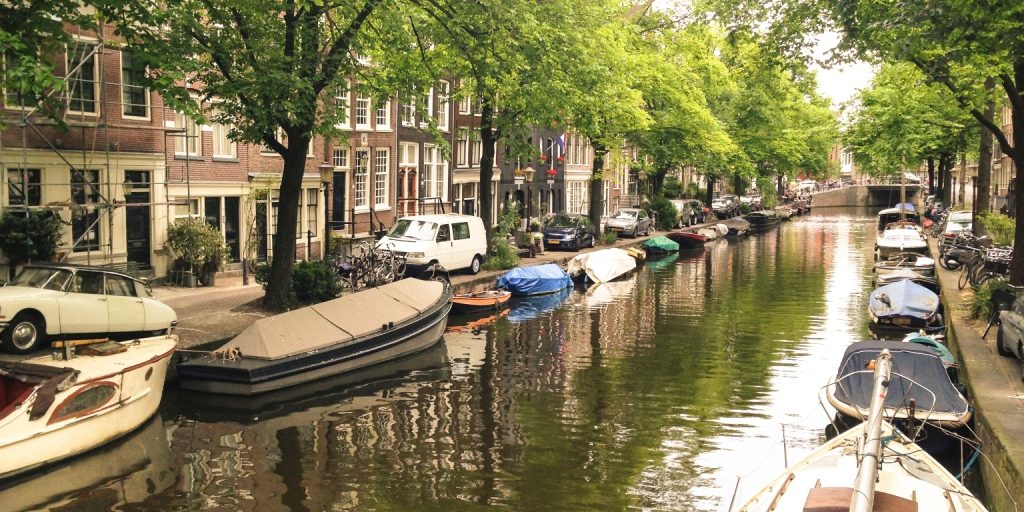
- Picturesque Canals and Streets: Wander through the charming canals like the Prinsengracht and Lijnbaansgracht, and explore the smaller, often named after flowers (e.g., Bloemgracht, Egelantiersgracht), adding to the neighborhood’s unique character.
- Hidden Hofjes: Discover the tranquil hofjes (inner courtyards), originally built as almshouses for the elderly or needy. Many are still secluded havens of peace and greenery.
- Vibrant Markets: Immerse yourself in local life at the Noordermarkt (Northern Market), which hosts a flea market on Mondays and a popular organic farmers’ market on Saturdays. The Lindengracht Market on Saturdays is another excellent option for food.
- Cultural Hub: The Jordaan has a rich artistic heritage. While Rembrandt lived his later years on Rozengracht (once a canal), today the neighborhood is dotted with small galleries and studios. The famous Anne Frank House is also located on the edge of the Jordaan, on the Prinsengracht.
- “Brown Cafés” and Dining: Experience authentic Dutch hospitality in one of the many traditional brown cafés, or indulge in diverse culinary experiences at the numerous restaurants that cater to every taste.
The Jordaan neighbourhood in Amsterdam, originally built from 1612 onwards, is more than just a collection of old buildings; it’s a living, breathing part of the city’s soul. Its captivating history, from working-class origins to its current status as a chic and desirable district, makes it an essential visit for anyone wanting to truly understand the spirit and evolution of Amsterdam.