
Nestled within the captivating labyrinth of Antalya’s historic Kaleiçi district, the Suna and İnan Kıraç Kaleiçi Museum stands as a unique cultural institution. Far from a grand archaeological display, this charming museum offers an intimate and vivid portrayal of 19th-century Antalya life, traditions, and the distinct cultural heritage of the region. It’s a journey into the domestic and spiritual heart of the old city, brought to life through meticulous restoration and engaging exhibits.
A Dual Heritage: House and Church
The museum is not housed in a single building but rather in a compelling complex of two distinct, yet complementary, historical structures. This dual nature is part of what makes the Suna and İnan Kıraç Kaleiçi Museum so fascinating:
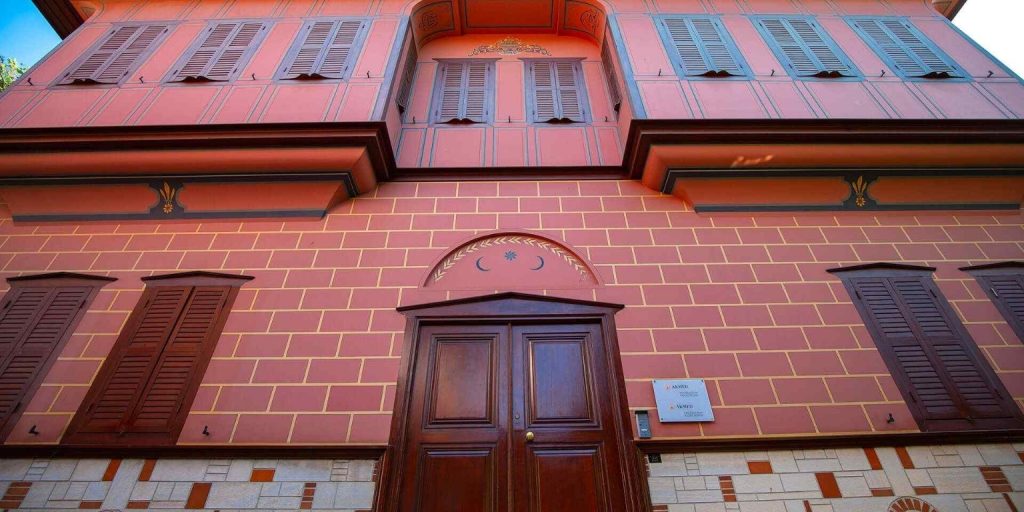
- A Traditional Antalya House: The primary part of the museum is a beautifully restored 19th-century traditional Antalya mansion. This two-story house is a superb example of the vernacular architecture of Kaleiçi, characterized by its inner courtyards, stone pebble mosaics (taşlık), and often overhanging upper floors designed to capture the breeze and provide shade. The restoration of this house aimed to return it to its original appearance, allowing visitors to experience the spatial arrangements and ambiance of a historical Kaleiçi home.
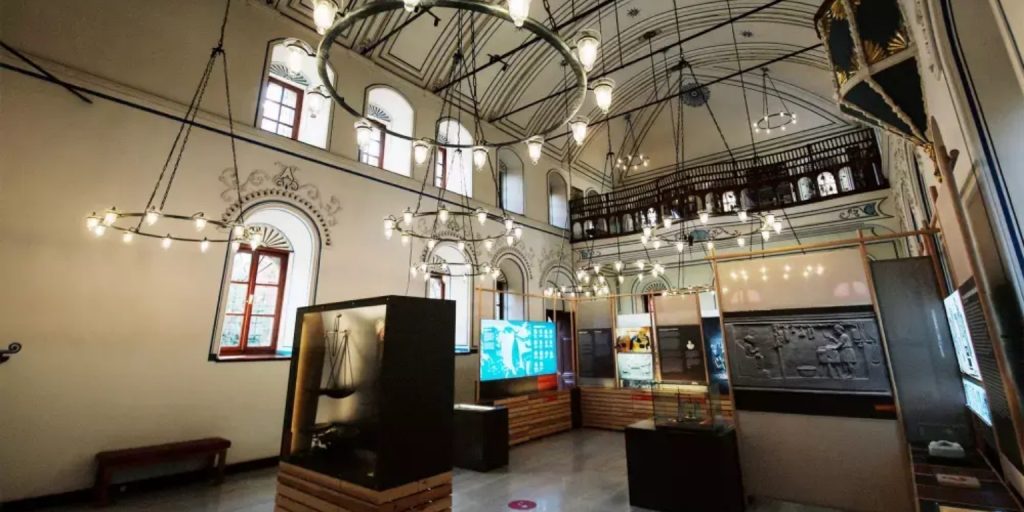
- The Aya Yorgi (St. George) Church: Complementing the house is an adjacent, also meticulously restored, former Greek Orthodox church of Aya Yorgi (Saint George). While the exact original construction date of the church is not explicitly stated in all records, historical inscriptions on a marble frieze indicate it was “restored by the Antalya Christians” in 1863. This suggests the church itself existed prior to this date, perhaps as early as the 19th century or even earlier, before its restoration. Its conversion into an exhibition space for the museum reflects the layers of cultural and religious history present in Kaleiçi.
A Vision of Preservation and Education: The Museum’s Founding
The Suna and İnan Kıraç Kaleiçi Museum owes its existence to the vision and dedication of Suna and İnan Kıraç, prominent Turkish philanthropists and collectors. Recognizing the rapid changes occurring in Kaleiçi and the importance of preserving its unique cultural heritage, they purchased these historical buildings. Following a meticulous and comprehensive renovation period between 1993 and 1995, the complex was officially opened to visitors as a “private museum” in 1996.
The primary purpose of the museum is to showcase and maintain important elements of Antalya’s traditional life and culture, focusing on the late Ottoman period and the early Republican era. It aims to offer an ethnographic insight into the customs, rituals, and daily routines of the people who once inhabited this vibrant old town.
Stepping Back in Time: The Museum’s Exhibits
The experience of visiting the Suna and İnan Kıraç Kaleiçi Museum is truly immersive.
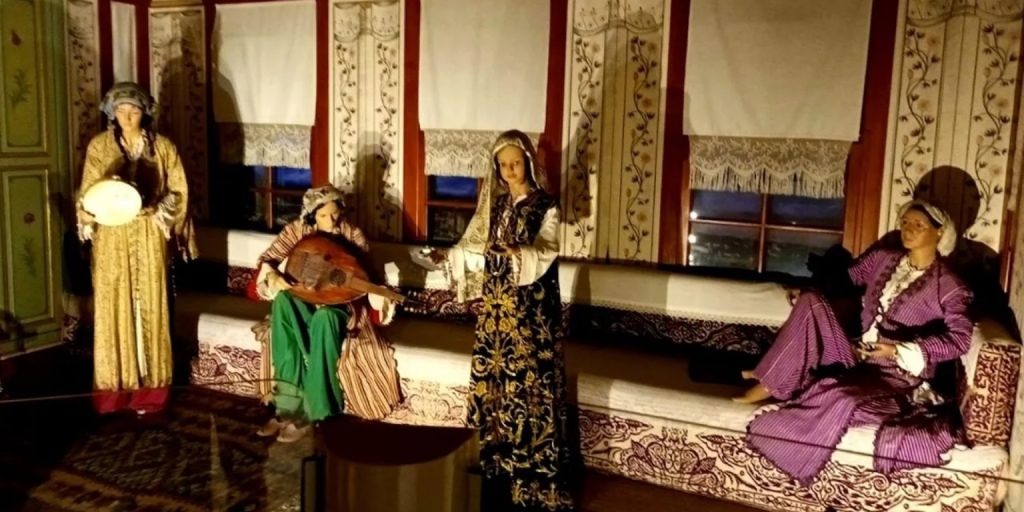
- In the Traditional House: The two-story mansion is designed to provide a vivid idea of 19th-century life. The ground floor often features service rooms and a central stony area. The upper floor contains a series of life-size dioramas featuring realistic wax figures, traditional clothes, furniture, and textiles. These meticulously arranged scenes depict important rituals and customs of Ottoman Antalya, such as:
- Wedding preparations
- Henna parties
- The shaving of the groom
- Traditional coffee rituals Large information boards in both English and Turkish provide context, describing the traditions, customs, and even the architectural style of the houses.
- In the Aya Yorgi Church: This restored church, with its serene atmosphere, now houses the impressive Çanakkale ceramics collection from the 18th and 20th centuries, amassed by the Kıraç couple. These ceramics are known for their vibrant colors and unique designs. The upper floor of the church often features a fine collection of old photographs depicting local people and houses in Kaleiçi, adding another layer of historical depth.
The Suna and İnan Kıraç Kaleiçi Museum, born from the meticulous restoration of a 19th-century house and a church (restored in 1863) and opened as a museum in 1996, is an indispensable stop for anyone exploring Antalya’s Kaleiçi. It offers a captivating, intimate journey into the social fabric and cultural traditions of the city’s past, providing a profound appreciation for its enduring heritage.