
Bucharest, the vibrant capital of Romania, proudly carries the endearing nickname “Micul Paris” or Little Paris. This epithet is not just a romantic flourish; it’s a testament to a deliberate and profound period of urban, architectural, and cultural transformation that swept through the city in the late 19th and early 20th centuries. During this Belle Époque era, Little Paris in Bucharest consciously emulated the grandeur and sophistication of the French capital, resulting in a unique fusion of Eastern European spirit and Western European elegance that still captivates visitors today.

The Era of Transformation: Late 19th and Early 20th Centuries
The “Little Paris” era in Bucharest primarily unfolded from the mid-19th century through to the interwar period of the early 20th century. Following the union of Wallachia and Moldavia to form Romania in 1859, and especially after Bucharest became the permanent capital in 1862 and the Kingdom of Romania was proclaimed in 1881, there was a concerted effort to modernize and “Westernize” the city. The newly established monarchy and a burgeoning elite looked to Paris as the ultimate model for urban development, cultural refinement, and a cosmopolitan lifestyle.
Many young Romanian intellectuals, architects, and artists studied in Paris, returning home eager to apply what they had learned. This intellectual migration fostered a strong Francophile sentiment, which permeated various aspects of Bucharest’s urban and social fabric.
Architectural Grandeur: Echoes of Paris
The most tangible manifestation of Bucharest’s “Little Paris” identity lies in its architecture and urban planning. French architects, as well as Romanian architects trained at the prestigious École des Beaux-Arts in Paris, were commissioned to design key public buildings and private residences, transforming the city’s appearance.
Key architectural features and urban elements that evoke Paris include:
- Wide, Tree-Lined Boulevards: Much like Haussmann’s Paris, Bucharest developed grand avenues such as Calea Victoriei (Victory Avenue), often compared to the Champs-Élysées. These boulevards were designed for promenading and showcasing the city’s modern character.
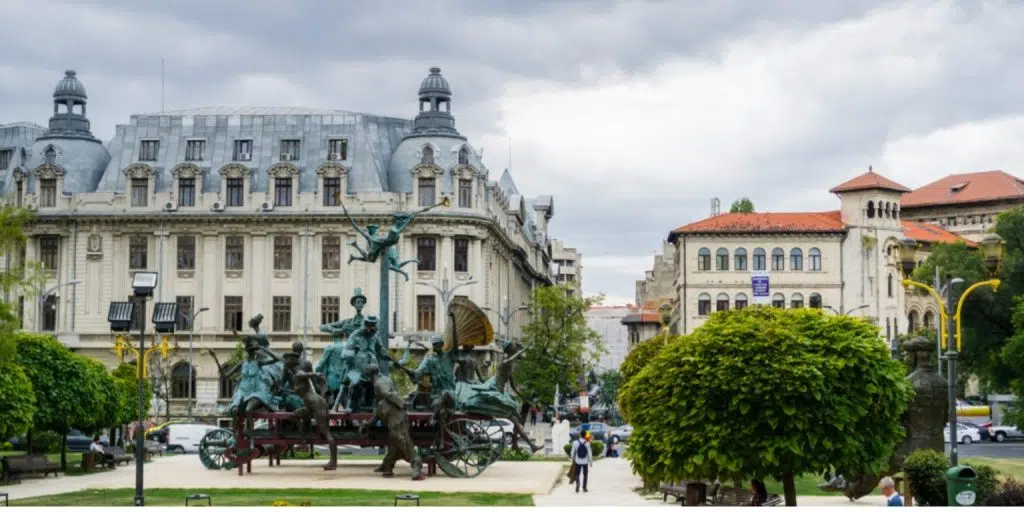
- Eclectic and Neoclassical Buildings: Many of Bucharest’s most iconic buildings from this period feature ornate facades, intricate detailing, elegant balconies, and grand proportions characteristic of the Beaux-Arts, Neoclassical, and later Art Nouveau styles popular in Paris. Examples include:
- The Romanian Athenaeum (Ateneul Român): A stunning concert hall (completed 1888), considered a masterpiece of European architecture, designed by French architect Albert Galleron.
- The CEC Palace (Palatul CEC): An imposing and beautifully detailed building with a distinctive glass and metal dome, designed by French architect Paul Gottereanu and completed in the late 19th century.
- The National Bank of Romania (BNR): Another significant structure showcasing French influence.
- Numerous private mansions and apartment blocks, particularly in areas like Cotroceni and along Calea Victoriei.
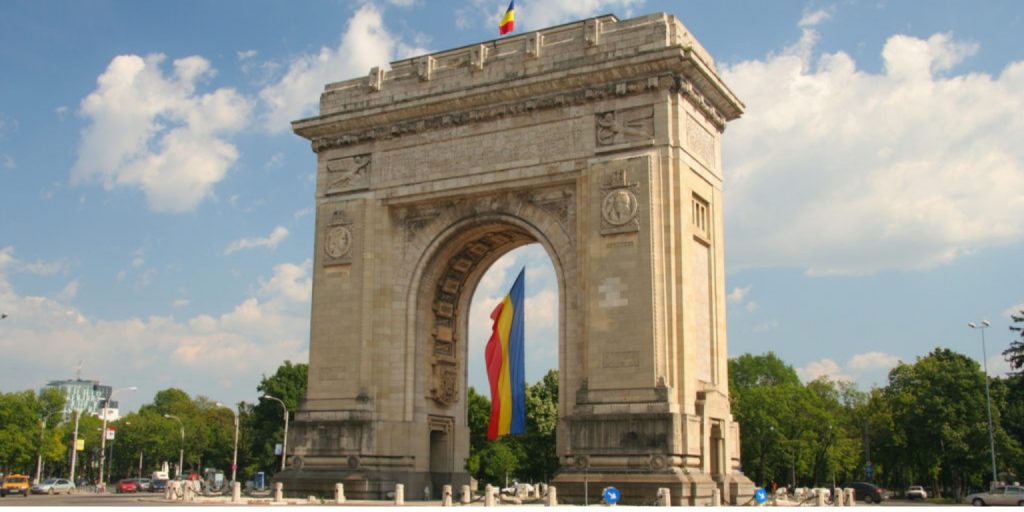
- The Arcul de Triumf (Arch of Triumph): Erected in 1922 (and rebuilt in stone in 1936) to commemorate Romania’s victory in World War I and the unification of its provinces, it is directly inspired by the Arc de Triomphe in Paris, reinforcing the deliberate visual homage.
- Public Parks and Gardens: The creation of elegant public parks, such as Cișmigiu Gardens, also reflected Parisian urban planning, offering green oases for leisure and social interaction.
Cultural Sophistication and Lifestyle
Beyond architecture, Bucharest’s “Little Paris” moniker extended to its cultural life and social customs. The city cultivated a sophisticated atmosphere mirroring Parisian high society:
- Language and Manners: French became the dominant foreign language among the elite, used in social gatherings, literature, and even restaurant menus. French fashion and etiquette were widely adopted.
- Café and Salon Culture: Like Paris, Bucharest developed a thriving café culture, with elegant establishments serving as meeting places for intellectuals, artists, and politicians to debate ideas and socialize.
- Arts and Entertainment: The city saw a flourishing of the arts, with theaters, opera houses, and literary salons drawing inspiration from Parisian trends, attracting both Romanian and foreign artists.
Enduring Legacy Despite Challenges
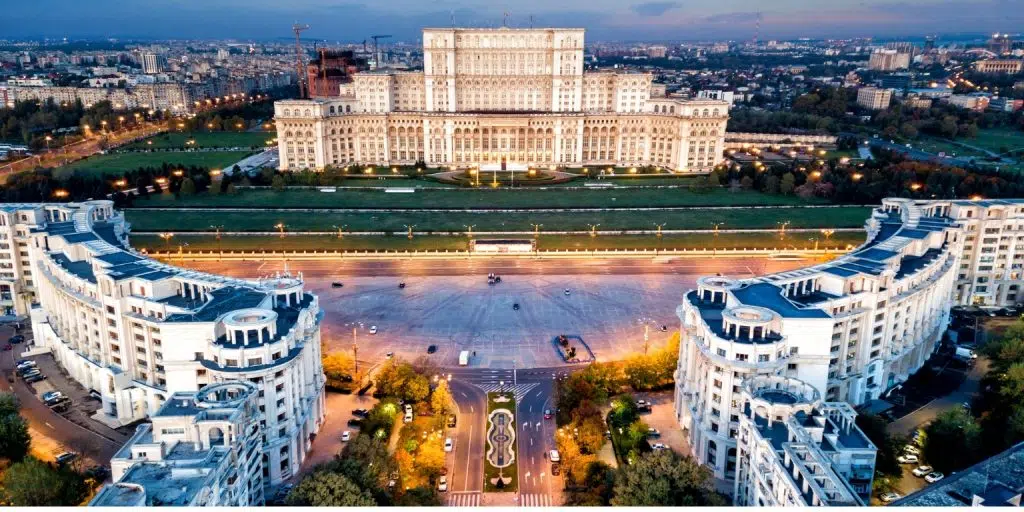
While World War II, earthquakes, and particularly the systematization policies of the communist regime under Nicolae Ceaușescu in the 1980s (which saw the demolition of vast swathes of historic Bucharest for the Civic Centre and Palace of the Parliament) erased significant parts of this heritage, the spirit and architectural remnants of “Little Paris” still define much of central Bucharest.
Today, visitors can still wander along Calea Victoriei, explore the revitalized Lipscani district, and admire the numerous Belle Époque buildings that survived, offering a powerful glimpse into why Bucharest proudly earned its affectionate title. The “Little Paris” in Bucharest is not merely a historical footnote; it is a living legacy that continues to shape the city’s identity, inviting exploration of a unique blend of Eastern European vibrancy and Western European grace.