
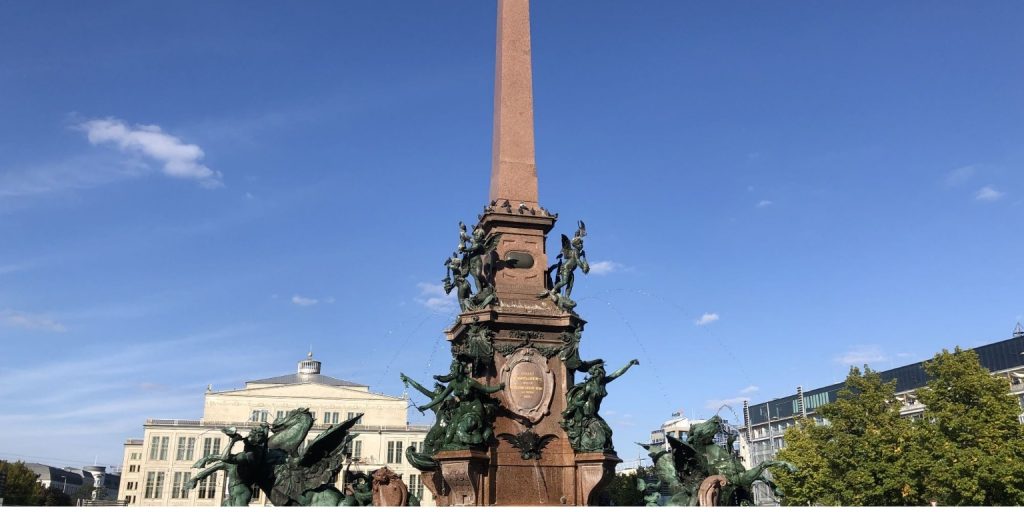
In the heart of Krakow’s historic Jewish Quarter, Kazimierz, stands the Mendebrunnen (Mende Fountain). While perhaps not as globally recognized as the Wawel Castle or the Main Market Square, this unassuming yet significant monument serves as a poignant and often overlooked symbol of the district’s rich Jewish history, its cultural contributions, and its tragic past. A visit to the Mendebrunnen in Krakow offers a moment of quiet reflection and a tangible connection to the vibrant community that once thrived in this unique part of the city.
A Tribute to a Literary Giant
The Mendebrunnen is named in honor of Mendele Mocher Sforim, the pen name of Shalom Jacob Abramovich (1836-1917). Often hailed as the “grandfather of Yiddish literature” and one of the founders of modern Hebrew literature, Mendele Mocher Sforim played a pivotal role in the development of both literary traditions. His satirical and realistic novels and stories, written in a vivid and accessible Yiddish, explored the lives, struggles, and aspirations of Eastern European Jews, offering both sharp social commentary and deep empathy.
While Mendele Mocher Sforim himself did not live in Krakow, the fountain was erected in his honor as a tribute to his profound influence on Jewish culture and literature, particularly relevant in a city like Krakow that was a major center of Jewish life for centuries. The decision to dedicate a monument to him in Kazimierz underscores the district’s historical significance as a heartland of Jewish intellectual and artistic activity. The fountain was established in 1908, during a period when Kazimierz was still a bustling and vibrant Jewish community before the horrors of World War II.
Design and Symbolism
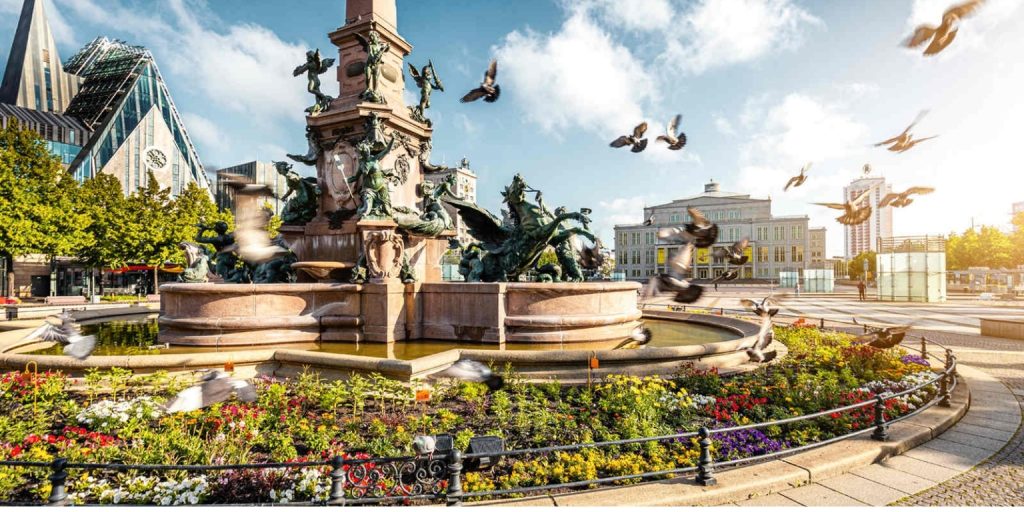
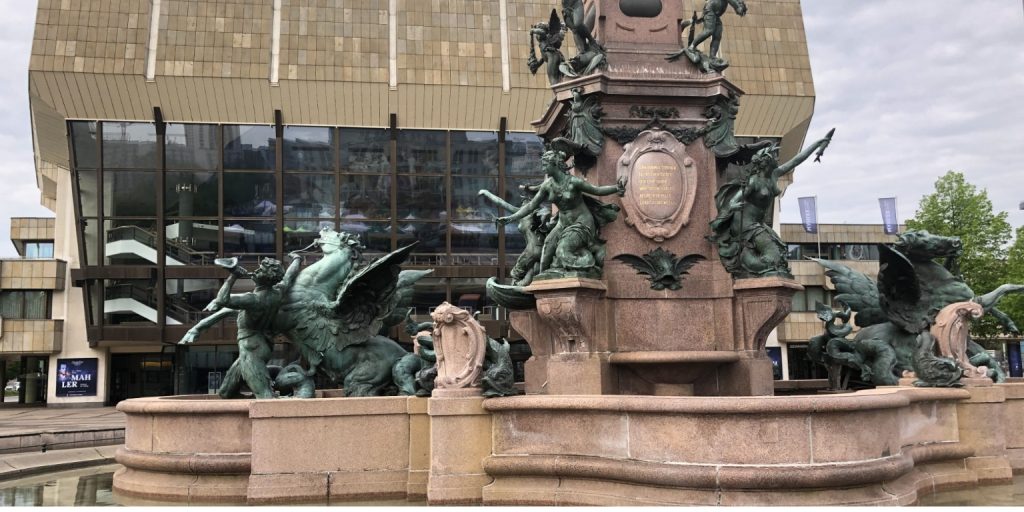
The Mendebrunnen in Krakow is a modest, elegant structure, typically featuring a stone basin and a central pillar or statue from which water flows. Its design is generally understated, allowing its historical context and symbolic meaning to come to the forefront. Unlike grand, ornate fountains found in central European squares, the Mendebrunnen’s simplicity is part of its charm, reflecting perhaps the grounded nature of the community it represents.
The very presence of a public fountain was historically important in urban centers, providing access to water for residents and sometimes serving as a meeting point. The Mendebrunnen, therefore, also functions as a reminder of the daily life and infrastructure within the Jewish Quarter. Its location within Kazimierz, a district that was once a separate town and has always maintained a distinct identity, further emphasizes its importance as a local landmark.
Kazimierz: A Living History of Jewish Krakow
The Mendebrunnen sits within Kazimierz, a district that was an independent royal city from the 14th century until the early 19th century, established by King Casimir the Great. For over 500 years, it was a thriving center of Jewish life, learning, and culture. Before World War II, it was home to one of Europe’s largest Jewish communities, boasting numerous synagogues, schools, markets, and a unique cultural vibrancy.
The fate of Krakow’s Jewish community during the Holocaust was catastrophic. The vast majority of its residents were systematically murdered by the Nazis, and the physical fabric of Kazimierz, including many of its synagogues and buildings, was devastated. After the war, for decades, Kazimierz remained largely neglected, a desolate reminder of its tragic past.
However, since the fall of communism in 1989, and particularly since the 1990s, Kazimierz has experienced a remarkable revival. Supported by local and international efforts, the district has been meticulously restored. Its historic synagogues, including the Old Synagogue, Remuh Synagogue, and Izaak Synagogue, have been preserved or revitalized. Cafes, galleries, and cultural institutions have breathed new life into its streets, making it a vibrant hub once again. The annual Jewish Culture Festival in Krakow draws thousands, celebrating the enduring legacy of Jewish culture.
A Point of Reflection in a Revitalized District
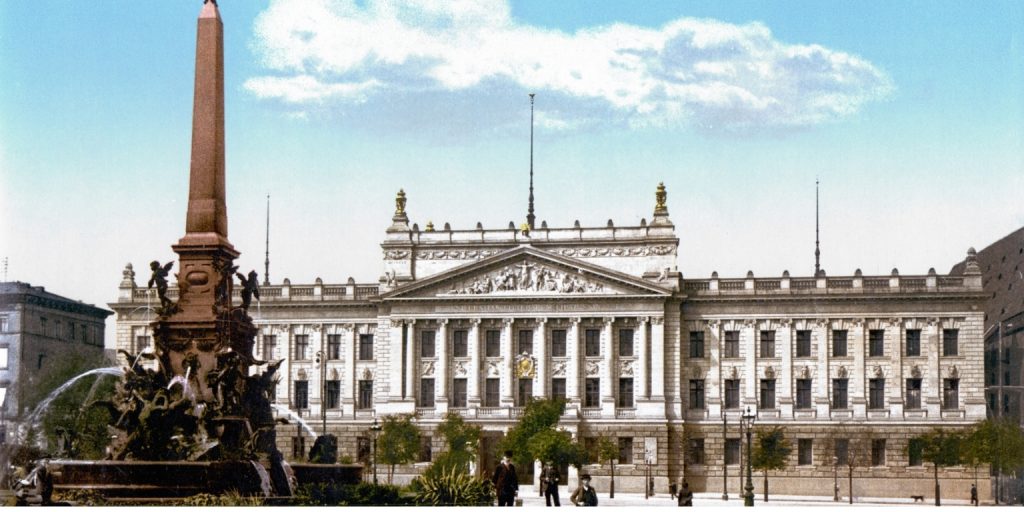
Today, the Mendebrunnen in Krakow serves as more than just a historical monument; it is a quiet point of reflection for visitors exploring Kazimierz. It stands as a tribute to Mendele Mocher Sforim’s literary contributions and, by extension, to the entire pre-war Jewish community of Krakow. Its presence reinforces the district’s identity as a place where memory is actively preserved, and where the echoes of a vibrant past continue to resonate.
Located within the picturesque and historically rich streets of Kazimierz, the Mendebrunnen is an integral part of the narrative of Jewish Krakow. It encourages visitors to delve deeper into the stories of resilience, artistry, and remembrance that define this unique quarter, making it a significant landmark for those seeking to understand the profound heritage of the city.