
Nestled within the historic heart of Lübeck, the Museum of Nature and Environment (Museum für Natur und Umwelt) offers a captivating journey through the diverse ecosystems, geological history, and ecological challenges facing Northern Germany. Far more than just a collection of static displays, this engaging museum provides a dynamic and interactive experience for visitors of all ages, fostering a deeper understanding and appreciation for the natural world that shapes the Hanseatic city and its surrounding regions. A visit to the Museum of Nature and Environment in Lübeck is an excellent way to connect with the local landscape and its vibrant biodiversity.
A Modern Museum with Historical Roots
The origins of the Museum of Nature and Environment can be traced back to the burgeoning interest in natural sciences in the 19th century. Local natural history collections and societies laid the groundwork for what would eventually become a public museum. The current institution, however, underwent significant modernization and reorganization in the late 20th and early 21st centuries to reflect contemporary environmental concerns and pedagogical approaches.
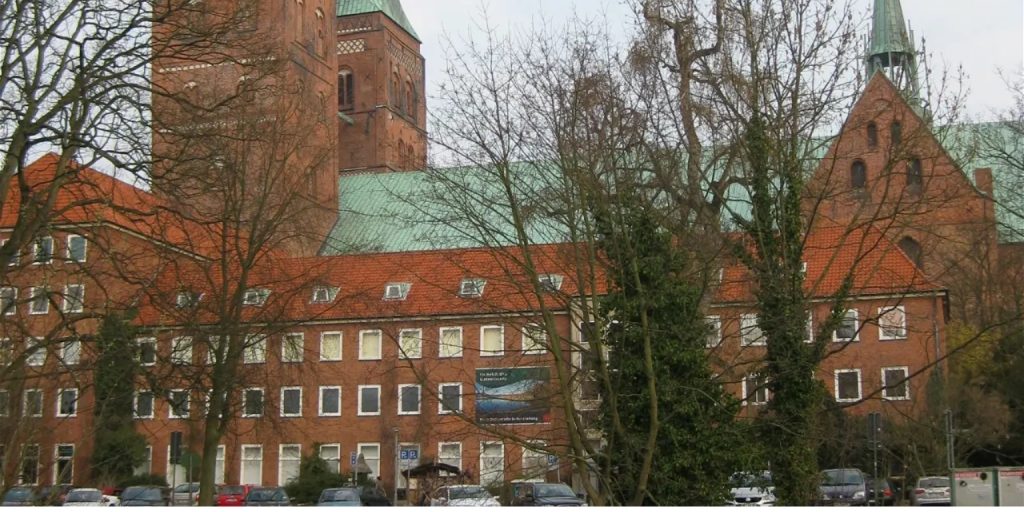
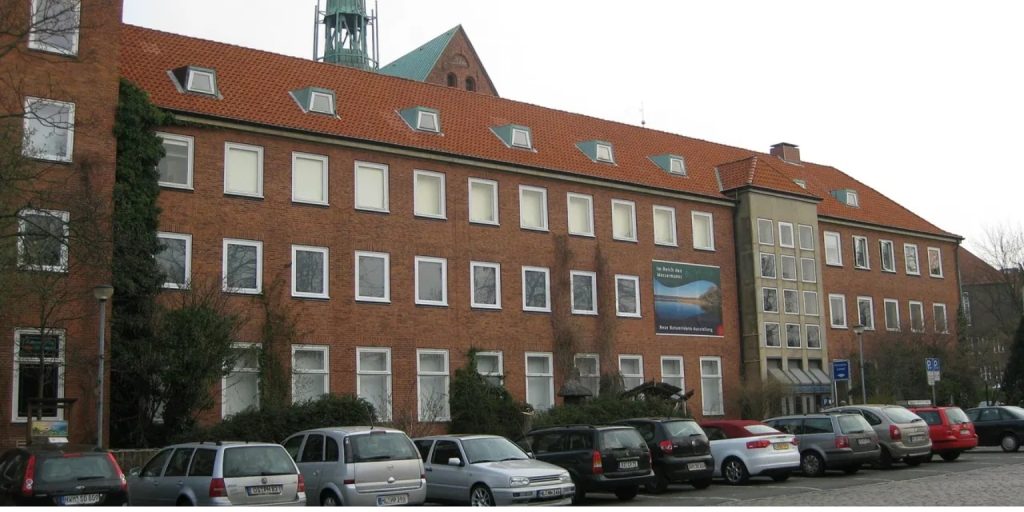
Strategically located at Musterbahn 8, 23552 Lübeck, the museum is part of Lübeck’s historical landscape, yet its focus is firmly on the living world around us. Its premises are situated near the city’s famous Holsten Gate and the Salzspeicher (salt warehouses), making it easily accessible for tourists exploring the UNESCO World Heritage Old Town.
Collections and Exhibitions: From Ice Age to Modern Day
The Museum of Nature and Environment in Lübeck boasts a rich and varied collection, meticulously presented to tell the story of the region’s natural history. The exhibitions are designed to be both informative and engaging, often employing interactive elements, dioramas, and multimedia presentations. Key areas of focus typically include:
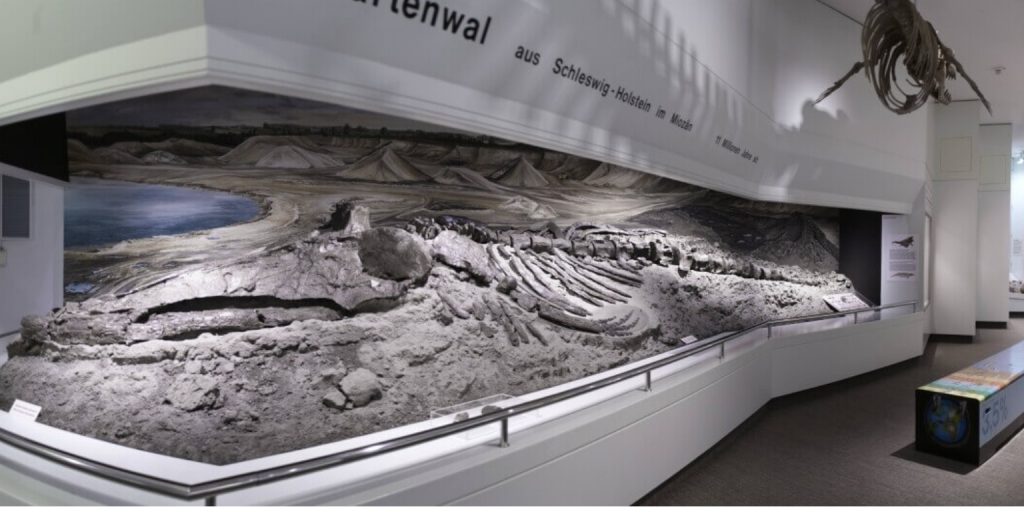
- Geological History: Delve into the fascinating geological past of Schleswig-Holstein, from the powerful forces of the Ice Age that sculpted the landscape to the formation of the Baltic Sea. Exhibits often include fossil discoveries, mineral specimens, and models illustrating geological processes. This section provides the foundational context for understanding the region’s current ecosystems.
- Regional Ecosystems: Explore the diverse habitats found in Northern Germany, including the Baltic Sea coast, the unique Wadden Sea (a UNESCO World Heritage site), forests, moors, and freshwater environments. Detailed dioramas showcase typical flora and fauna in their natural settings, bringing the landscapes to life. Visitors can learn about the birds, mammals, insects, and plant species native to the region.
- Biodiversity and Conservation: A significant portion of the museum is dedicated to the topic of biodiversity and the challenges of environmental conservation. It highlights endangered species, discusses the impact of human activity on natural habitats, and promotes sustainable practices. This section often includes compelling visuals and real-world examples of local conservation efforts.
- Human-Environment Interaction: The museum also examines the relationship between humans and their environment throughout history in the Lübeck area. This can include historical fishing practices, agricultural development, and the growth of urban areas, showing how human societies have shaped and been shaped by the natural world.
- Temporary Exhibitions: In addition to its permanent displays, the museum frequently hosts temporary exhibitions on a wide range of natural and environmental themes, often featuring contemporary scientific research or pressing ecological issues.
Educational Role and Community Engagement
The Museum of Nature and Environment in Lübeck plays a crucial role in environmental education for both locals and visitors. It is a popular destination for school groups, providing hands-on learning experiences that complement classroom studies. By making complex scientific concepts accessible and engaging, the museum aims to foster environmental awareness and inspire stewardship of the natural world.
Its dedication to regional ecology makes it a valuable resource for understanding the specific environmental challenges and successes pertinent to the Baltic Sea region. The museum contributes to local scientific research by maintaining its extensive collections and often collaborates with universities and conservation organizations.
With its diverse collections, interactive displays, and focus on regional ecosystems, it offers a vital educational experience for all ages, reinforcing Lübeck’s commitment to both its historical heritage and its natural surroundings. It’s a must-visit for anyone seeking a deeper appreciation of the living world in and around this magnificent Hanseatic city.