
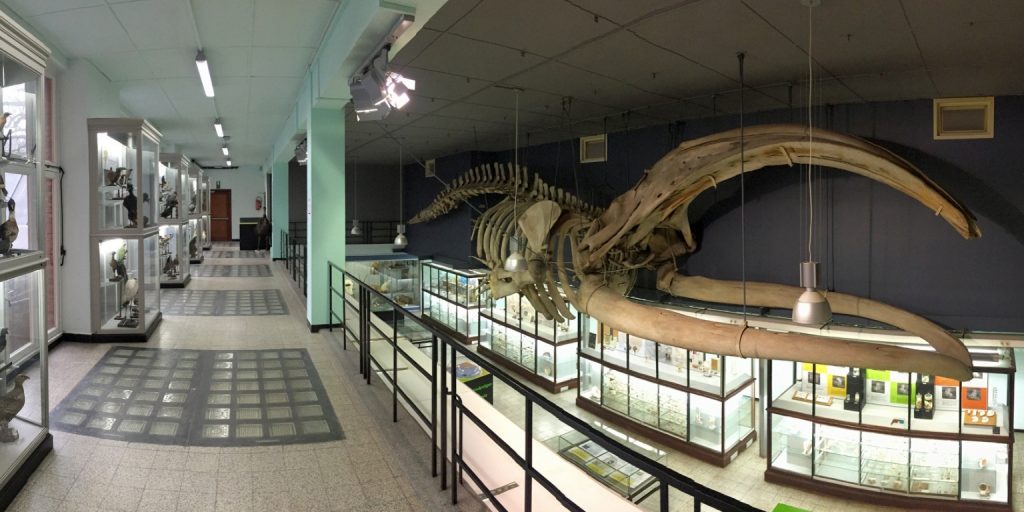
Nestled within the academic heart of Leuven, a city renowned for its historic university, lies the Museum voor Dierkunde (Museum of Zoology). While not a large public institution in the vein of a national natural history museum, it holds immense scientific and historical significance as a vibrant part of the KU Leuven’s Department of Biology. This unique museum offers a fascinating window into the evolution of zoological study and showcases an impressive collection of specimens, serving as a vital resource for teaching, research, and, by special arrangement, public appreciation of the natural world.
A Legacy of Scientific Discovery at KU Leuven
The history of the Museum voor Dierkunde in Leuven is inextricably linked to the Katholieke Universiteit Leuven (KU Leuven), one of Europe’s oldest and most prestigious universities, founded in 1425. As zoology emerged as a distinct scientific discipline in the 18th and 19th centuries, universities began to build extensive collections of animal specimens for study and teaching purposes. The roots of the Leuven collection date back to this period, accumulating specimens through expeditions, donations, and exchanges.
The museum’s core purpose has always been to support academic instruction and scientific research within the university’s biology department. Over the decades, generations of students and researchers have utilized its vast array of specimens to understand animal anatomy, diversity, evolution, and ecology. The Museum voor Dierkunde collection provides an invaluable historical record of faunal distribution and biological change over time.
A Rich and Diverse Collection
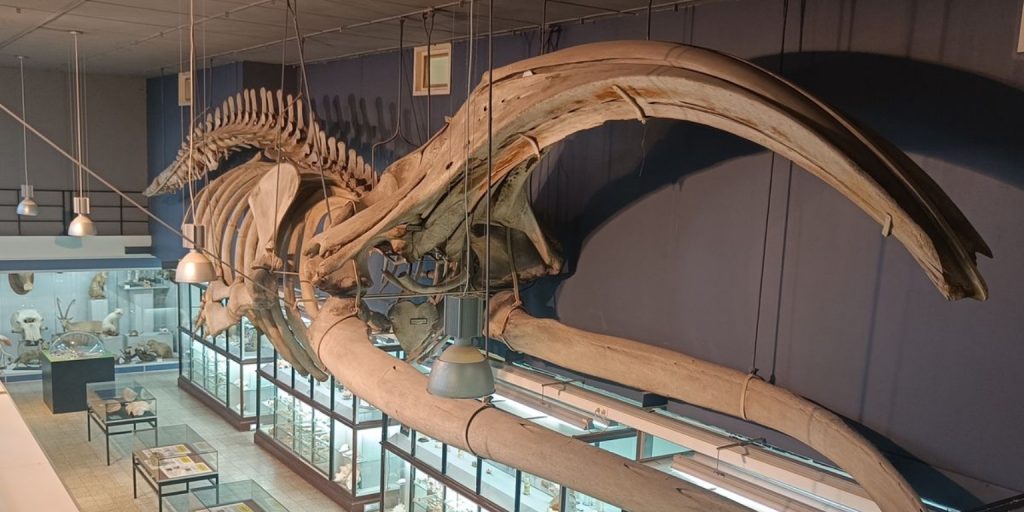
The Museum voor Dierkunde houses a remarkably diverse collection, featuring tens of thousands of specimens spanning various animal phyla. The collection is particularly strong in certain areas, reflecting historical research interests and acquisition opportunities:
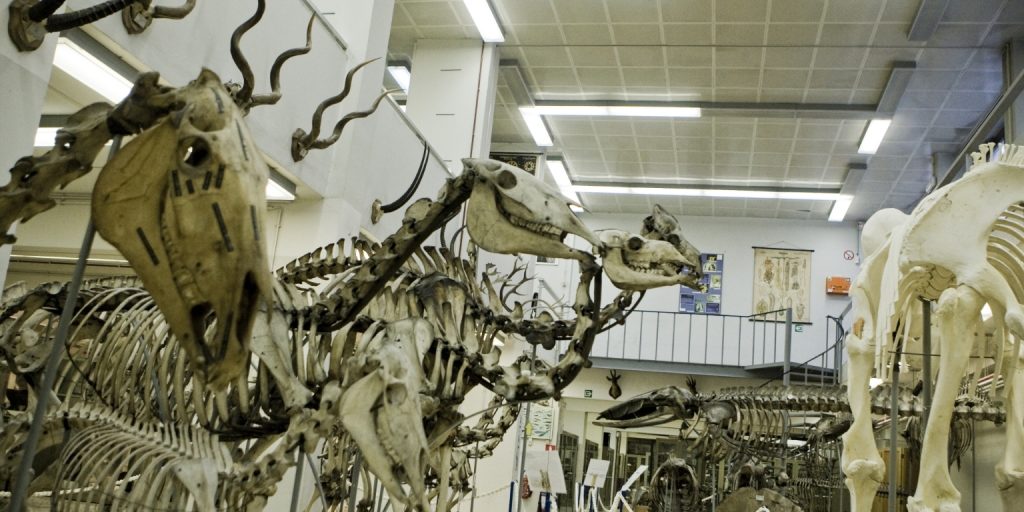
- Mammals: Skeletons, taxidermied specimens, and study skins of a wide range of mammals, from small rodents to large ungulates and primates. These specimens are crucial for comparative anatomy and evolutionary studies.
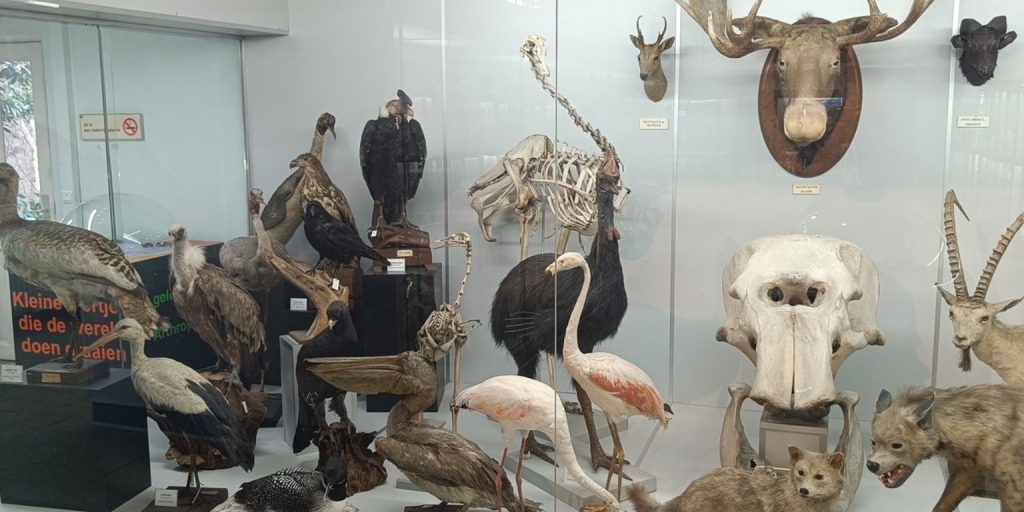
- Birds: An extensive ornithological collection, including a vast array of bird skins and mounted specimens, many of historical significance, showcasing global avian diversity.
- Fish: Preserved fish specimens, often in fluid, illustrate the aquatic biodiversity of various regions.
- Reptiles and Amphibians: Collections that provide insights into herpetological diversity.
- Invertebrates: While less prominently displayed for general visitors due to their sheer number and specialized nature, the museum also holds significant collections of insects, mollusks, and other invertebrate groups, crucial for entomological and malacological research.
Many of the specimens are taxidermied, representing the historical methods of biological preservation. These older preparations, while perhaps not meeting modern aesthetic standards for public display, hold immense scientific value as historical records. The Museum voor Dierkunde collection includes specimens from early scientific expeditions, providing a tangible link to the pioneers of zoology.
Primarily a Teaching and Research Resource
Unlike many large-scale natural history museums that are designed for broad public access and grand exhibitions, the Museum voor Dierkunde in Leuven primarily functions as a scientific teaching and research collection. It is an integral part of the KU Leuven Faculty of Science, specifically located within the Department of Biology’s Zoology Research Unit.
Its main users are university students, particularly those studying biology, ecology, and related fields, who utilize the specimens for practical classes, thesis research, and species identification. Researchers from KU Leuven and other institutions also access the collection for comparative studies, genetic analysis (from older specimens), and historical ecological investigations.
Accessibility and Future Vision
Given its primary academic function, the Museum voor Dierkunde in Leuven is generally not open for spontaneous public visits in the same way a commercial museum would be. However, it does periodically organize special open days, guided tours, or events for the public, often as part of university-wide initiatives or during European Heritage Days. These rare opportunities allow the public to explore this hidden gem and appreciate its scientific treasures. For specific research inquiries or educational visits, it is advisable to contact the KU Leuven Department of Biology directly.
The museum is continually being cataloged, digitized, and maintained by dedicated staff and researchers, ensuring its long-term preservation and accessibility for future generations of scientists. It stands as a silent but powerful repository of knowledge, embodying KU Leuven’s commitment to advancing scientific understanding and preserving the natural heritage of our planet.
The Museum voor Dierkunde in Leuven, an integral part of KU Leuven’s Department of Biology, holds a historically significant collection of zoological specimens. While primarily serving academic purposes for teaching and research, this institution provides a unique and invaluable insight into biodiversity and the scientific pursuit of knowledge within the heart of a truly historic university city.