
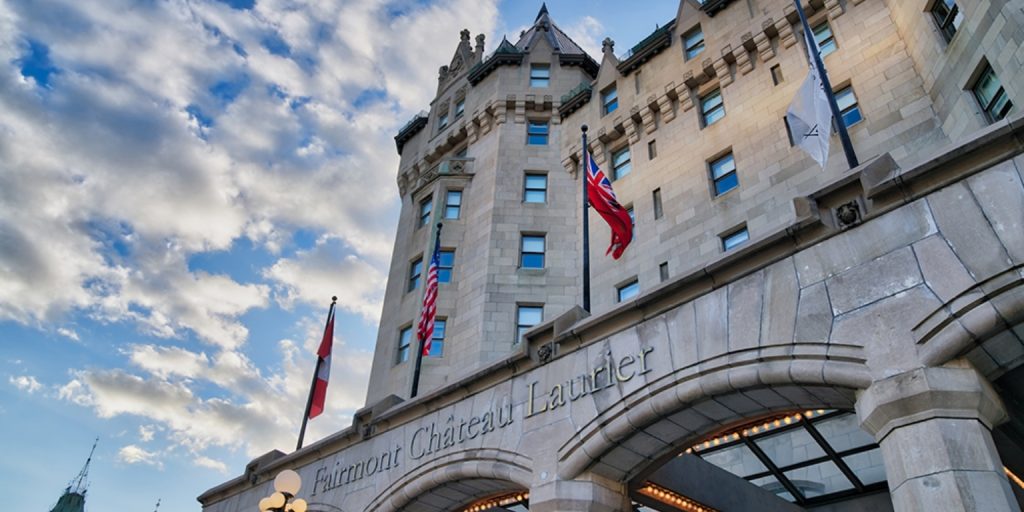
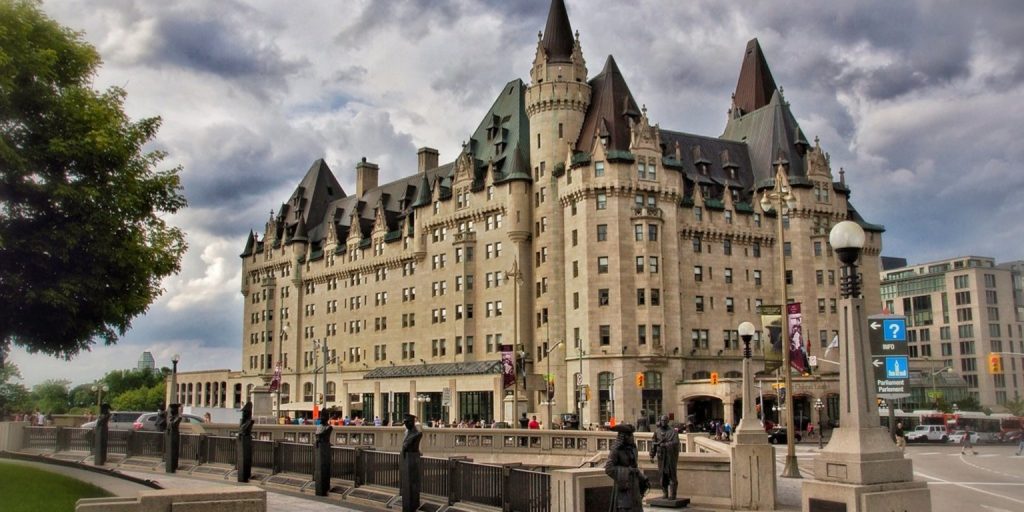
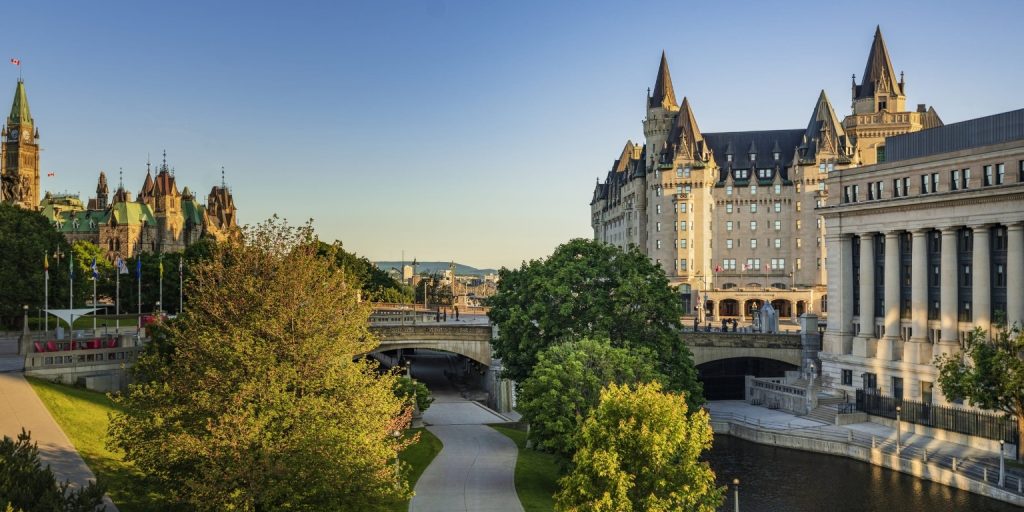
Standing majestically at the confluence of the Ottawa River and the Rideau Canal, the Fairmont Château Laurier Hotel in Ottawa is a national icon, a fortress of luxury and a keeper of Canadian history. With its steep roofs, turrets, and intricate stone facade, the hotel’s architecture evokes a sense of French romance and grandeur. More than just a place to stay, this historic château is a living monument to the nation’s past, its political life, and a story forever linked to one of the most famous maritime tragedies in history. For anyone visiting Canada’s capital, a glimpse of the Château Laurier is a glimpse into the very soul of the city.
A Vision Born of the Railway Age
The history of the fairmont-chateau-laurier-hotel-in-ottawa begins with the ambition of the railway barons of the early 20th century. Commissioned by Charles Melville Hays, the American-born general manager of the Grand Trunk Railway, the Château Laurier was envisioned as the flagship hotel of a chain of luxury accommodations designed to encourage travel along the railway’s transcontinental routes. The hotel was constructed between 1908 and 1912, and its design, by the architectural firm of Ross and MacFarlane, was a masterful example of the Châteauesque style. This style, inspired by the French Renaissance châteaux of the Loire Valley, was intentionally chosen to complement the nearby Gothic Revival architecture of the Parliament Buildings, creating a harmonious and uniquely Canadian architectural landscape.
However, the hotel’s grand opening in April 1912 was shrouded in tragedy. Hays, returning from a business trip in Europe with the final touches for his dream hotel, was aboard the RMS Titanic when it sank. Hays perished in the disaster, just days before he was to preside over the Château’s official opening. The ceremony was subsequently delayed, and when it finally took place in a more subdued manner in June, the guest of honor was Prime Minister Sir Wilfrid Laurier, the man for whom the hotel was named.
The “Third Chamber of Parliament”
From the moment it opened its doors, the Fairmont Château Laurier Hotel in Ottawa became the epicenter of the city’s political and social life. It quickly earned the nickname “the third chamber of Parliament” because of the countless politicians who have roamed its corridors, held private meetings in its rooms, and hammered out political deals over dinner in its restaurants. It has hosted a who’s who of global dignitaries, from Winston Churchill and Queen Elizabeth II to Nelson Mandela, as well as a long list of film stars and celebrities.
The hotel’s connection to famous figures extends beyond politics and royalty. The renowned portrait photographer Yousuf Karsh lived and worked in a suite at the hotel for 18 years, using his studio to capture iconic images of international celebrities, artists, and leaders. His legacy is still honored at the hotel today, with a number of his portraits on display. In recognition of its profound historical and cultural importance, the hotel was designated a National Historic Site of Canada in 1980.
An Enduring Icon of Elegance and Legacy
Today, the Fairmont Château Laurier continues its tradition as Ottawa’s premier luxury hotel. Its interior is a blend of historic grandeur and modern sophistication, featuring elegant ballrooms, fine dining establishments, and a renowned Art Deco pool. Beyond its walls, the hotel’s influence is so pervasive that it even served as the architectural inspiration for the “Hotel du Canada” at Epcot in Walt Disney World.
Fairmont Château Laurier Hotel is more than just a place of luxury; it is a vital part of the city’s identity. It is a symbol of a bygone era of railway expansion, a silent witness to a century of Canadian politics, and a keeper of countless stories both grand and personal. Its presence on the Ottawa skyline is a reminder of the power of a single man’s vision and the enduring legacy of a nation’s history.