
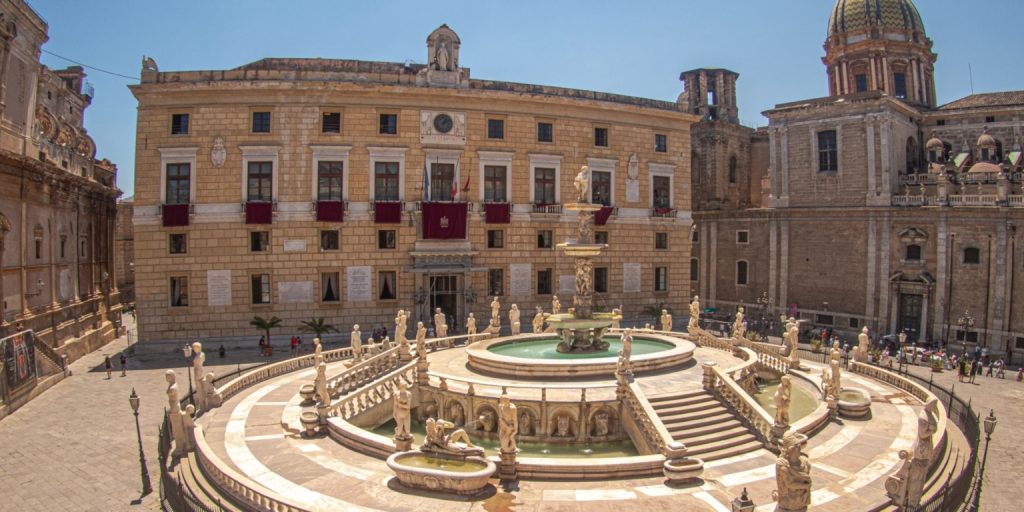
In the bustling heart of Palermo, a city where every street and building whispers a story, stands an architectural jewel that bridges centuries of history. The Palazzo Bonocore in Palermo, located on the edge of the magnificent Piazza Pretoria, is more than a beautiful building; it is a living portal to the city’s vibrant past. With a stunning view of the famous Fontana Pretoria, the palace has been transformed from a private residence into a dynamic cultural hub, offering visitors a unique and immersive journey into the very soul of the city.
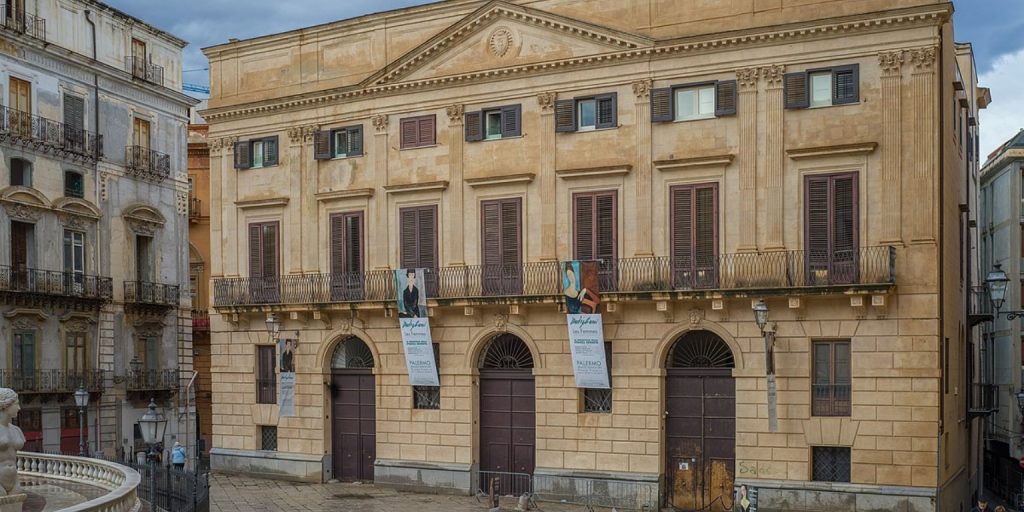
A Noble History and Neoclassical Grace
The story of Palazzo Bonocore is as rich and complex as Palermo’s own. Originally built in the 16th century, the palace has changed hands many times over the centuries, each owner leaving a mark on its evolving architecture. It was during the 18th and 19th centuries that the palace was extensively renovated, giving it the elegant Neoclassical facade it presents today. This architectural style, with its clean lines and balanced proportions, stands in beautiful contrast to the surrounding Baroque and Gothic-Catalan buildings, a testament to Palermo’s layered history.
Inside, the palace reveals its past life as a noble residence. The main level is adorned with exquisite 18th-century frescoes on the ceilings, depicting idyllic countryside scenes, classical gods, and allegories of the four seasons. These stunning works of art provide a glimpse into the lavish lifestyle of the families who once called the palazzo home. Today, these rooms serve as the backdrop for a modern and innovative cultural experience, seamlessly blending the old with the new.
“Palermo Felicissima”: A Celebration of the Belle Époque
The modern mission of the Palazzo Bonocore in Palermo is to be a cultural “compass” in the city’s heart. It fulfills this mission through its main attraction: the multimedia exhibition “Palermo Felicissima,” which translates to “Most Happy Palermo.” This exhibition is an extraordinary journey back in time, chronicling a pivotal period in the city’s history—the Belle Époque of the late 19th and early 20th centuries.
Through a mix of historical artifacts, immersive installations, and cutting-edge digital technology, “Palermo Felicissima” tells the story of an era when the city experienced a boom in industry, commerce, and culture. It was a time when wealthy entrepreneurial families, often from abroad, played a key role in urban and economic development, transforming Palermo into a cosmopolitan hub. The exhibition celebrates this spirit of progress, showcasing the art, urban planning, and technological advancements that made Palermo “most happy” during this prosperous period. It is a powerful narrative about resilience, innovation, and civic pride that resonates deeply with visitors.
A Cultural Hub for Locals and Travelers
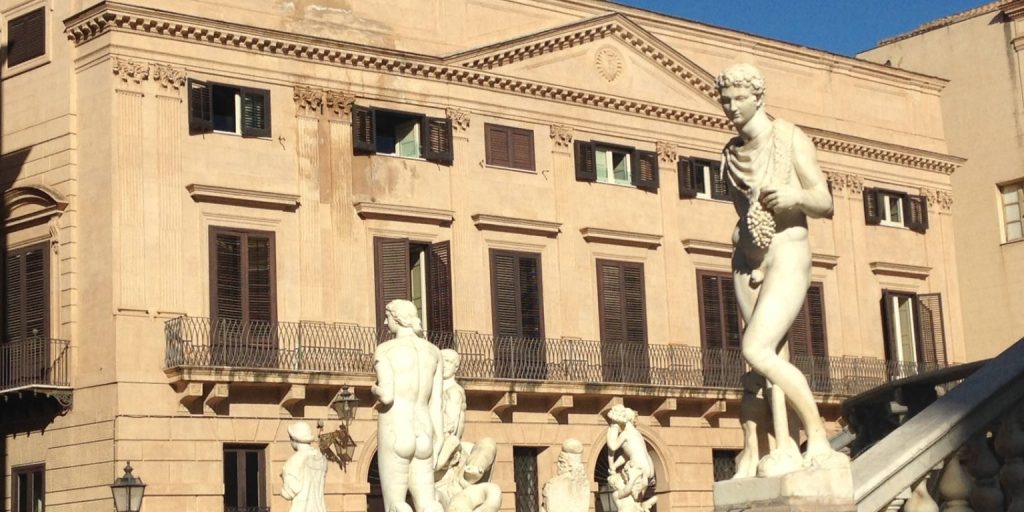
The revitalization of Palazzo Bonocore has transformed it from a forgotten noble residence into a dynamic and accessible public space. Its location on Piazza Pretoria, a square often nicknamed the “Fountain of Shame” for its beautiful but nude sculptures, ensures a steady stream of visitors. The palazzo is open to the public, with an admission fee that grants access to the “Palermo Felicissima” exhibition. For travelers interested in Sicilian culture, history, and art, it offers a deeply rewarding and informative experience.
In addition to the exhibition, the palazzo also houses the Café Bonocore, a charming spot with a view of Piazza Pretoria, perfect for a coffee or a traditional Sicilian pastry. The presence of a café, along with the hosting of various events, reinforces the building’s new role as a meeting place and a center for cultural exchange. The Palazzo-Bonocore-in-palermo is a powerful testament to the city’s ability to honor its past while embracing the future, making it an essential stop for anyone seeking to understand the unique and vibrant soul of Palermo.