
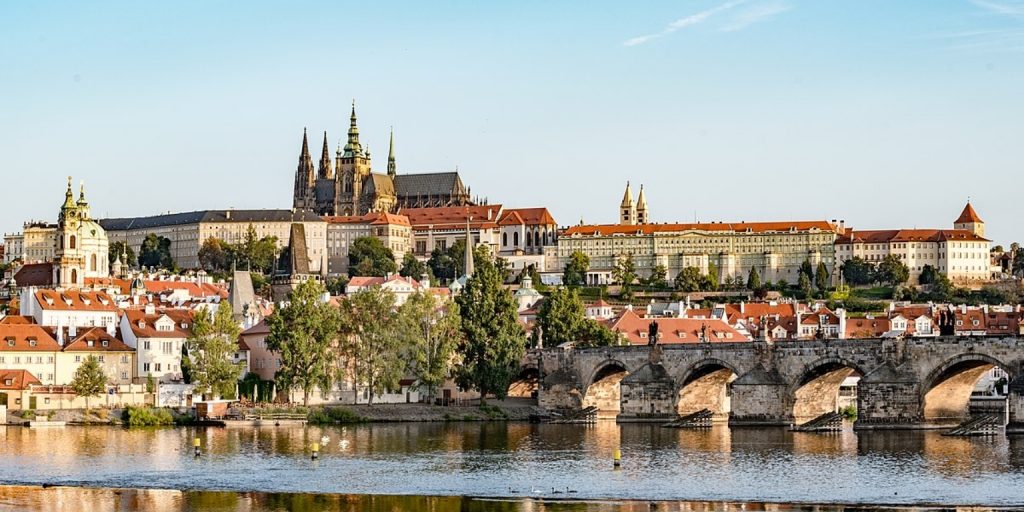
Standing majestically on a hill overlooking the Vltava River, Prague Castle is more than just a fortress; it is a sprawling complex of palaces, churches, courtyards, and gardens that serves as a powerful symbol of the Czech state. As the largest coherent castle complex in the world and a UNESCO World Heritage site, this iconic landmark has been the seat of Czech kings, Holy Roman emperors, and modern-day presidents for over a millennium. A visit to Prague Castle is not merely a tour of a single building, but a journey through a thousand years of history, art, and legend.
A Millennium of History
The story of Prague Castle began around the year 880 with its founding by Prince Bořivoj. Over the centuries, each ruling dynasty added their own architectural layer, transforming it from a simple wooden fortress into a vast, stone-walled city. The result is a stunning blend of architectural styles, from the Romanesque foundations to the soaring Gothic spires, the elegant Renaissance facades, and the stately Baroque palaces. This rich architectural tapestry reflects the complex and dynamic history of the Czech nation.
The castle’s political and spiritual significance grew in tandem. For centuries, it was not only the seat of power but also the burial ground for Bohemian monarchs and the keeper of the coveted Czech Crown Jewels. Its walls have witnessed coronations, uprisings, and moments that have shaped the very destiny of Europe, including the famous Defenestration of Prague in 1618 that sparked the Thirty Years’ War.
The Architectural Crown Jewels
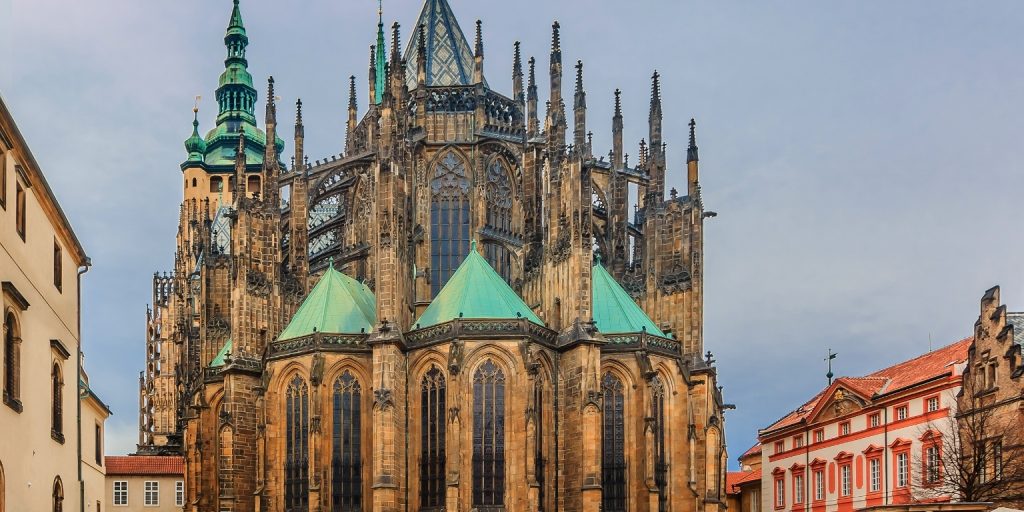
Within the castle complex, four main landmarks stand out as essential parts of the visitor’s experience, all accessible with a single “Prague Castle – Circuit” ticket. The most dominant is the colossal St. Vitus Cathedral. A breathtaking masterpiece of Gothic architecture, its construction began in the 14th century and wasn’t truly completed until 1929. Its stunning stained-glass windows, intricate stone carvings, and the royal mausoleum make it the spiritual heart of the nation. For a breathtaking panoramic view of the city, visitors can climb the cathedral’s Great South Tower.
A short walk from the cathedral leads to the Old Royal Palace. This ancient residence of Bohemian rulers is home to the magnificent Vladislav Hall, an impressive space with a remarkable vaulted ceiling that showcases a seamless transition from Gothic to early Renaissance styles. It was once used for jousting tournaments and is still used for presidential inaugurations today.
The Charm of a Bygone Era
The castle grounds are a treasure trove of historical gems. The St. George’s Basilica, with its stark Romanesque interior, is the oldest church in the complex and provides a serene counterpoint to the grandeur of the cathedral. Just beyond it lies the enchanting Golden Lane, a small street of colorful cottages originally built for castle marksmen. Over time, it housed goldsmiths and other artisans, and its most famous resident was none other than the writer Franz Kafka, who lived in house No. 22 for a period. Today, the houses are a charming glimpse into the lives of the castle’s servants and residents, with many converted into unique shops.
For visitors, the entire Prague Castle complex is a captivating space to explore. The main courtyards are freely accessible, allowing you to witness the famous ceremonial Changing of the Guard at noon. Whether you choose to explore the grand palaces or simply wander the ancient streets, this monument offers a unique journey into the soul of Prague. The sheer size and historical weight of Prague Castle make it not just a tourist attraction, but a living testament to the enduring power and rich heritage of the Czech Republic.