
The Sonian Forest is a protected area and a significant part of the UNESCO World Heritage site known as the “Ancient and Primeval Beech Forests of the Carpathians and Other Regions of Europe.” This designation highlights its global importance as one of the last remaining examples of old-growth beech forests on the European continent. While a majority of the current trees are not as old as those in other primeval forests, the forest has retained its ecological continuity and is a testament to the European beech’s remarkable ability to thrive and regenerate.
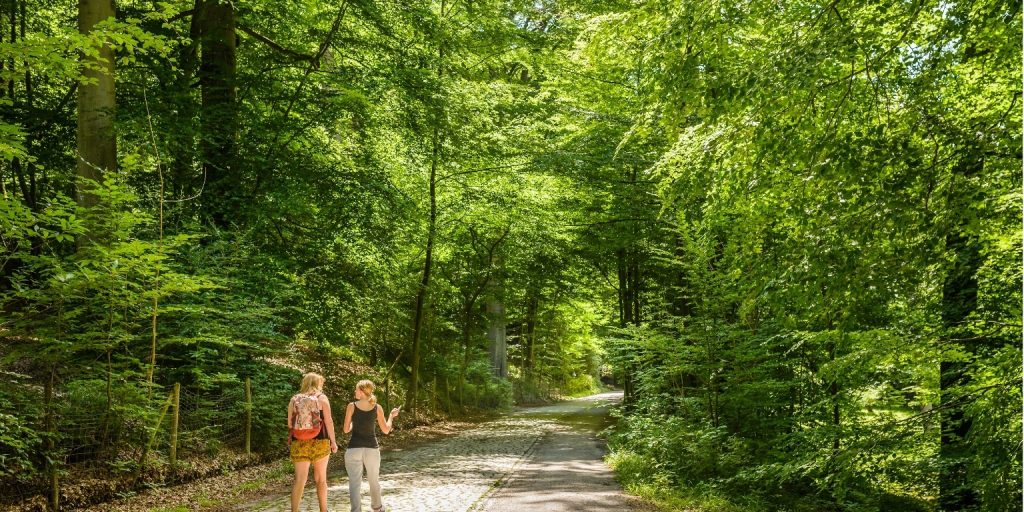
The forest’s landscape is dominated by majestic European beeches (Fagus sylvatica), many of which are over 200 years old. These trees, with their smooth, gray bark and towering canopies, create a unique and often ethereal atmosphere. The forest floor is relatively clear of undergrowth, a result of the dense shade cast by the beeches, which allows for a clean, open space that is perfect for walking, running, and cycling. The forest is also home to other tree species, including oak, ash, and sycamore, which contribute to its diverse ecosystem.
A Rich and Layered History
The Sonian Forest has played a significant role in the history of the region for centuries. It is the last remaining piece of the Carbonaria Silva, an enormous forest that stretched from the Ardennes to the North Sea in Roman times. Throughout the Middle Ages, the forest was a royal hunting ground for the Dukes of Brabant, and later for the Dukes of Burgundy and the Habsburg rulers. Its rich game, including wild boar and deer, made it a favored retreat for nobility.
In the 18th century, under Austrian rule, the forest was systematically managed for timber production, which led to the planting of the magnificent beech trees that define the landscape today. However, over time, the forest’s importance as a natural heritage site was recognized, and efforts shifted towards conservation. Today, it is carefully managed to balance public access with ecological preservation.
The forest is also dotted with historical landmarks. The Abbaye de Groenendael (Groenendaal Priory) and the Prieuré de Rouge-Cloître (Rouge-Cloître Priory) are two former monastic sites that are now cultural and artistic centers, adding a layer of historical intrigue to the natural beauty. The Lion’s Mound, a monument commemorating the Battle of Waterloo, is also located on the edge of the forest, a powerful reminder of the region’s military history.
A Haven for Recreation and Biodiversity
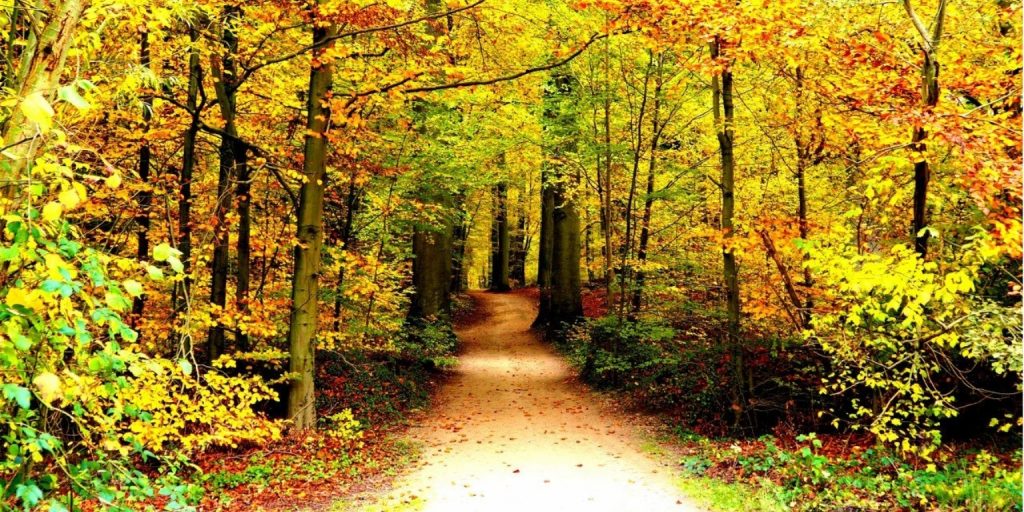
The Sonian Forest is a paradise for outdoor enthusiasts. Its extensive network of over 4,400 hectares of well-marked trails caters to hikers, joggers, and cyclists of all skill levels. Horseback riding is also a popular activity, with dedicated bridle paths weaving through the trees. In the winter, when a thick layer of snow covers the ground, the forest transforms into a winter wonderland, ideal for cross-country skiing.
Beyond its recreational value, the forest is a critical habitat for a wide variety of wildlife. While large game is rare, the forest is home to deer, foxes, badgers, and a diverse range of bird species. The dense canopy and protected environment create a stable ecosystem that supports many species that have disappeared from more developed areas.
The Sonian Forest is a truly special place that embodies the spirit of conservation and the value of green spaces in a modern urban environment. It is a living monument to nature’s power and resilience, providing a vital sanctuary for both wildlife and people. Whether you are looking for a vigorous hike, a peaceful stroll, or simply a place to breathe in fresh air, the Sonian Forest offers a profound and rejuvenating experience.