
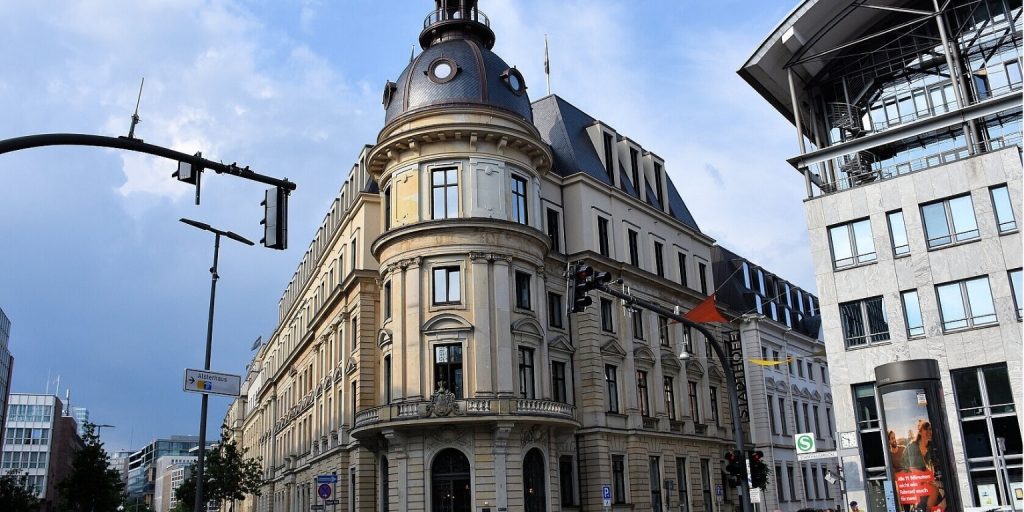
The Stadthaus in Hamburg is a landmark of profound historical significance. Situated near the city center on the Stadthausbrücke, this imposing building is a powerful symbol of Hamburg’s complex 20th-century history. While it may appear at first glance to be an ordinary office building, its walls hold a dark and crucial story. Once the headquarters of the Gestapo in Hamburg, it has since been transformed into a place of remembrance and a modern center for civic life, bridging a difficult past with the city’s future.
From Public Office to Place of Terror
The history of the Stadthaus dates back to the early 20th century. Constructed between 1910 and 1914, it was originally designed to house several Hamburg government offices, including the police headquarters and various administrative departments. It was a stately, seven-story building that embodied the architectural trends of its time and was a central hub for the city’s bureaucratic operations.
However, the building’s function took a sinister turn in 1933 with the rise of the Nazi regime. The new regime’s secret state police, the Gestapo, took over a large portion of the Stadthaus and made it their main headquarters for Hamburg and northern Germany. For the next twelve years, the building became a place of fear and terror. The Gestapo used the Stadthaus as a central location for political persecution, interrogation, torture, and detention.
Countless citizens who resisted the regime, including political opponents, artists, and anyone deemed “undesirable,” were brought here and subjected to inhumane treatment before being sent to concentration camps. The building was also the site of the notorious “Kriegs-Sondergericht,” or special war tribunal, where political sentences were handed down.
The Stadthaus stands as a stark reminder that the atrocities of the Nazi regime were not confined to concentration camps but were planned and executed in the heart of urban centers across Germany. The building itself became a physical symbol of the regime’s control and oppression over the city’s population.
A Transformation and Rebirth
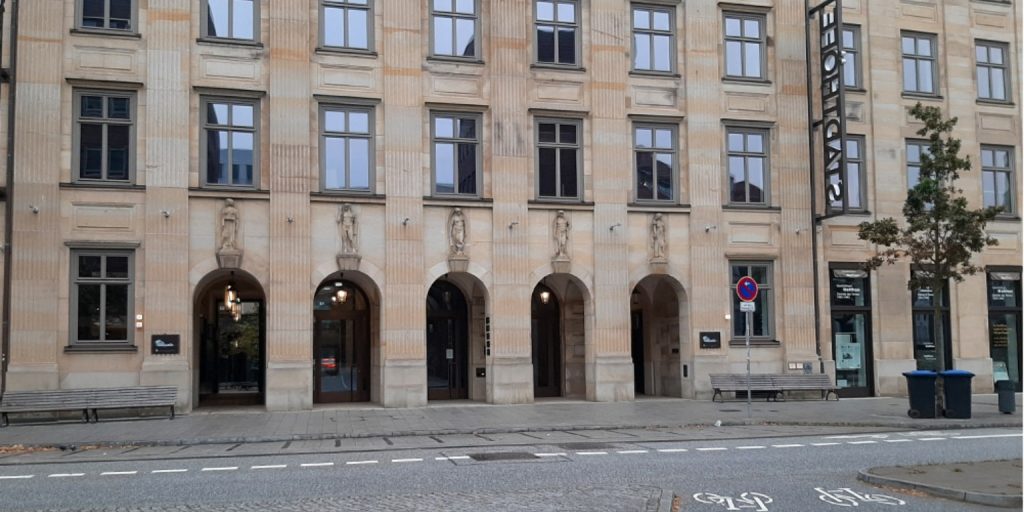
Following the end of World War II, the Stadthaus suffered severe damage from Allied bombing but was not completely destroyed. It was repaired and once again used by various city and police departments. For decades, the building’s dark history was largely unacknowledged in its public-facing function.
However, in the late 20th century, a growing movement in Hamburg called for a more explicit commemoration of the building’s past. A public debate led to the decision to create a memorial on the site. In 2001, a permanent exhibition was opened within the building, dedicated to honoring the victims of Nazi terror in Hamburg. This powerful memorial, located in a part of the building that once housed Gestapo offices, tells the stories of those who were persecuted and provides historical context for the events that took place within its walls.
The exhibition uses a variety of media, including personal accounts, photographs, and documents, to ensure that the memory of the victims is preserved and that the lessons of history are not forgotten.
A Modern-Day Landmark of Remembrance
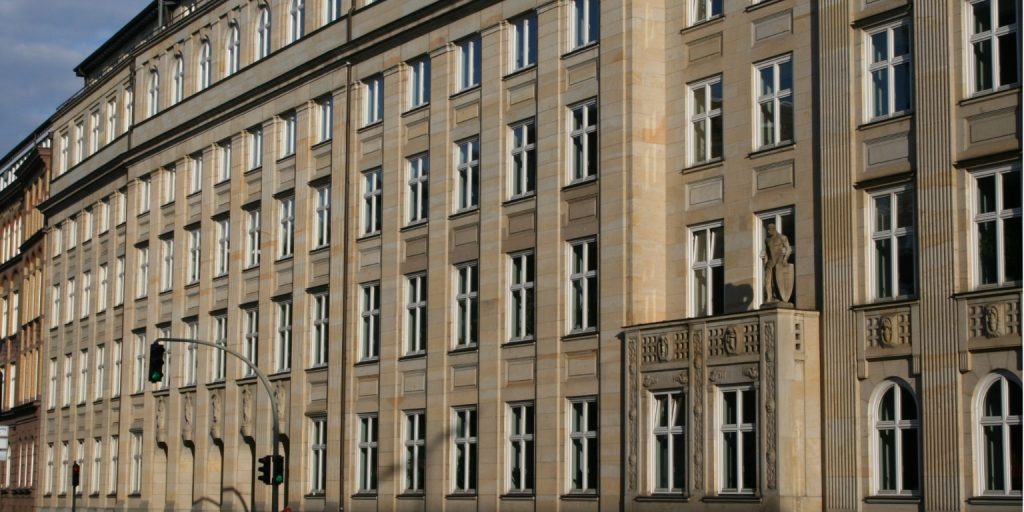
Today, the Stadthaus is a complex institution that serves multiple purposes. It continues to house various city offices and private companies, but it is also a place for education and commemoration. The memorial is open to the public and is an important part of Hamburg’s educational curriculum for schools, ensuring that new generations understand this difficult chapter of their city’s history. The blend of a modern, functional office building and a solemn place of remembrance creates a powerful and unique atmosphere.
The Stadthaus stands as a compelling symbol of a city’s willingness to confront its past. The decision to integrate a memorial within a working building, rather than just erecting a separate monument, is a statement that history is a living part of the present. It is a constant, visible reminder that human rights and freedom must be protected. For visitors and residents, a walk by the Stadthaus is a chance to reflect on the fragility of democracy and the importance of memory, making it a truly essential landmark in the urban landscape of Hamburg.