
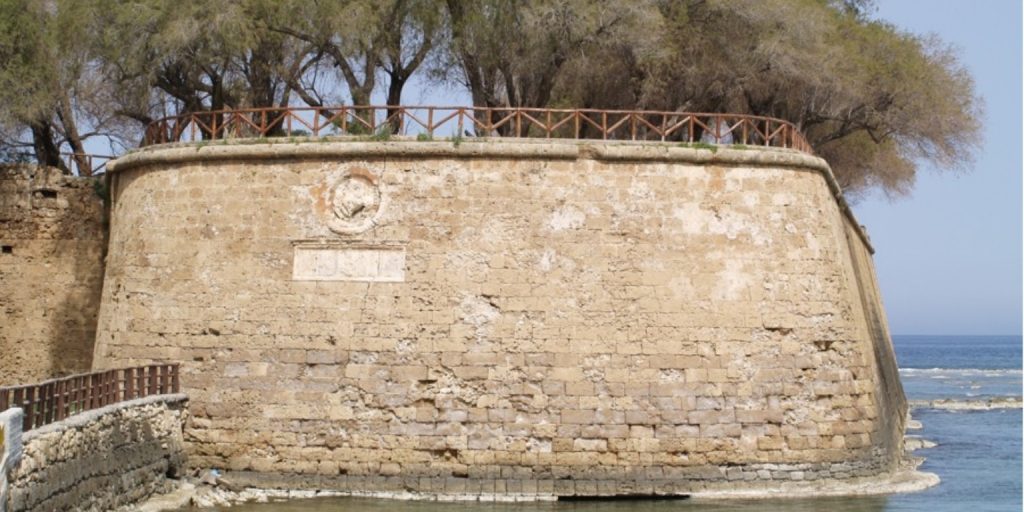
The name Koum Kapi is a fascinating blend of history and language. It is derived from the Turkish phrase “Kum Kapısı,” which means “Gate of Sand.” This name refers to the Venetian fortifications that once enclosed the city. The gate, originally known in Venetian as “Porta Sabbionara” (also meaning Gate of Sand), was a crucial entry point through the eastern walls, leading to a beautiful sandy beach that gave the area its name. The Sabbionara Bastion, part of these old walls, still stands today, bearing the magnificent coat of arms of Venice and reminding visitors of the city’s complex and layered past.
However, the history of Koum Kapi is not solely defined by the Venetians and Ottomans. In the mid-19th century, during the final decades of Ottoman rule, the area was a place of residence for thousands of impoverished people from North Africa, mainly Bedouins. Brought to the city to perform manual labor at the nearby harbor, these individuals, locally known as “Halikoutides,” lived in makeshift huts and tents, creating a settlement that was essentially a slum.
A Transformation and Rebirth
The fortunes of Koum Kapi began to change dramatically after the reunion of Crete with Greece in 1913. The impoverished North African residents gradually returned to their homelands, and local authorities began a concerted effort to regenerate the area. This transformation was further accelerated in 1924, when a large number of Greek refugees from Asia Minor, displaced by the catastrophic wars and population exchanges with Turkey, were resettled in Chania. Many of these refugees found a new home in Koum Kapi.
Their resilience and entrepreneurial spirit, coupled with government support, led to a rapid improvement in living conditions. These new residents, many of whom were educated traders and artisans, contributed significantly to the area’s development. Over the decades, the neighborhood evolved from a shantytown into a respectable and desirable part of the city, becoming what we know today as one of Chania’s most charming districts.
Modern Koum Kapi: A Seaside Vibe
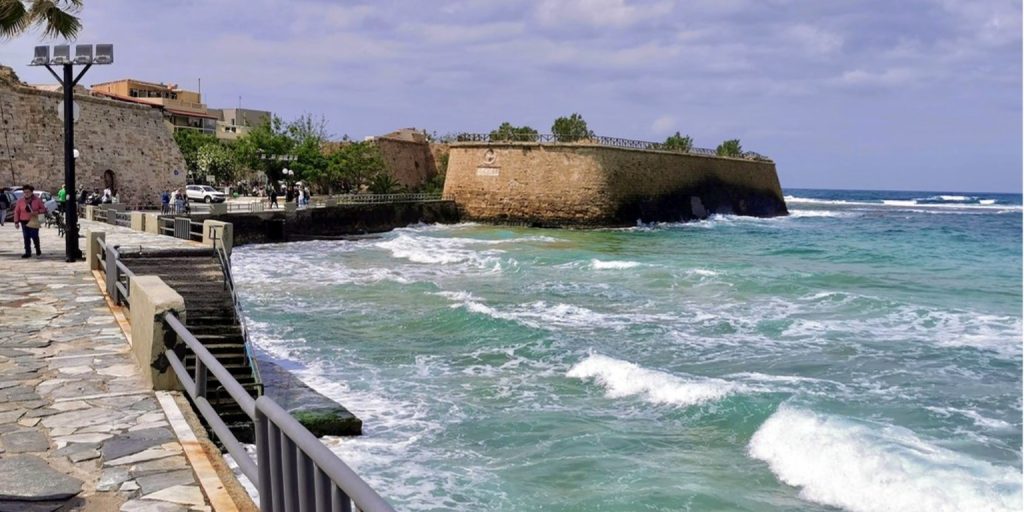
Today, Koum Kapi is defined by its vibrant coastal promenade. Lined with a continuous row of cafes, bars, and restaurants, the area is a favorite spot for locals, especially in the evenings. The terraces of these establishments are packed with people enjoying a coffee, a meal, or a drink while taking in the magnificent elevated view of the sea. The atmosphere is relaxed and social, offering a more contemporary alternative to the historic but often crowded Venetian Harbor.
The area is a microcosm of Chania’s social life. During the day, it is a place for leisurely walks, morning coffees, and a quiet moment by the sea. By night, it buzzes with energy, attracting a younger crowd and families alike. The beach below the promenade, while not as grand as some of Crete’s more famous beaches, offers a small sandy stretch for sunbathing and a refreshing swim, adding to the area’s relaxed seaside vibe. The fact that the beach has recently been declared safe for swimming after years of environmental efforts is a symbol of the neighborhood’s continued renewal.
Visit Koum Kapi through World City Trail!
Koum Kapi is also home to other notable landmarks. The East Moat Theater, an open-air venue, hosts a variety of cultural events, including concerts and plays. The National Stadium of Chania is also located here, adding a sporting dimension to the district’s character.
A visit to Koum Kapi offers a unique perspective on Chania. It is a place that seamlessly blends a painful but important history with a lively, modern present. It stands as a testament to the resilience of a community and its ability to transform its identity while honoring its past.