
The Passage Kino was more than just a movie theater; it was a beloved institution and a significant landmark in Hamburg’s cultural landscape. Situated on the prestigious Jungfernstieg, this historic cinema was a testament to a bygone era of elegance, glamour, and the magic of the big screen. Although the cinema has since closed its doors, its story remains a key part of the city’s film history, and its memory is cherished by generations of Hamburg residents who experienced the unique charm of this cinematic gem.
A Legacy of Glamour and Innovation
The history of the Passage Kino dates back to 1913, when it opened its doors as the UFA-Palast, a grand movie palace designed to captivate audiences with the new and exciting medium of film. Its location at the end of the Alster arcades placed it at the heart of the city’s social and commercial life. The cinema was designed with a lavish interior that reflected the luxury of the early 20th century, with ornate plasterwork, chandeliers, and plush seating that created a truly immersive and opulent atmosphere.
Over the decades, the cinema underwent several changes in ownership and name, but it consistently maintained its reputation for high-quality film screenings and a superior viewing experience. It was renamed the Passage Kino in the mid-20th century, a name that paid homage to its location within a historic arcade. For decades, it was a prime destination for film lovers, drawing in crowds for both blockbuster premieres and art-house cinema. The Passage Kino was one of Hamburg’s most respected theaters, known for its pristine projection quality and its commitment to showing a diverse range of films.
Architectural Charm and Urban Presence
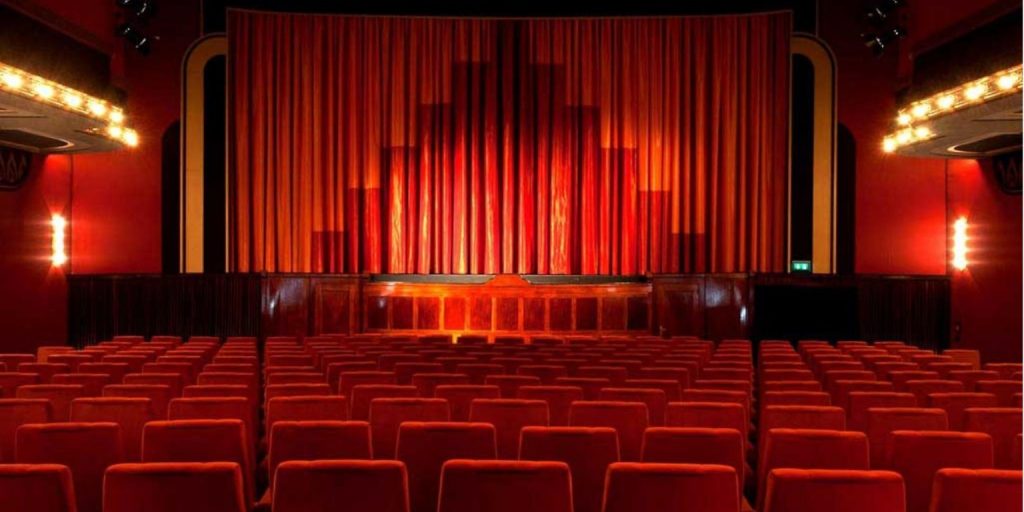
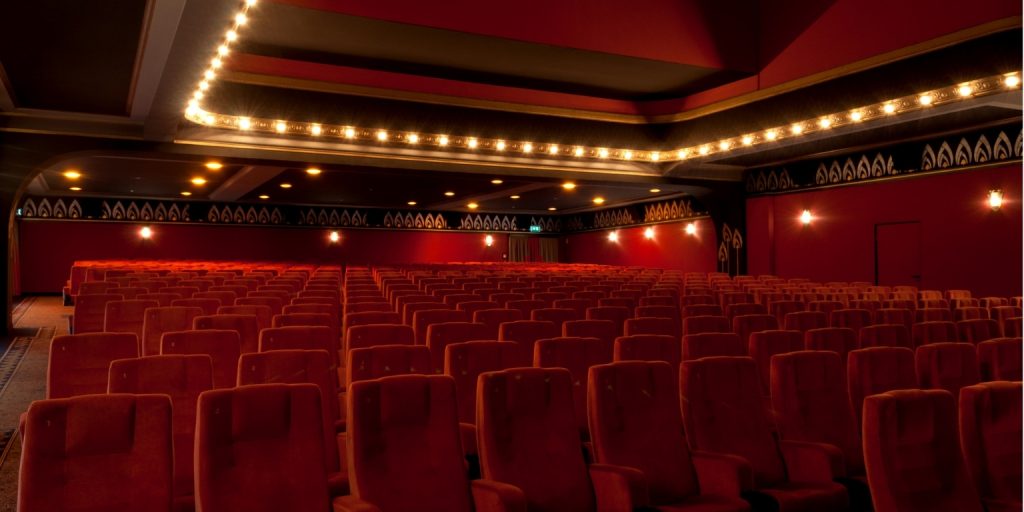
The architectural identity of the Passage Kino was defined by a remarkable blend of classic and modern styles. Its façade, while integrated into the surrounding commercial buildings, hinted at the grandeur within. Inside, the cinema’s design was a mix of Art Deco and early 20th-century classicism. The main screen, with its deep red curtains and elegant proscenium arch, gave the feeling of a theater rather than a simple cinema. The lighting was always meticulously designed to enhance the movie-going experience, and the carefully selected details made every visit feel like a special occasion.
The cinema was a key part of the urban fabric of Jungfernstieg. It was a place where people would meet before a film, stroll along the promenade, and then enter a world of fantasy and art. The very act of going to the cinema at the Passage Kino was a social event, a part of the city’s routine. The cinema’s presence contributed to the vibrancy and cultural richness of the area, making Jungfernstieg not just a shopping district, but a destination for leisure and entertainment.
The Final Curtain
In an era of multiplex cinemas and home streaming, many of Europe’s historic, single-screen cinemas struggled to remain profitable. The Passage Kino was no exception. Despite its dedicated following and historic status, the challenges of modern economics proved to be insurmountable. The cinema finally closed its doors in 2011, a sad day for many Hamburg residents who had grown up with the Passage Kino as a cultural touchstone. The closure marked the end of a long and storied chapter in the city’s film history.
Following the closure, the building underwent a significant transformation. The interior was gutted, and the space was converted into a large retail store. While the building’s exterior remains recognizable, the magnificent interior of the Passage Kino, with its unique architectural details and cinematic legacy, is gone forever.
The loss of the Passage Kino was a profound moment for the city, sparking a public conversation about the preservation of historic cultural venues. While the physical space is now a commercial entity, the memory of the cinema lives on. It is a reminder of a time when cinema-going was a more communal and special experience. For those who remember it, the Passage Kino stands as a cherished piece of Hamburg’s history, a place where dreams were projected and a shared love of film brought people together. Its story is a poignant testament to the ever-changing nature of urban life and the importance of preserving the cultural landmarks that define a city’s identity.