
Table of Contents
The capital of the Balearic Islands
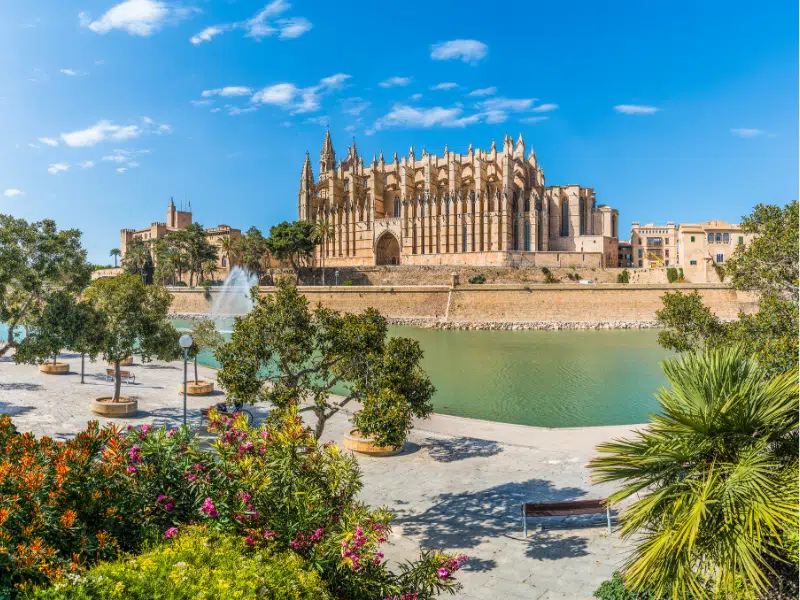
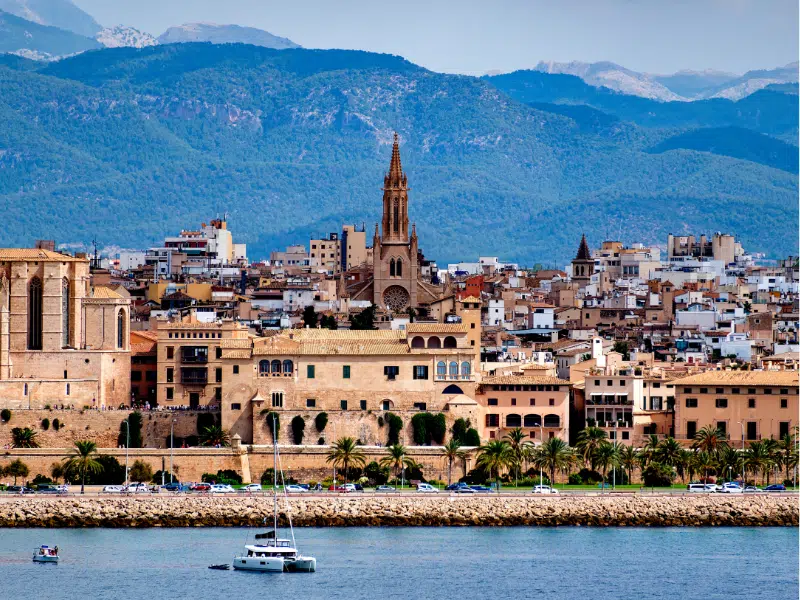
Palma de Mallorca is the capital of the Balearic Islands and a vibrant city known for its stunning beaches, historical landmarks, and lively atmosphere. Located on the Mediterranean island of Mallorca, Palma offers a perfect blend of relaxation and cultural exploration.
Key Features of Palma de Mallorca
- Stunning Beaches: Palma de Mallorca is renowned for its beautiful beaches, offering crystal-clear waters, golden sands, and a variety of water sports.
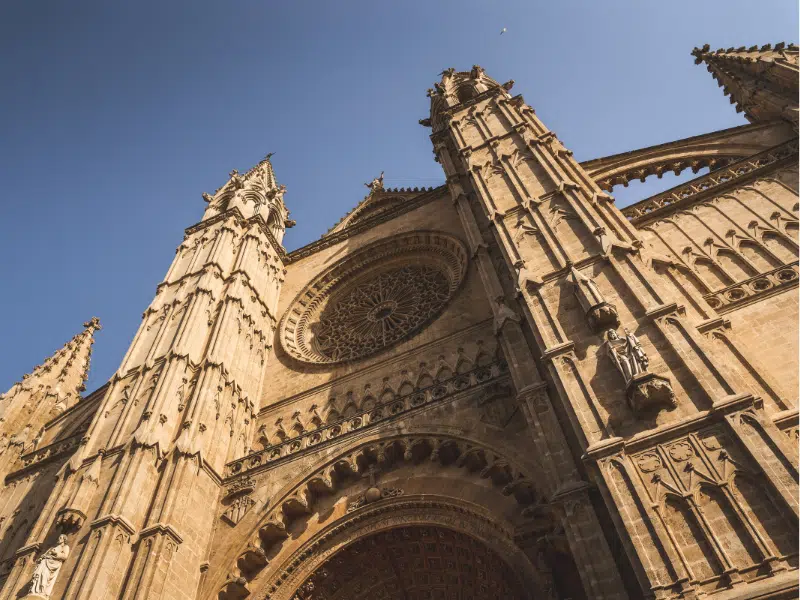
- Rich History: The city boasts a rich history, with numerous historical landmarks and architectural gems, such as the La Seu Cathedral and Bellver Castle.
- Vibrant Culture: Palma de Mallorca offers a vibrant cultural scene, with a variety of museums, art galleries, and music venues.
- Mediterranean Cuisine: Enjoy delicious Mediterranean cuisine, featuring fresh seafood, local produce, and traditional Spanish dishes.
- Shopping Paradise: The city offers a wide range of shopping options, from high-end boutiques to local markets and flea markets.
- Lively Atmosphere: Palma de Mallorca has a lively and cosmopolitan atmosphere, with a vibrant nightlife and plenty of entertainment options.
- Easy Access: The city is well-connected to other parts of Spain and Europe, making it easy to reach by plane or ferry.
Fun Facts About Palma de Mallorca
- The Cathedral’s Rose Window: The La Seu Cathedral’s rose window is one of the largest in the world, measuring 15 meters in diameter.
- Bellver Castle’s Circular Design: Bellver Castle is one of the few circular castles in Europe, offering panoramic views of the city and the sea.
- The Palma Aquarium’s Shark Tunnel: The Palma Aquarium features a 25-meter-long shark tunnel where visitors can walk underwater and observe sharks and other marine life.
- The Feast of Sant Sebastià: Every January 20th, Palma celebrates the Feast of Sant Sebastià, a lively festival featuring bonfires, fireworks, and traditional dances.
- The Gothic Quarter: The Old Town of Palma is one of the best-preserved Gothic quarters in Spain, with narrow streets, charming squares, and historic buildings.
- The Dragon Fountain: The Font de la Reina, also known as the Dragon Fountain, is a beautiful fountain located in the Old Town, featuring a mythological dragon.
- The Mallorcan Language: While Spanish is the official language, Mallorcan, a Catalan dialect, is also spoken on the island.
- The Tramvia de Palma: The city’s tram system, the Tramvia de Palma, is a popular and convenient way to get around.
- The Pollença Cycling Challenge: Every May, Palma hosts the Pollença Cycling Challenge, a prestigious cycling race that attracts cyclists from around the world.
- The Mallorcan Pine Tree: The Mallorcan pine tree is a symbol of the island and can be found in many parks and gardens.
Local Legends of Palma de Mallorca
The Legend of the Dragon
One of the most well-known legends of Palma is the legend of the dragon. According to the story, a fearsome dragon once terrorized the city, demanding sacrifices of young maidens. A brave knight named Sant Jordi (Saint George) confronted the dragon and defeated it with his sword. The dragon’s blood turned into roses, which Sant Jordi presented to the princess he had saved. This legend is celebrated annually on April 23rd, the Feast of Sant Jordi, which is also Catalonia’s Day of the Book.
The Legend of the Moorish King
Another popular legend tells the story of a Moorish king who fell in love with a Christian woman named Elvira. The king converted to Christianity and married Elvira, but their happiness was short-lived. A jealous rival plotted to separate them, and the king was forced to flee the city. The legend says that the king’s ghost still haunts the streets of Palma, searching for his lost love.
The Legend of the Sea Serpent
A more recent legend involves a sea serpent that is said to inhabit the waters around Palma. Locals claim to have seen the creature, which is described as being enormous and with a long, sinuous body. Some believe that the serpent is a guardian of the island, protecting it from harm.
These are just a few of the many legends that have been passed down through generations in Palma de Mallorca. These stories add to the city’s rich cultural heritage and continue to fascinate visitors and locals alike.
What about the history of Palma de Mallorca?
- Phoenician and Roman Era: The Phoenicians established a trading post on the island around 500 BC, and the Romans later conquered the area in the 1st century BC.
- Moorish Rule: The Moors conquered Mallorca in the 8th century, and the city of Palma flourished under their rule.
- Christian Reconquest: In 1229, King James I of Aragon reconquered Mallorca from the Moors, and Palma became the capital of the island.
- Medieval Period: During the medieval period, Palma developed into a prosperous commercial and cultural center. The city’s Gothic Cathedral, La Seu, was built during this time.
- Modern Era: Palma experienced a period of growth and development in the modern era, particularly during the 19th and 20th centuries. The city’s tourism industry began to flourish, attracting visitors from all over the world.
Must-Try Food in Palma de Mallorca
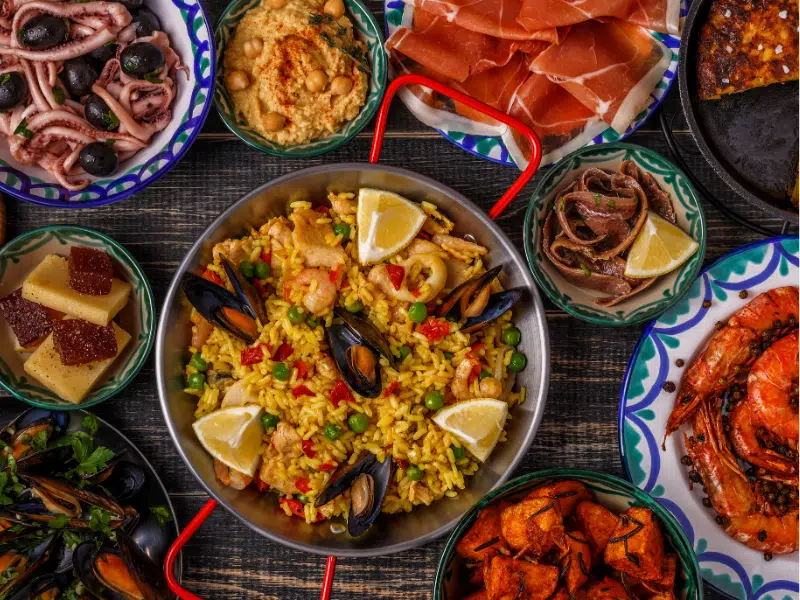
Tapas:
- Pa amb oli: A classic Mallorcan dish consisting of bread with olive oil, tomato, and often topped with cured ham or cheese.
- Sobrasada: A spreadable sausage made from pork and paprika, often served on toast.
- Ensalada de Llum: A refreshing salad made with tomatoes, onions, and a light vinaigrette.
- Gambas al Ajillo: Garlic shrimp, a popular tapa throughout Spain.
Main Courses:
- Arroz Negro: Black rice, a seafood dish flavored with squid ink.
- Bullit de Peix: A traditional Mallorcan fish stew.
- Llamb de Forn: Roast lamb, a hearty and flavorful dish.
- Frito Mallorquín: A mixed fry of pork, liver, and sausage.
Desserts:
- Ensaimadas: Flaky pastries filled with cream or cinnamon.
- Gató: A traditional Mallorcan cake made with almonds and sugar.
- Gelato: Enjoy a delicious scoop of gelato at one of Palma’s many ice cream shops.
Local Specialties:
- Coca Mallorquina: A savory or sweet flatbread topped with various ingredients.
- Ceps: Wild mushrooms that are highly prized in Mallorca.
- Mallorcan Wine: Enjoy a glass of local wine, such as a Manto Negro or a Malvasía.
Must Visit Attractions in Palma de Mallorca
Tren de Sóller: A charming wooden train that offers scenic views on its journey from Sóller to Palma.
Plaza de España: A historic square with a decorative fountain, ceramic mosaic benches, and adorned porches.
Plaza Mayor: A bustling square surrounded by impressive buildings, featuring a bronze equestrian statue of Cervantes.
Iglesia de Santa Eulalia: A Gothic church with a beautiful interior and a peaceful atmosphere.
Basílica de San Francisco: A Gothic church and convent with an elaborate cloister and a Baroque facade.
Iglesia de Montesión de Palma: A historic church with a peaceful ambiance and stunning architecture.
Catedral de Barcelona: An impressive Gothic cathedral with cloisters filled with geese, offering guided tours and city views.
Plaza de la Reina: A lively square with cafes, bars, shops, historic buildings, a fountain, and shady benches.
Llotja de Palma: A 15th-century lonja with striking Gothic architecture and occasional art exhibitions.
Parque de Sa Feixina: An urban park with a children’s area, a skate park, a cycling path, and several stone monuments.
This walking tour will take you through the heart of Palma de Mallorca, allowing you to experience the city’s rich history, stunning architecture, and cultural significance.

Explore Palma de Mallorca with World City Trail
Embark on an unforgettable journey through the enchanting city of Palma de Mallorca with World City Trail. Our interactive walking tour combines the thrill of exploration with the rich history and culture of this beatiful city.
Key Features:
Interactive gameplay: Solve engaging puzzles and challenges as you explore the city.
Iconic landmarks: Discover famous attractions like the Plaza Espana and the Plaza Mayor
Hidden gems: Uncover lesser-known spots, such as the Lonja de Mallorca or the Sa Feixina park.
Cultural insights: Learn about Palma de Mallorca’s fascinating history.
Flexibility: Explore at your own pace and create your own itinerary.
Learn more fun facts about Palma de Mallorca!
Book your Palma de Mallorca adventure today and experience the magic of this beatiful city.
Further reading on Wikipedia: Ferrocarril de Sóller