
Table of Contents
A charming city in the Lorraine region
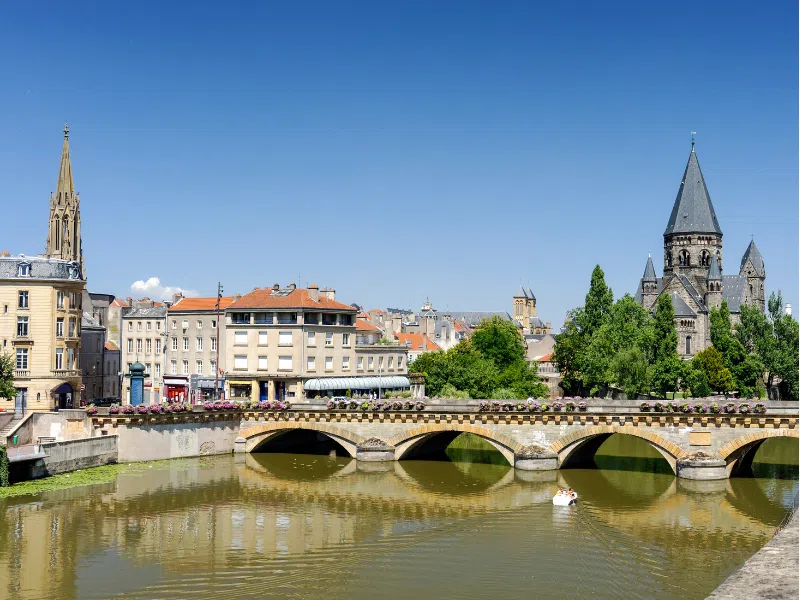
Metz, a charming city in the Lorraine region of France, is known for its rich history, stunning architecture, and vibrant cultural scene. Nestled along the Moselle River, Metz boasts a picturesque old town with narrow cobblestone streets, medieval fortifications, and beautiful Gothic cathedrals. Explore the city’s fascinating past by visiting the Centre Pompidou-Metz, a modern art museum housed in a striking building. Immerse yourself in the city’s vibrant atmosphere by enjoying its lively cafes, restaurants, and cultural events. With its blend of history, art, and culture, Metz offers a captivating experience for visitors.
Key Features of Metz
- Rich History: Metz has a long and fascinating history, dating back to Roman times. The city’s historical landmarks and architecture reflect its rich past.
- Stunning Architecture: Metz is renowned for its beautiful Gothic cathedrals, including the Cathédrale Saint-Étienne, one of the largest in France.
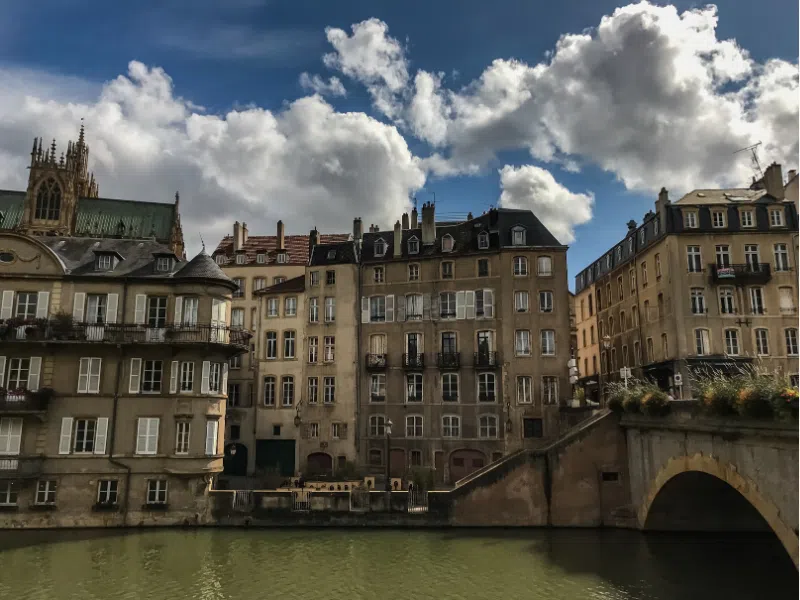
- Picturesque Old Town: The city’s historic center features narrow cobblestone streets, medieval fortifications, and charming squares.
- Vibrant Cultural Scene: Metz offers a variety of cultural attractions, including art galleries, museums, theaters, and music venues.
- Centre Pompidou-Metz: This modern art museum is housed in a striking building and features a world-class collection of contemporary art.
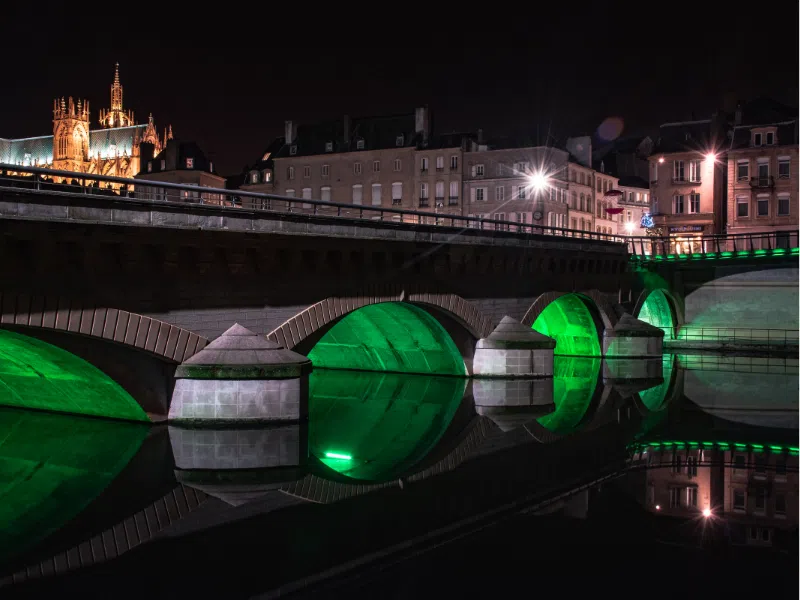
- Moselle River: The Moselle River flows through the city, providing beautiful scenery and opportunities for water activities.
- Delicious Cuisine: Metz offers a variety of delicious French cuisine, including regional specialties and international dishes.
- Affordable Prices: Metz is generally more affordable than other major French cities, making it a great destination for budget travelers.
Fun Facts About Metz
- City of Three Bishops: Metz was historically known as the “City of Three Bishops” due to the influence of its three powerful bishops.
- The “Jewel of Lorraine”: Metz is often referred to as the “Jewel of Lorraine” due to its beautiful architecture and cultural heritage.
- Largest Stained Glass Window in Europe: The Cathédrale Saint-Étienne boasts the largest stained glass window in Europe, measuring over 65 feet high and 135 feet wide.
- Birthplace of Jules Verne: The famous author Jules Verne was born in Metz. The city’s Jules Verne Center celebrates his life and work.
- Chocolate Capital of France: Metz is known as the “Chocolate Capital of France” due to its long tradition of chocolate making.
- Medieval Fortifications: The city’s fortifications, including the Porte des Allemands and the Porte Serpenoise, date back to the Middle Ages.
- Christmas Market: Metz hosts a popular Christmas market featuring traditional crafts, food, and festive decorations.
- Annual Jazz Festival: The Metz Jazz Festival is a renowned international music event that attracts talented musicians from around the world.
- City of Gardens: Metz is home to several beautiful parks and gardens, including the Parc de la Seille and the Jardin d’Amnéville.
- Wine Region: The surrounding region of Lorraine is known for its wine production, with vineyards producing quality wines.
Local Legends of Metz
- The Legend of Saint Stephen: The Cathédrale Saint-Étienne is named after Saint Stephen, the first Christian martyr. According to legend, Saint Stephen’s body was brought to Metz after his martyrdom in Jerusalem. The cathedral is believed to be built over his burial site.
- The Legend of the Devil’s Bridge: There is a legend of a bridge over the Moselle River that was built by the devil. The legend says that the devil challenged a local blacksmith to build a bridge in one night. If the blacksmith could finish the bridge before dawn, the devil would have to give up his soul. The blacksmith succeeded, but the devil was so angry that he threw a rock at the bridge, breaking it. The blacksmith had to finish the bridge by hand, and the devil’s mark is said to be still visible on the bridge today.
- The Legend of the Fairy of the Moselle: There is a legend of a fairy who lives in the Moselle River. The fairy is said to be a beautiful creature with long, flowing hair and sparkling eyes. She is said to appear to people who are kind and gentle, and she is believed to bring good luck.
- The Legend of the Dragon of Metz: There is a legend of a dragon who lived in a cave near Metz. The dragon was said to be a fierce and dangerous creature that terrorized the people of the city. A brave knight eventually defeated the dragon, saving the city from its wrath.

The History of Metz
- Roman Era: Metz was founded as Divodurum by the Romans in the 1st century AD. It became a significant Roman city, serving as a military outpost and a center of trade.
- Frankish and Carolingian Rule: After the fall of the Roman Empire, Metz came under the control of the Franks. During the Carolingian dynasty, the city became a major center of power and influence.
- Bishops of Metz: The bishops of Metz gained significant power and authority, and the city became a spiritual and cultural center.
- Middle Ages: During the Middle Ages, Metz was a prosperous and independent city. It was a member of the Holy Roman Empire and a major center of trade and commerce.
- Burgundian and French Rule: Metz was conquered by the Burgundians in the 15th century. In the 16th century, it became part of France.
- French Revolution and Napoleonic Era: During the French Revolution, Metz played a significant role in the defense of the French Republic. The city was also a key strategic location during the Napoleonic Wars.
- 19th and 20th Centuries: Metz experienced significant industrial growth during the 19th century. During World War I, the city was heavily damaged. After World War II, Metz was rebuilt and became an important industrial center.
Must-Try Food in Metz

- Quiche Lorraine: A classic French tart made with a flaky pastry crust and a creamy egg custard filling.
- Mirabelle Plum: A local delicacy, mirabelle plums are used in jams, tarts, and liqueurs.
- Potée Lorraine: A hearty stew made with pork, cabbage, sausages, and potatoes.
- Tarte au Feuilleté: A flaky pastry filled with a variety of fillings, such as apples, pears, or chocolate.
- Jambon de Metz: A dry-cured ham from Metz, known for its delicate flavor and aroma.
- Beer: Enjoy a refreshing local beer, such as Metz or Kronenbourg.
- Wine: The surrounding region of Lorraine produces quality wines, including Pinot Noir and Riesling.
Must Visit Attractions in Metz
Must-Visit Attractions in Metz
Gare de Metz: The Metz train station is a beautiful Art Nouveau building with stunning stained glass windows and intricate ironwork. It’s a must-see for architecture enthusiasts and a convenient starting point for exploring the city.
Serpentine Gate: This historic gate is a charming example of Metz’s medieval fortifications. It features a serpentine shape, inscriptions, turrets, and a green roof.
Place de la République de Metz: A bustling square with fountains, bus stops, a Christmas market, and an ice rink in winter. It’s a great place to people-watch and enjoy the city’s vibrant atmosphere.
Fontaines de l’Esplanade: These fountains are located in a large public square and offer a refreshing respite from the city’s hustle and bustle.
Metz Cathedral: This stunning Gothic cathedral is one of the largest in France and is known for its immense stained glass windows. It’s a must-see for history and architecture buffs.
Place d’Armes: A large square surrounded by historic buildings, Place d’Armes is a popular gathering spot for locals and tourists.
Église Notre-Dame: This Gothic church is known for its ornate facade and beautiful stained glass windows. It’s a peaceful place to relax and admire the city’s architecture.
Place St Louis: A charming square with a fountain and a variety of shops and cafes. It’s a great place to take a break and enjoy the city’s ambiance.
German Gate: This historic gate is a reminder of Metz’s past as a border city between France and Germany. It features turrets and a fortified bridge over the Seille River.
This walking tour will take you through the heart of Metz, allowing you to experience the city’s rich history, stunning architecture, and cultural significance.

Explore Metz with World City Trail
Embark on an unforgettable journey through the enchanting city of Metz with World City Trail. Our interactive walking tour combines the thrill of exploration with the rich history and culture of this beatiful city.
Key Features:
Interactive gameplay: Solve engaging puzzles and challenges as you explore the city.
Iconic landmarks: Discover famous attractions like the Gare de Metz or the Serpentine Gate.
Hidden gems: Uncover lesser-known spots, such as the Place d’Armes and the Église Notre-Dame.
Cultural insights: Learn about Metz’s fascinating history.
Flexibility: Explore at your own pace and create your own itinerary.
Learn more fun facts about Metz!
Book your Metz adventure today and experience the magic of this beatiful city.
Further reading on Wikipedia: Metz Cathedral