
Table of Contents
A city with rich history, stunning architecture, and cultural heritage
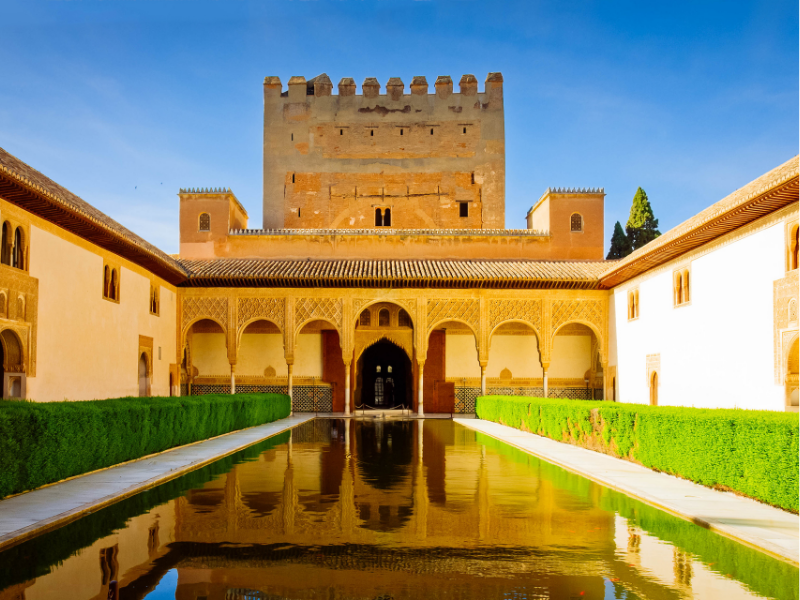
Granada is a vibrant city located in the southern region of Spain, known for its rich history, stunning architecture, and cultural heritage. The city is most famous for the Alhambra, a UNESCO World Heritage Site and one of the most iconic Islamic monuments in the world. Granada is also home to the Albaicín, a historic Moorish quarter with narrow, winding streets and stunning views of the Alhambra. With its blend of Islamic, Christian, and Jewish influences, Granada offers a unique and captivating experience for visitors.
Key features of Granada:
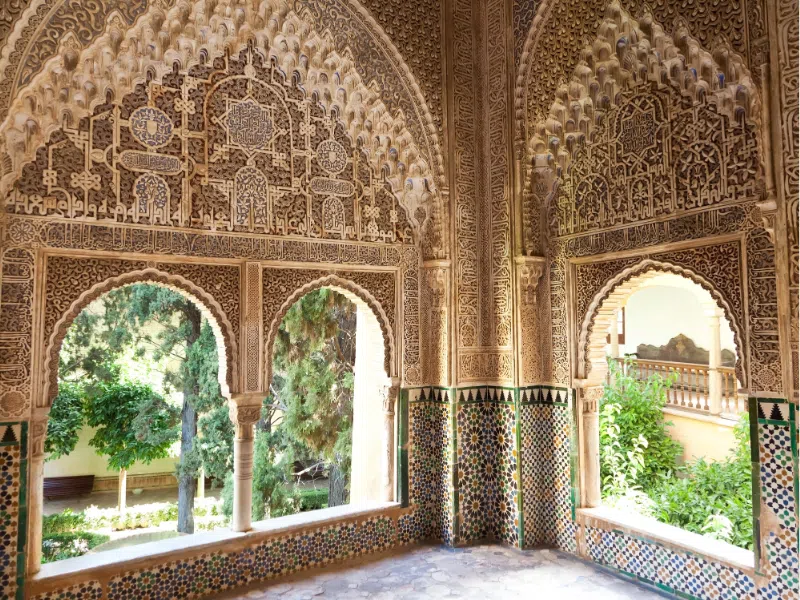
- Alhambra: The Alhambra, a UNESCO World Heritage Site, is Granada’s most famous attraction, a stunning Islamic palace complex with intricate architecture, gardens, and courtyards.
- Albaicín: This historic Moorish quarter is a UNESCO World Heritage Site, characterized by its narrow, winding streets, whitewashed houses, and panoramic views of the Alhambra.
- Sacromonte: This gypsy quarter is known for its cave dwellings, flamenco shows, and vibrant atmosphere.
- Rich history: Granada has a rich history, having been ruled by various civilizations, including the Moors, Christians, and Jews.
- Cultural heritage: The city boasts a rich cultural heritage, with a blend of Islamic, Christian, and Jewish influences.
- Stunning architecture: Granada is home to many stunning architectural landmarks, including the Alhambra, the Cathedral, and the Royal Chapel.
- Vibrant atmosphere: Granada is a lively city with a vibrant atmosphere, offering a variety of cultural and entertainment options.
- Delicious cuisine: The city offers a delicious cuisine, with a blend of Andalusian, Moorish, and Spanish influences.
- Pleasant climate: Granada enjoys a pleasant Mediterranean climate with warm summers and mild winters.
Fun facts about Granada:
- The city of a thousand and one nights: Granada is often referred to as the “city of a thousand and one nights” due to its Moorish heritage and enchanting atmosphere.
- Birthplace of Federico García Lorca: The renowned Spanish poet and playwright Federico García Lorca was born and raised in Granada.
- Home of the Alhambra: The Alhambra is one of the most iconic Islamic monuments in the world and a UNESCO World Heritage Site.
- A city of contrasts: Granada is a city of contrasts, with its historic Moorish quarter, modern city center, and surrounding countryside.
- A flamenco capital: Granada is considered one of the world’s flamenco capitals, with numerous flamenco shows and performances.
- A university city: Granada is home to the University of Granada, one of Spain’s oldest and most prestigious universities.
- A popular pilgrimage destination: Granada is a popular pilgrimage destination, with many visitors coming to visit the Shrine of the Virgin of the Cave.
- A city of festivals: Granada hosts numerous festivals throughout the year, including the International Music and Dance Festival and the Corpus Christi Festival.
- A city of tapas: Granada is famous for its tapas culture, with numerous bars and restaurants serving delicious small plates of food.
- A city with a rich history: Granada has a rich and complex history, having been ruled by various civilizations, including the Moors, Christians, and Jews.
Local Legends About Granada
- The Legend of the Alhambra: The Alhambra, Granada’s most famous landmark, is the subject of many legends. One such legend tells of a hidden treasure buried within the palace walls. Another legend claims that the Alhambra is haunted by the ghost of a Moorish princess who fell in love with a Christian knight.
- The Legend of the Sacromonte Gypsies: The Sacromonte, Granada’s gypsy quarter, is also the subject of many legends. One legend tells of a gypsy princess who fell in love with a Christian prince. Their love was forbidden, and they were forced to hide in the caves of the Sacromonte.
- The Legend of the Fountain of Tears: This fountain, located in the Alhambra, is said to have healing properties. According to legend, if you drink from the fountain, your tears will be wiped away.
- The Legend of the Devil’s Bridge: This bridge, located in the Sierra Nevada mountains, is said to be haunted by the devil. Some believe that the devil helped build the bridge in exchange for the soul of the first person to cross it.
- The Legend of the Enchanted Forest: This forest, located near Granada, is said to be enchanted. Some believe that the forest is home to magical creatures, and that if you enter the forest at night, you may never find your way out.
Granada’s History
- Phoenician and Carthaginian Influence: The area that is now Granada was originally inhabited by Phoenicians and Carthaginians.
- Roman Rule: In the 2nd century BC, the region came under Roman rule and became part of the province of Hispania Baetica.
- Visigothic Kingdom: After the fall of the Roman Empire, the Visigoths established a kingdom in the Iberian Peninsula, including Granada.
- Moorish Conquest: In the 8th century, the Moors invaded the Iberian Peninsula and established the Emirate of Córdoba. Granada became part of this emirate and later developed into the independent Kingdom of Granada.
- Islamic Golden Age: Under Moorish rule, Granada experienced a period of cultural and economic prosperity, known as the Islamic Golden Age. The Alhambra, one of the most iconic Islamic monuments in the world, was built during this time.
- Christian Reconquest: In the 13th century, the Christian kingdoms of Spain began a campaign to reconquer the Iberian Peninsula from the Moors. Granada was the last Moorish stronghold to fall.
- Christian Rule: After the fall of Granada in 1492, the city came under Christian rule. It became part of the Kingdom of Castile and León.
- Modern Era: In the 19th century, Granada experienced a period of economic growth due to the development of agriculture and tourism. Today, Granada is a vibrant city with a rich cultural heritage and a thriving tourism industry.
Must-Try Food in Granada

Tapas:
- Gambas al ajillo: Garlic shrimp, a classic Spanish tapas dish.
- Patatas bravas: Braised potatoes served with a spicy tomato sauce.
- Tortilla Española: Spanish omelet, made with eggs, potatoes, and onions.
Main Courses:
- Plato alpujarreño: A hearty dish from the Alpujarras region, typically featuring lamb or pork with potatoes and vegetables.
- Pescaíto frito: Fried small fish, a popular Andalusian dish.
- Gazpacho: A cold soup made with tomatoes, cucumbers, peppers, and bread.
Desserts:
- Turrón: A traditional Spanish nougat, often flavored with almonds, honey, and spices.
- Flan: A custard dessert, similar to crème caramel.
- Pionono: A rolled sponge cake filled with cream or fruit.
Local Wines:
- Montilla-Moriles: A fortified wine from the Montilla-Moriles region.
- Málaga: A sweet wine from the Málaga region.
Must Visit Attractions in Granada
- Fuente de las Granadas: This fountain is an icon of the city, located in the historic center. Its design represents two pomegranates, fruits that symbolize the city, and it’s a popular meeting point.
- Basílica de la Virgen: A religious temple of great importance in Granada, dedicated to the Virgin of the Angustias, the city’s patron saint. Its architecture is impressive and houses valuable works of art.
- Fuente de las Batallas: Located in Plaza Nueva, this fountain commemorates the battles that took place in the reconquest of Granada. It’s a reference point and a popular place to relax.
- Granada City Hall: The Granada City Hall is a Neoclassical building that houses the municipal offices. Its facade is impressive and it’s located in a central square.
- Pl. de Bib-Rambla: One of the liveliest squares in Granada, filled with life and surrounded by bars and restaurants. It’s an ideal place to enjoy the local atmosphere.
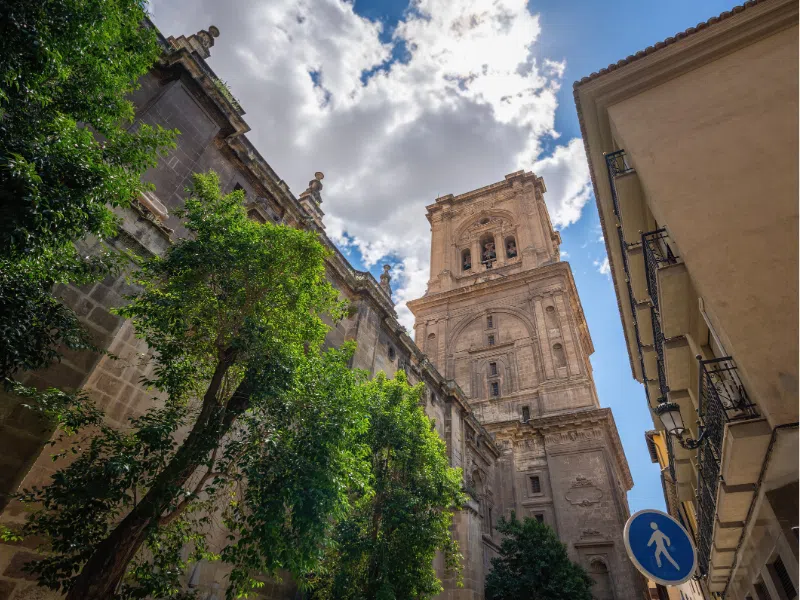
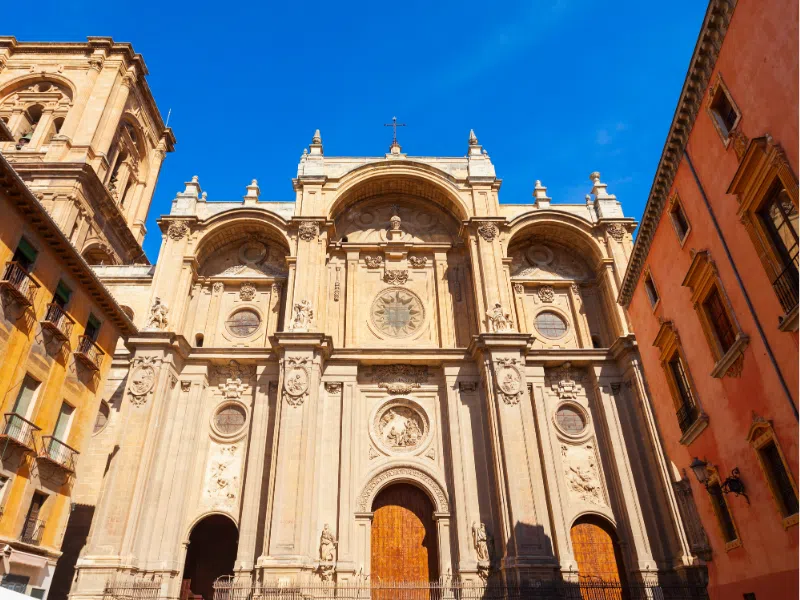
- Catedral de Granada: An impressive religious building that combines Gothic and Renaissance styles. Its interior is majestic and houses numerous works of art.
- Palacio de la Madraza: Formerly an Islamic university, this palace is an example of Arabic architecture in Granada. It currently houses the headquarters of the University of Granada.
- Plaza Isabel La Católica: A spacious and open square, dedicated to Queen Isabel I of Castile. It’s a popular place for events and celebrations.
- Puerta de las Granadas: One of the oldest gates of the city, which was part of the ancient wall. It’s a symbol of Granada’s history.
- Pilar de Carlos V: This pillar, located in the Court of the Lions at the Alhambra, was built by order of Charles V and is an example of Renaissance architecture within the palace complex.
This walking tour will take you through the heart of Granada, allowing you to experience the city’s rich history, stunning architecture, and cultural significance.

Explore Granada with World City Trail
Embark on an unforgettable journey through the enchanting city of Granada with World City Trail. Our interactive walking tour combines the thrill of exploration with the rich history and culture of this beatiful city.
Key Features:
Interactive gameplay: Solve engaging puzzles and challenges as you explore the city.
Iconic landmarks: Discover famous attractions like the Basílica de la Virgen and the Fuente de las Batallas.
Hidden gems: Uncover lesser-known spots, such as the Puerta de las Granadas or the Pilar de Carlos V.
Cultural insights: Learn about Granada’s fascinating history.
Flexibility: Explore at your own pace and create your own itinerary.
Learn more fun facts about Granada!
Book your Granada adventure today and experience the magic of this beatiful city.
Further reading on Wikipedia: Granada Cathedral