
Table of Contents
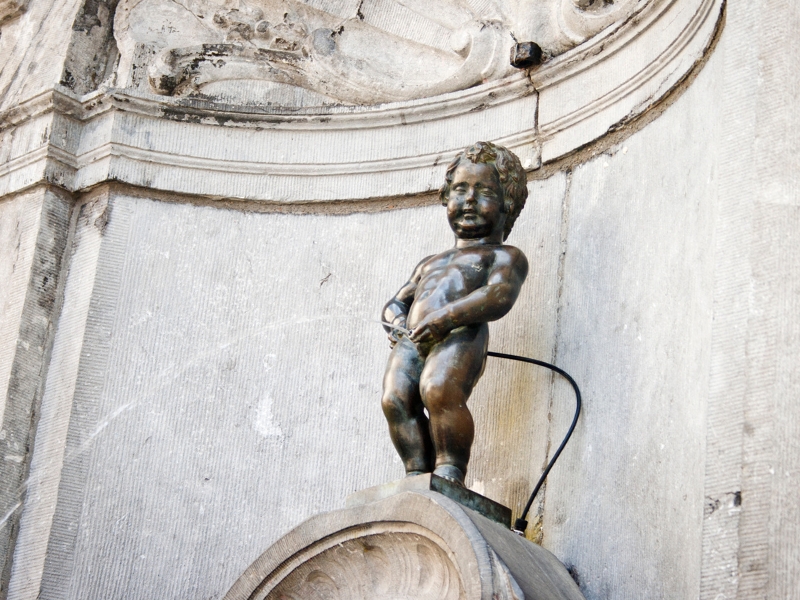
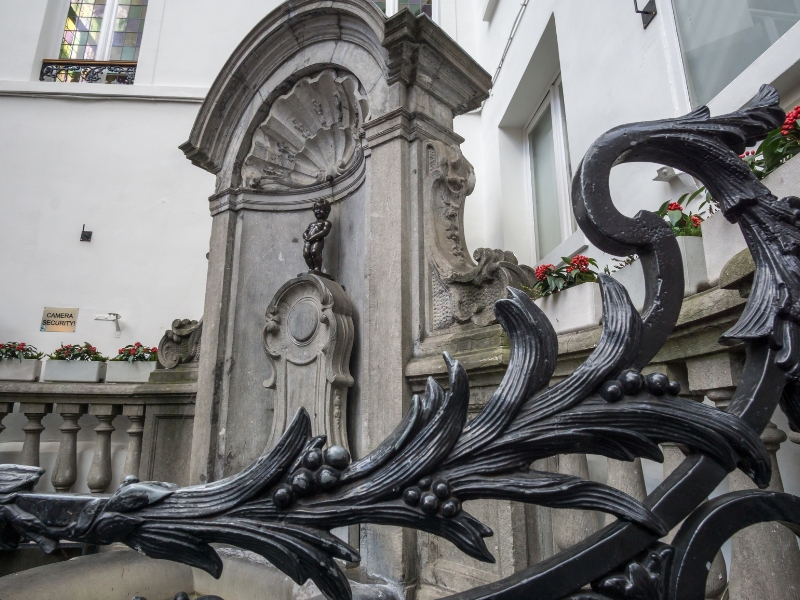
The Manneken Pis is a bronze statue depicting a naked little boy urinating into a fountain. Located in the heart of Brussels, Belgium, this quirky statue has become one of the city’s most iconic symbols.
A Glimpse into History
The exact origins are shrouded in mystery, with various legends and theories surrounding its creation. Some historians believe the statue was first erected in the 15th century, while others suggest it may be even older. Over the centuries, the statue has been replaced several times, with the current bronze version dating back to 1965. Despite its small size, it has captured the hearts of locals and tourists alike.
The statue has played a role in various historical events, including revolutions and celebrations. The statue has also been a source of inspiration for artists and writers. It has also been depicted in paintings, sculptures, and literature.
The Manneken Pis is not the only urinating statue in Brussels. The city also has a Manneken Piske (little Manneken Pis) and a Jeanneke Pis (little Jeanne), a female counterpart to the Manneken Pis. These statues, along with the Manneken Pis, form a trio of quirky attractions that draw visitors from all over the world.
A Cultural Icon
The Manneken Pis is more than just a statue; it’s a cultural icon. The statue has been a source of fascination and amusement for centuries, and it has become a symbol of Brussels’ unique character.
The statue has been the subject of numerous legends and folklore. One popular legend tells the story of a young boy who saved the city by urinating on a burning fuse. Another legend suggests that the statue is a symbol of the city’s resistance to invaders.
A Fashionable Figure
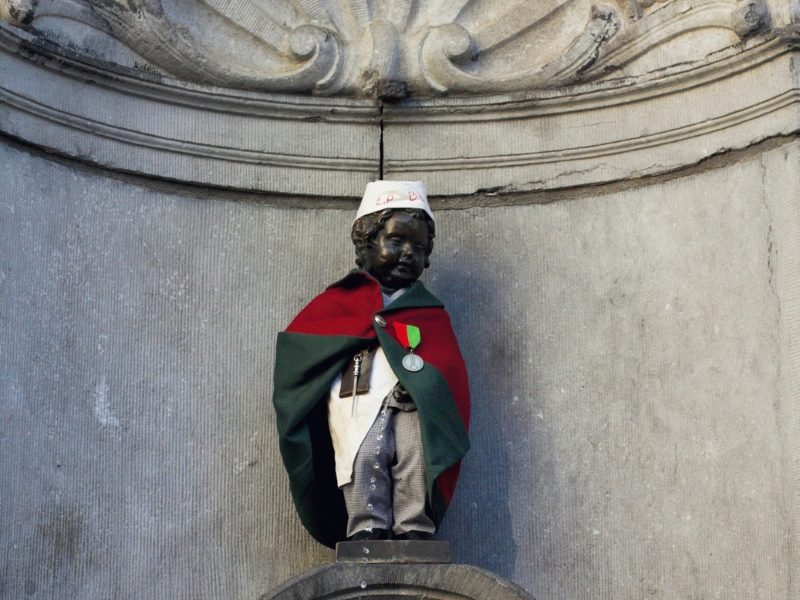
One of the most interesting aspects of the Manneken Pis is its wardrobe. It is often dressed in various costumes, depending on the occasion or season. The statue has a wardrobe of over 900 outfits, including historical costumes, military uniforms, and festive attire.
The tradition of dressing the statue dates back to the 17th century. Over the years, the statue has been dressed in a variety of costumes, ranging from simple outfits to elaborate garments. The costumes are often donated by individuals, organizations, or foreign dignitaries. Some of the most famous costumes include those worn for national holidays, cultural events, and international celebrations.
Tips for Visiting the Manneken Pis
- Best Time to Visit: The Manneken Pis can be visited at any time of year.
- Photography: The statue is a popular spot for photography.
- Nearby Attractions: The Manneken Pis is located near other popular attractions, such as the Grand-Place and the Royal Museums of Fine Arts of Belgium.
- Public Transportation: The statue is easily accessible by public transportation, including buses and trams.
By visiting the Manneken Pis, you can experience a bit of Brussels’ quirky charm. This iconic statue is a must-see for any visitor to the city.
Manneken Pis is part of Brussels scavenger hunt and walking tour!
Embark on an unforgettable journey through the enchanting city of Brussels with World City Trail. Our interactive walking tour combines the thrill of exploration with the rich history and culture of this beautiful city.
Key Features:
Interactive gameplay: Solve engaging puzzles and challenges as you explore the city.
Hidden gems: Uncover lesser-known spots.
Cultural insights: Learn about the city’s fascinating history.
Flexibility: Explore at your own pace and create your own itinerary.
Family friendly activity and a great way to explore the city!
Further reading on Wikipedia: Brussels