
Table of Contents
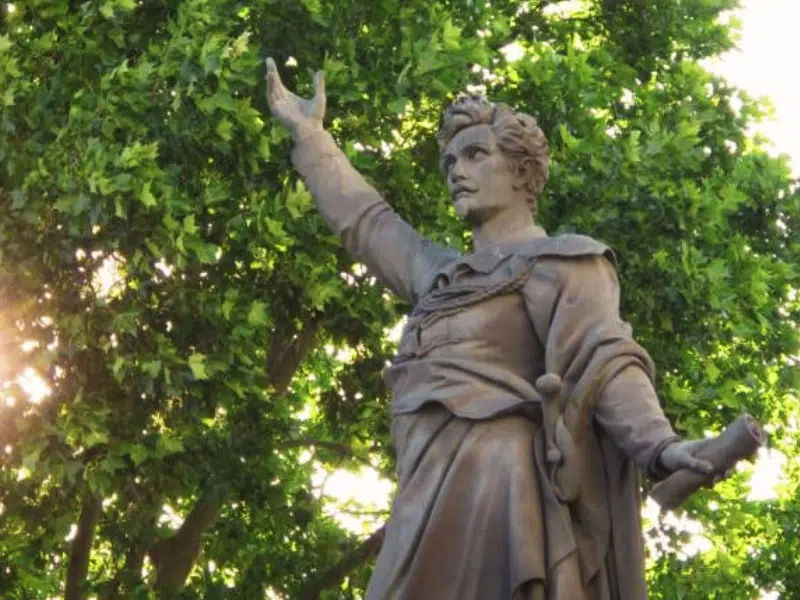
Sandor Petofi Statue is a prominent monument located in Budapest, Hungary. It commemorates the life and legacy of Sándor Petőfi, a renowned Hungarian poet and revolutionary figure.
A Glimpse into History
Sandor Petofi was a key figure in the Hungarian Revolution of 1848. His passionate poetry and revolutionary spirit inspired the Hungarian people to fight for independence from the Austrian Empire. Tragically, Petőfi disappeared during the revolution and is presumed to have died in battle.
The statue of Petofi, located on the Pest side of the Chain Bridge, was unveiled in 1882. It was created by sculptors Miklós Izsó and Adolf Huszár and is considered one of the most iconic statues in Budapest.
Sándor Petőfi’s poetry played a crucial role in shaping Hungarian national identity. His works expressed the aspirations of the Hungarian people for freedom, justice, and social reform. Petőfi’s legacy continues to inspire generations of Hungarians.
The statue of Petőfi is a testament to his enduring legacy. It serves as a reminder of the sacrifices made by the Hungarian people in their struggle for independence. The statue has become a symbol of hope, freedom, and national pride.
A Symbol of Hungarian Nationalism
The Sandor Petofi Statue has become a symbol of Hungarian nationalism and patriotism. It is often used as a gathering point for national celebrations and protests. The statue’s powerful and dynamic pose reflects Petőfi’s passionate and rebellious spirit.
The statue’s location is significant. It stands on the Pest side of the Chain Bridge, overlooking the Danube River and the Buda side of the city. This strategic location makes the statue a prominent landmark and a popular tourist attraction.

A Deeper Dive into the Statue’s Significance
The statue of Sandor Petofi is more than just a monument; it is a symbol of Hungarian identity and national pride. The statue’s design is both symbolic and artistic. Petőfi is depicted in a dynamic pose, with his arm raised in a gesture of defiance. The statue’s realistic features and expressive face capture the poet’s passion and intensity.
The statue has become a focal point for various cultural and political events. It is often adorned with flowers and wreaths, especially on national holidays and anniversaries. The statue’s presence in the heart of Budapest serves as a constant reminder of the country’s rich history and cultural heritage.
Tips for Visiting the Sandor Petofi Statue
- Best Time to Visit: The statue can be visited at any time of year. However, the best time to visit is during the spring and summer months, when the weather is pleasant and there are many outdoor events.
- Photography: The statue offers excellent photo opportunities, especially at sunset.
- Nearby Attractions: The statue is located near other popular attractions, such as the Chain Bridge, the Hungarian Parliament Building, and the Buda Castle District.
- Public Transportation: The statue is easily accessible by public transportation, including buses, trams, and the metro.
By visiting the Sándor Petőfi Statue, you can pay tribute to one of Hungary’s most beloved national heroes and experience the rich history and culture of Budapest.
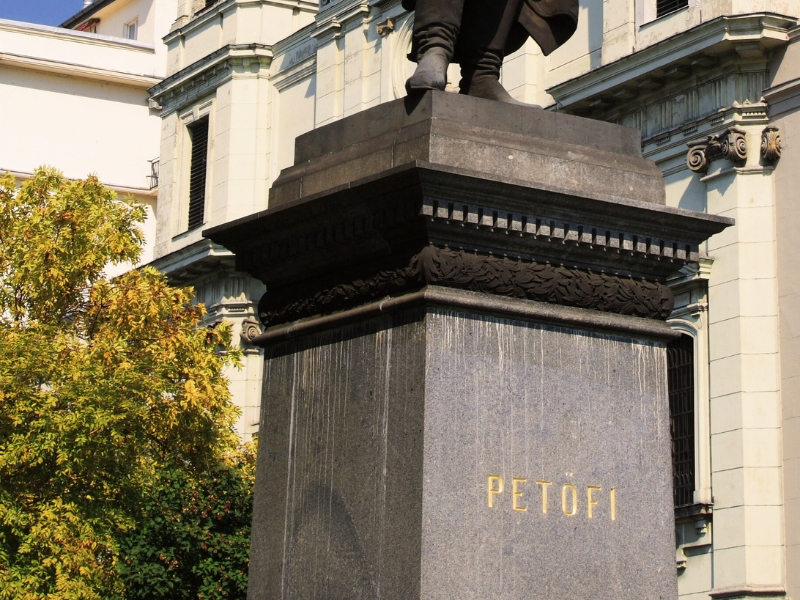
Sandor Petofi Statue is part of Budapest scavenger hunt and walking tour!
Embark on an unforgettable journey through the enchanting city of Budapest with World City Trail. Our interactive walking tour combines the thrill of exploration with the rich history and culture of this beautiful city.
Key Features:
Interactive gameplay: Solve engaging puzzles and challenges as you explore the city.
Hidden gems: Uncover lesser-known spots.
Cultural insights: Learn about the city’s fascinating history.
Flexibility: Explore at your own pace and create your own itinerary.
Family friendly activity and a great way to explore the city!
Further reading on Wikipedia: Budapest