
Table of Contents
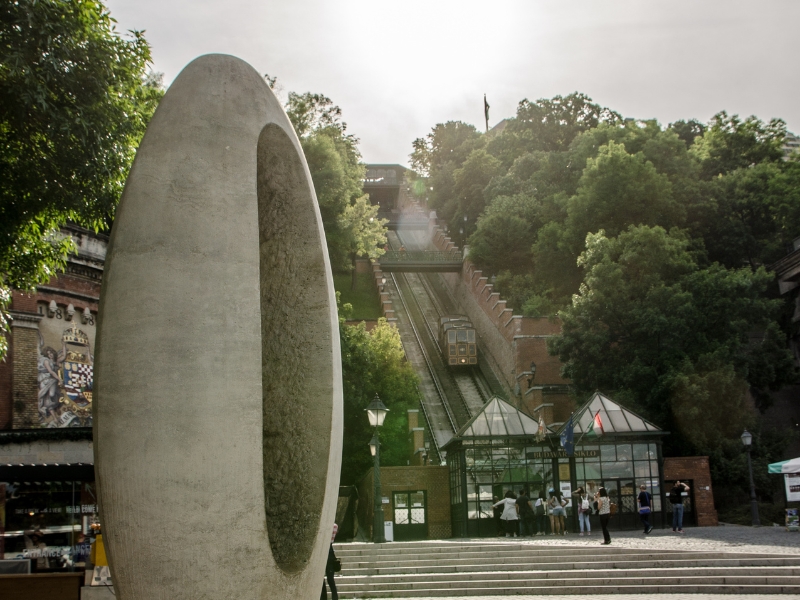
The Zero Kilometre Stone is a significant landmark in Budapest, Hungary. This symbolic marker signifies the starting point for measuring road distances within the country. Located in Clark Ádám Square, on the Buda side of the Chain Bridge, this minimalist sculpture has a rich history and cultural significance.
A Glimpse into History
The concept of a zero kilometer point is common in many countries, marking the starting point for road distance measurements. In Budapest, this symbolic point has shifted over time. Initially, it was placed at the entrance to the Buda Royal Palace (Buda Castle). However, with the completion of the Chain Bridge in 1849, the zero point was moved to its current location in Clark Ádám Square.
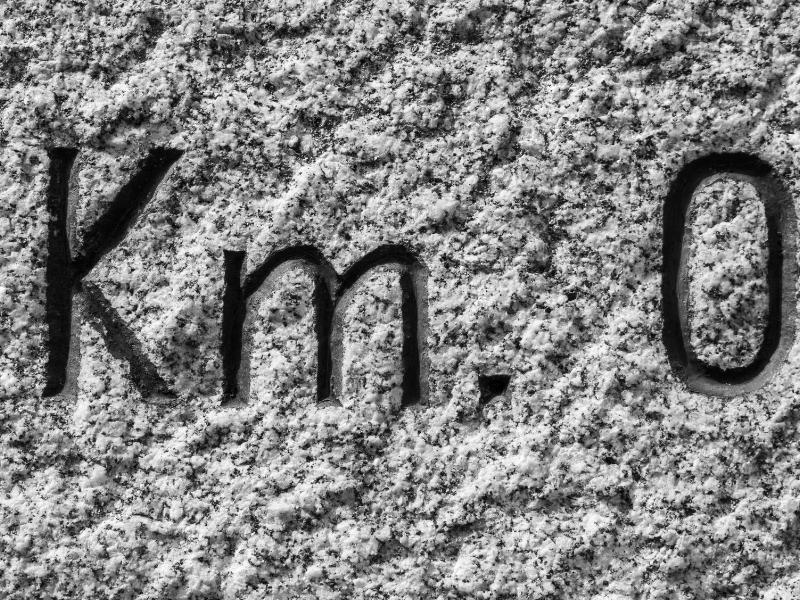
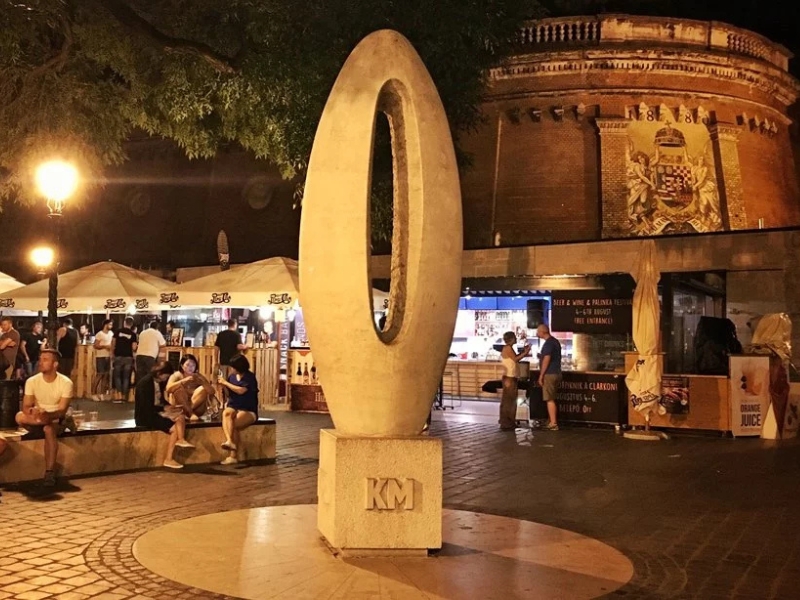
The current Zero Kilometre Stone sculpture was unveiled in 1975. Designed by Miklós Borsos, it is a simple yet striking piece of public art. The sculpture features a large zero, symbolizing the starting point of the Hungarian road network. The base of the sculpture bears the inscription “KM,” signifying kilometers.
A Cultural and Historical Landmark
The Zero Kilometre Stone is more than just a geographical marker. It has become a cultural and historical landmark, representing the heart of Hungary’s road network. The square where it is located, Clark Ádám Square, is a bustling hub of activity, with the iconic Chain Bridge and the Buda Castle Hill in the background.
The stone’s location at the foot of the Chain Bridge, a symbol of Budapest’s unity, further enhances its significance. It serves as a reminder of the city’s strategic importance and its role as a transportation hub.
A Deeper Dive into the Stone’s Significance
The Zero Kilometre Stone is a symbol of connectivity and distance. It represents the idea that all roads in Hungary lead back to this central point. The stone also serves as a reminder of the importance of infrastructure and transportation in modern society.
For visitors to Budapest, the Zero Kilometre Stone is a fascinating landmark that offers a glimpse into the city’s history and culture. It is a great place to start exploring the city and to learn more about its transportation network.
Tips for Visiting the Zero Kilometre Stone
- Best Time to Visit: The Zero Kilometre Stone can be visited at any time of year. However, the best time to visit is during the spring and summer months, when the weather is pleasant and there are many outdoor activities.
- Nearby Attractions: The Zero Kilometre Stone is located near several popular attractions, including the Chain Bridge, Buda Castle, and the Fisherman’s Bastion.
- Public Transportation: The square is easily accessible by public transportation, including buses, trams, and the metro.
By visiting the Zero Kilometre Stone, you can gain a deeper appreciation for the history and culture of Budapest. This simple yet significant landmark is a must-see for any visitor to the city.
Zero Kilometre Stone is part of Budapest scavenger hunt and walking tour!
Embark on an unforgettable journey through the enchanting city of Budapest with World City Trail. Our interactive walking tour combines the thrill of exploration with the rich history and culture of this beautiful city.
Key Features:
Interactive gameplay: Solve engaging puzzles and challenges as you explore the city.
Hidden gems: Uncover lesser-known spots.
Cultural insights: Learn about the city’s fascinating history.
Flexibility: Explore at your own pace and create your own itinerary.
Family friendly activity and a great way to explore the city!
Further reading on Wikipedia: Budapest