

Table of Contents
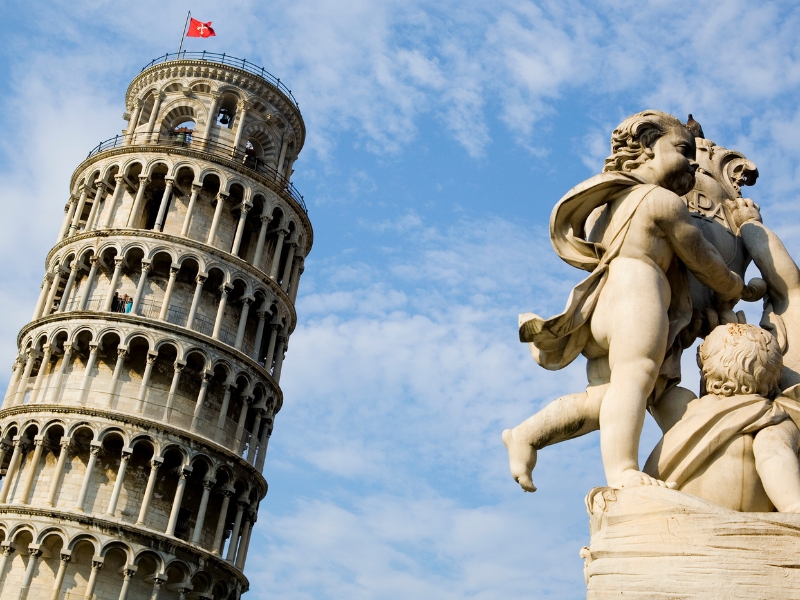
The Leaning Tower of Pisa, a masterpiece of Romanesque architecture and arguably the world’s most famous leaning structure, is an iconic symbol of Italy and a must-see for any visitor to the country. This magnificent bell tower, located within the awe-inspiring Piazza dei Miracoli (Square of Miracles) in Pisa, has captivated and intrigued people for centuries with its unique architectural feat and its fascinating history.
A Monumental Undertaking
Construction of the Leaning Tower began in 1173, during a period of great prosperity for the Republic of Pisa. The tower, designed to be the campanile (bell tower) of the adjacent Pisa Cathedral, was intended to be a testament to the city’s wealth and power. The architects envisioned a grand structure, built entirely from white marble, that would stand as a symbol of Pisan dominance.
However, construction soon encountered unforeseen challenges. The foundation, built on soft, unstable ground, began to settle unevenly, causing the tower to lean almost immediately. Despite this setback, construction continued, with builders attempting to compensate for the tilt by making the upper floors slightly taller on the shorter side. However, these efforts were only partially successful, and the tower continued to lean throughout its construction, which spanned over two centuries.
A Symbol of Engineering Challenges
The Leaning Tower of Pisa became a symbol of both architectural ambition and the challenges of construction. The unintended lean, while initially a source of concern, eventually transformed the tower into a global icon, capturing the imaginations of people around the world.
Over the centuries, various efforts were made to stabilize the tower and prevent its collapse. In the late 20th century, a major engineering project was undertaken to reduce the lean and ensure the tower’s long-term stability. Soil was removed from beneath the raised side of the foundation, causing the tower to settle slightly and reducing its tilt. This ambitious project was a success, significantly mitigating the risk of collapse and ensuring that this architectural marvel can continue to be enjoyed by future generations.
A Global Icon
Today, the Leaning Tower of Pisa is one of the most popular tourist attractions in Italy and a must-see destination for any visitor to the country. Millions of tourists flock to Pisa each year to witness this architectural marvel firsthand and capture the iconic image of the leaning tower against the backdrop of the blue Italian sky.
Climbing the 294 steps to the top of the tower offers breathtaking views of the city of Pisa and the surrounding countryside. The experience of ascending the leaning structure is unique and unforgettable, providing a thrilling perspective on this architectural marvel.
Beyond the Lean
While the lean is undoubtedly the most famous feature of the Leaning Tower of Pisa, it’s important to remember that it is also a significant architectural achievement in its own right. The tower is a beautiful example of Romanesque architecture, with its elegant arches, intricate details, and harmonious proportions. It stands as a testament to the skill and ingenuity of the medieval builders who constructed this remarkable structure.
The Leaning Tower of Pisa is more than just a tourist attraction; it’s a symbol of human ingenuity and resilience. Despite the unexpected challenges encountered during its construction, the tower has endured for centuries, a testament to the skill and determination of its builders. It stands as a reminder that even in the face of adversity, human ingenuity can overcome obstacles and create something truly extraordinary.

Tower of Pisa is part of Pisa scavenger hunt and walking tour!
Embark on an unforgettable journey through the enchanting city of Pisa with World City Trail. Our interactive walking tour combines the thrill of exploration with the rich history and culture of this beautiful city.
Key Features:
Interactive gameplay: Solve engaging puzzles and challenges as you explore the city.
Hidden gems: Uncover lesser-known spots.
Cultural insights: Learn about the city’s fascinating history.
Flexibility: Explore at your own pace and create your own itinerary.
Family friendly activity and a great way to explore the city!
Further reading on Wikipedia: Pisa