
Table of Contents
Standing as a monumental testament to the planet’s extraordinary diversity, the Smithsonian National Museum of Natural History in Washington D.C. is far more than a collection of specimens; it’s a living encyclopedia of the natural world, a sanctuary where the wonders of Earth’s history and biodiversity unfold. This iconic institution, far from being a mere display of artifacts, is a vibrant chronicle of scientific discovery, a celebration of the interconnectedness of life, and a place where the echoes of ancient ecosystems resonate with the pressing questions of modern science.
A National Institution
The Smithsonian National Museum of Natural History’s narrative begins with the Smithsonian Institution’s commitment to collecting and displaying specimens from the natural world, a reflection of the burgeoning scientific curiosity of the 19th century. Over decades, as scientific understanding deepened and the collection grew, the museum evolved into a dedicated institution, a repository for an ever-expanding array of fossils, minerals, plants, and animals. Its role as a center for research, education, and public engagement solidified its place as a national institution.
This evolution mirrors the nation’s own journey, reflecting its periods of scientific advancement, environmental awareness, and public education. The museum became a physical representation of human knowledge about the natural world.
The Museum’s Visual Legacy
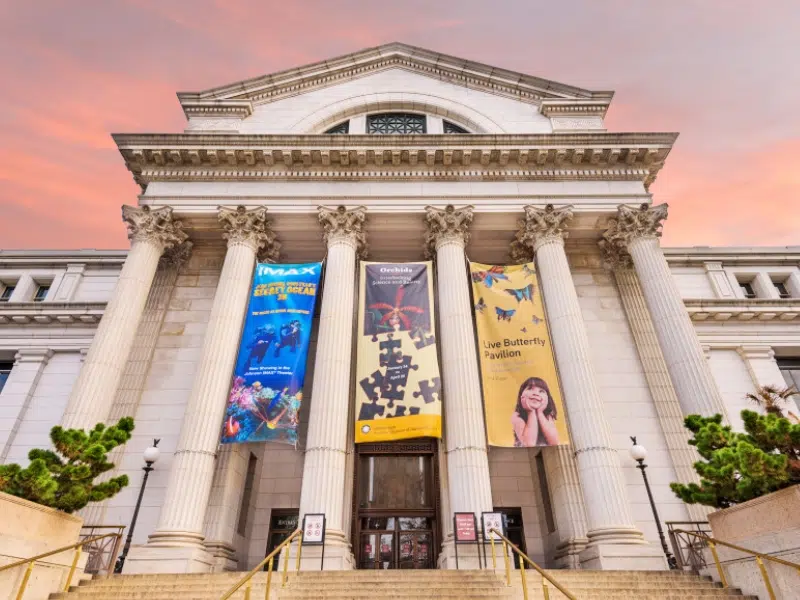
The Smithsonian National Museum of Natural History’s architectural design is characterized by its Beaux-Arts grandeur, with its imposing facade, monumental columns, and intricate details. The building’s exterior, crafted from granite and marble, exudes a sense of timeless elegance and scientific authority. The interior, meticulously designed to showcase the museum’s diverse collections, features a series of grand halls, themed galleries, and interactive exhibits.
- Paleontology: The Museum of Natural History boasts one of the world’s most extensive collections of dinosaur fossils, including the iconic Diplodocus skeleton in the Rotunda. The paleontology halls also feature exhibits on prehistoric mammals, marine life, and the evolution of life on Earth.
- Anthropology: The museum’s anthropology collections feature artifacts and exhibits on human cultures from around the world, including ancient civilizations, indigenous peoples, and the evolution of human societies.
- Botany: The herbarium houses millions of dried plant specimens, representing a vast record of plant diversity. The botany exhibits also feature displays on plant evolution, ecology, and the importance of plants to human life.
- Zoology: The museum’s zoology collections include specimens of mammals, birds, reptiles, amphibians, fish, and invertebrates from around the world. The Ocean Hall features exhibits on marine life, including a giant squid and a life-size model of a North Atlantic right whale.
- Entomology: The insect zoo and its associated collections display a wide range of insects and other arthropods, educating visitors about their vital role in the ecosystem.
A Symbol of Human Curiosity
Today, the Smithsonian National Museum of Natural History remains a valued landmark in Washington D.C., acting as a national museum, a center for scientific exploration, and a symbol of human curiosity and environmental stewardship. It provides a unique connection to the natural world, offering visitors a chance to explore the wonders of Earth’s history and biodiversity through its captivating collections. Its central location, on the National Mall, makes it accessible to both residents and tourists.
Its historical significance, architectural beauty, and educational value attract visitors from all walks of life, contributing to Washington D.C.’s tourism industry. The museum’s presence enriches the city’s cultural landscape and reinforces Washington D.C.’s reputation as a center of scientific research and environmental awareness, serving as a dynamic link between the past, present, and future of our planet. The Museum of Natural History continues to be a vital part of the nation’s scientific and educational scene, with collections that promote understanding, appreciation, and conservation.

Museum of Natural History is part of Washington scavenger hunt and walking tour!
Embark on an unforgettable journey through the enchanting city of Washington with World City Trail. Our interactive walking tour combines the thrill of exploration with the rich history and culture of this beautiful city.
Key Features:
Interactive gameplay: Solve engaging puzzles and challenges as you explore the city.
Hidden gems: Uncover lesser-known spots.
Cultural insights: Learn about the city’s fascinating history.
Flexibility: Explore at your own pace and create your own itinerary.
Family friendly activity and a great way to explore the city!
Further reading on Wikipedia: Washington, D.C.