
The street’s name pays homage to Imre Thököly (1657–1705), a prominent figure in Hungarian history. Thököly was a leader of the Kuruc, a group of Hungarian noblemen and rebels who fought against Habsburg rule in the late 17th century. His fight for Hungarian independence, though ultimately unsuccessful, cemented his place in the national consciousness as a freedom fighter. The street was officially named in his honor in 1906, a year of significant national symbolism when the remains of several Hungarian heroes, including Thököly, were repatriated. This act was a powerful gesture of national pride and a recognition of the sacrifices made in the struggle for sovereignty.
The choice of Thököly as the street’s namesake is fitting, as the avenue itself was a product of the same era of national awakening and urban development that celebrated figures like him. Its development was part of a larger, late-19th-century project to modernize Budapest, connecting its new central railway station to the city’s green spaces and expanding its urban core.
Architectural Splendor and Urban Evolution
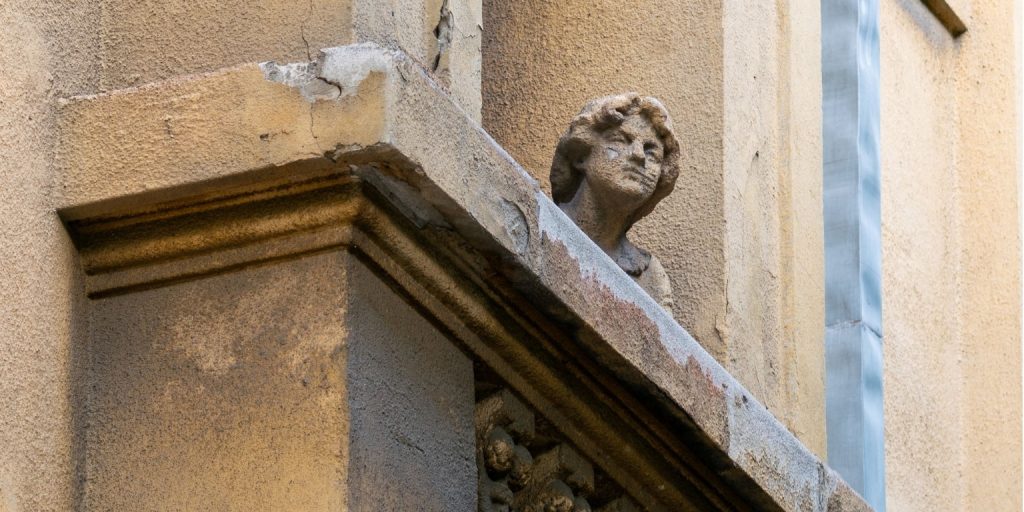
The architectural landscape of Thököly út is a testament to Budapest’s rapid growth and the prevailing styles of the late 19th and early 20th centuries. The avenue is lined with a mix of historicist, Art Nouveau, and Secession-style apartment buildings. These multi-story residential structures, often referred to as “gangway houses,” are characterized by their ornate facades, decorative motifs, and elegant balconies. They were built to accommodate the city’s burgeoning middle class and reflect the architectural confidence of the era. The street’s development was so accelerated that a nearby district was nicknamed “Csikágó” (Hungarian for “Chicago”), a testament to the fast-paced, modern development that residents felt mirrored the growth of American metropolises.
While the primary architectural style is from the late 19th century, the street’s buildings also bear the marks of subsequent eras, including socialist-era modifications and modern renovations. This mix creates a rich urban tapestry that tells the story of Budapest’s continuous evolution.
The Pulse of Everyday Life
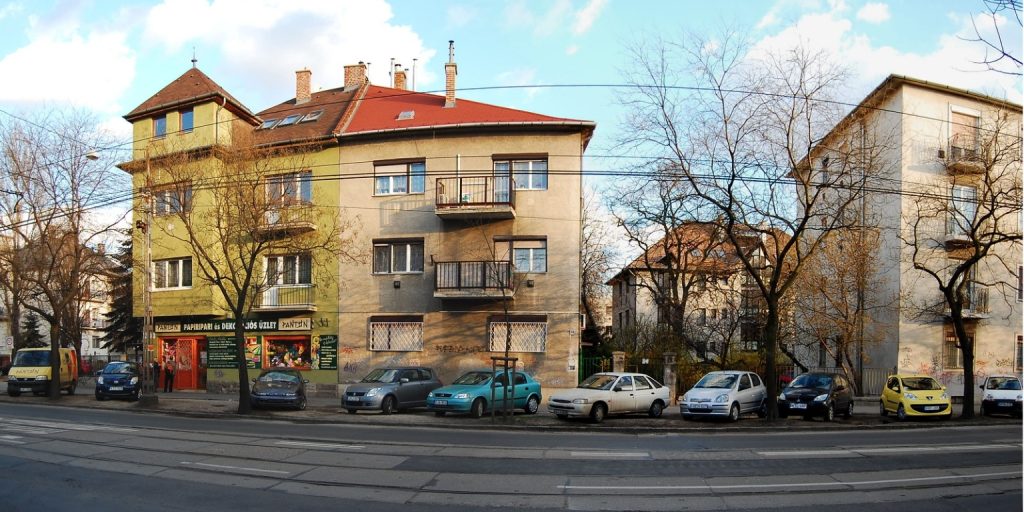
Unlike the more tourist-focused areas of central Pest, Thököly út offers an authentic glimpse into everyday life in Budapest. It is a bustling commercial and residential corridor, a hub of activity for locals going about their daily routines. The street is a microcosm of the city’s social fabric, with a diverse mix of residents and a vibrant commercial scene.
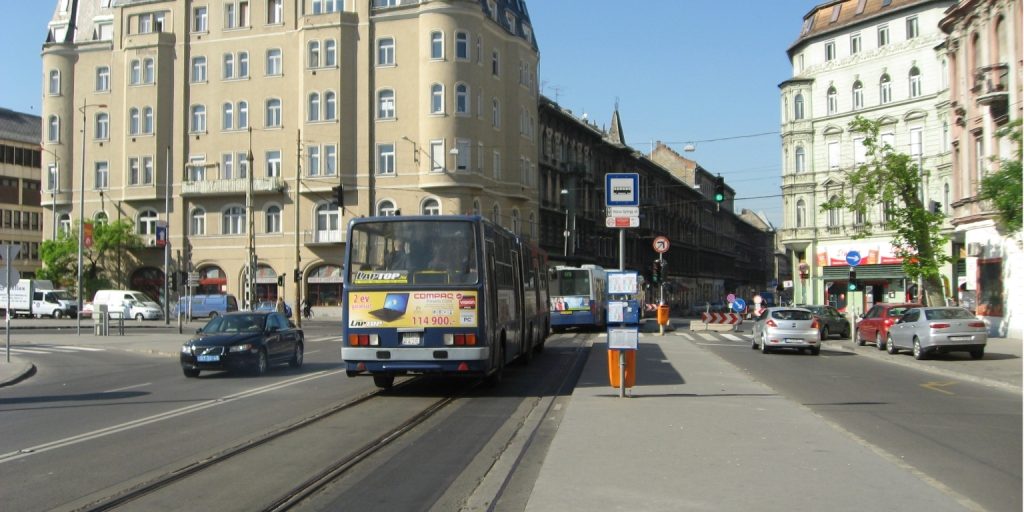
Along the avenue, you’ll find a wide array of shops, cafes, and small businesses that cater to the local community. From bakeries and butchers to pharmacies and small restaurants, the street has everything a neighborhood needs. This strong sense of local community gives Thököly út its unique character, a stark contrast to the often-polished facades of the main tourist attractions. The street is also well-served by public transport, with numerous tram and bus lines that make it an easily accessible and well-connected part of the city.
A Gateway to City Park
Thököly út’s location is one of its most defining features. At one end, it connects directly to Keleti Pályaudvar (Eastern Railway Station), one of Budapest’s main international and domestic transport hubs. This makes it a first point of contact for many travelers arriving in the city, providing a powerful initial impression of its residential character.
At the other end, the street leads to the City Park (Városliget), Budapest’s largest public park and a center for culture and recreation. This proximity allows residents and visitors to seamlessly transition from the urban bustle to a serene green space. The park is home to a number of major landmarks, including Heroes’ Square, the Vajdahunyad Castle, the Széchenyi Thermal Baths, and the Museum of Fine Arts. The fact that Thököly út provides a direct route to this cultural hub reinforces its importance in Budapest’s urban geography.
In essence, Thököly út is more than just a street. It is a living document of Budapest’s history, a showcase of its architectural heritage, and a vibrant artery that connects some of the city’s most important public spaces. Its blend of historical significance, architectural beauty, and daily urban life makes it a compelling and authentic part of the Budapest experience.