
Table of Contents
“Queen City” of the Hanseatic League
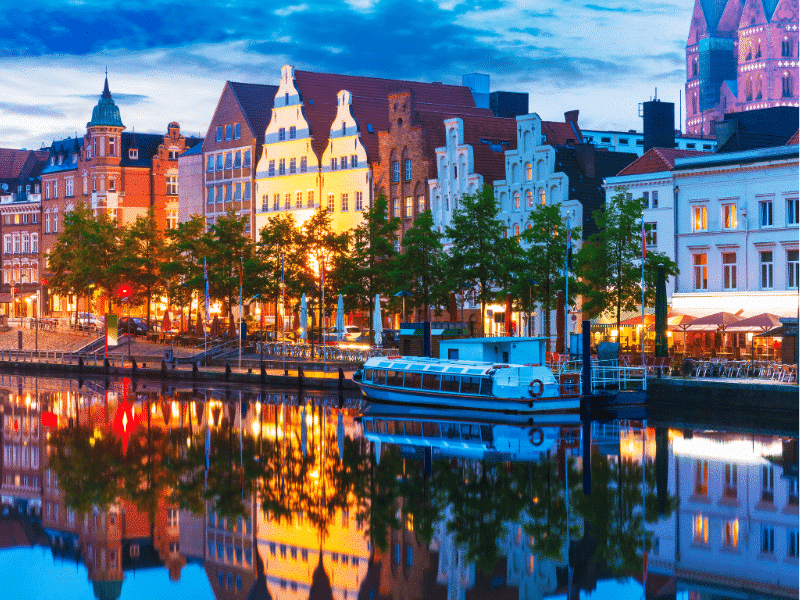
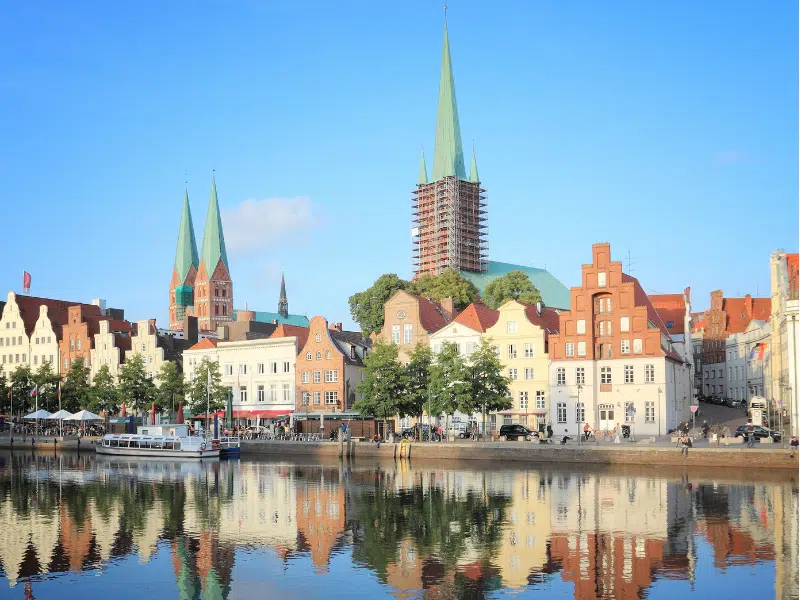
Lübeck is a charming German city known for its well-preserved medieval architecture and rich history. As the former “Queen City” of the Hanseatic League, it played a crucial role in European trade for centuries. Lübeck’s historic center is a UNESCO World Heritage Site, featuring iconic landmarks like the Holstentor gate, St. Mary’s Church, and the Lübeck Cathedral. With its picturesque canals, cobblestone streets, and vibrant cultural scene, Lübeck offers a delightful blend of tradition and modernity.
Key Features of Lübeck
- UNESCO World Heritage Site: Lübeck’s historic center is a UNESCO World Heritage site, renowned for its well-preserved medieval architecture.
- Hanseatic League Capital: As the former “Queen City” of the Hanseatic League, Lübeck played a pivotal role in European trade for centuries.
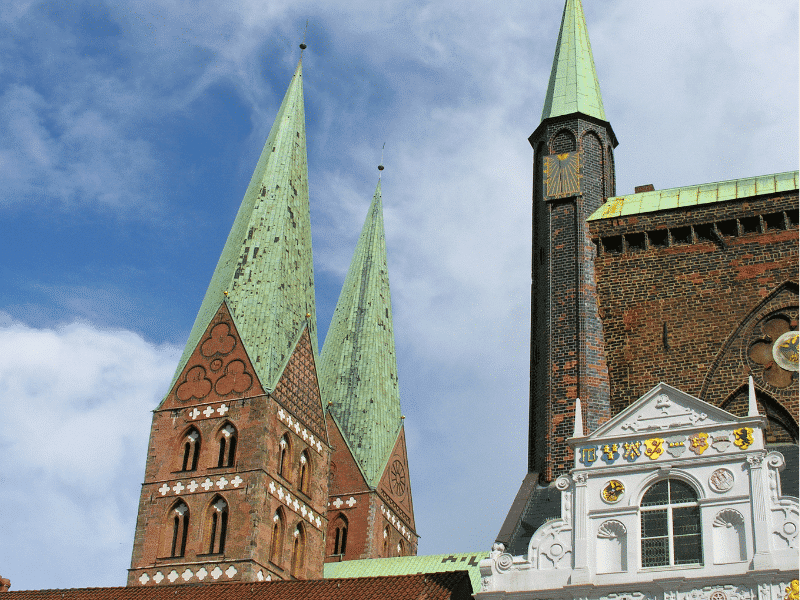
- Brick Gothic Architecture: The city is famous for its impressive Brick Gothic architecture, exemplified by St. Mary’s Church (Marienkirche) and the Lübeck Cathedral.
- Holstentor Gate: One of Lübeck’s most iconic landmarks, the Holstentor gate is a fortified city gate dating back to the 15th century.
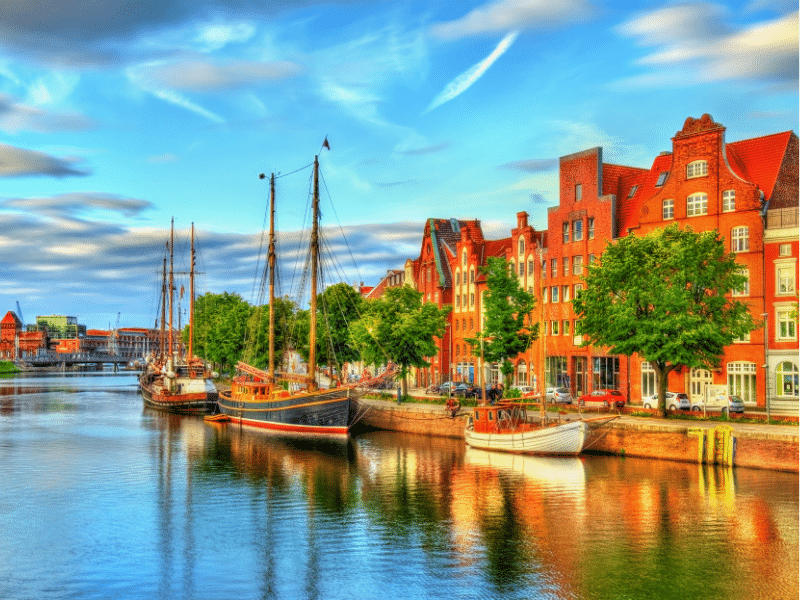
- Picturesque Canals: Lübeck’s charming canals, lined with historic buildings, create a picturesque atmosphere.
- Marzipan Capital: The city is known worldwide for its delicious marzipan, a sweet almond paste confectionery.
- Cultural Scene: Lübeck offers a vibrant cultural scene, with museums, theaters, and music venues.
Fun Facts About Lübeck
A Culinary Delight: In addition to marzipan, Lübeck is known for its traditional dishes like “Lübecker Marzipanbrot” (marzipan bread) and “Labskaus” (a meat and potato dish).
Marzipan Madness: Lübeck is the “Marzipan Capital of the World,” with a long tradition of producing this delicious almond paste confectionery.
The “Queen City”: As the “Queen City” of the Hanseatic League, Lübeck once ruled the waves of European trade.
A Literary Haven: The city was the birthplace of the famous writer Thomas Mann, who received the Nobel Prize in Literature in 1929.
A Green City: Lübeck is renowned for its green spaces, including the Behncke Park, which offers beautiful gardens and walking trails.
A Festive Atmosphere: The city hosts various festivals throughout the year, including the Lübeck Maritime Days and the Christmas Market.
A Historic Prison: The St. Jürgen Prison, once a notorious jail, has been transformed into a cultural center and museum.
A City of Water: Lübeck is surrounded by water, with the Trave River flowing through it and the Baltic Sea nearby.
Local legends about Lübeck
Local Legends of Lübeck
Lübeck, with its rich history and enchanting atmosphere, is steeped in local legends and folklore. Here are a few of the most popular:
The Legend of the Rat Catcher of Hamelin
While this legend is more widely known, it is believed to have originated in Lübeck. The story tells of a piper who was hired to rid the city of rats but, when denied payment, lured the children away with his music.
The Legend of the Dancing Horses
It is said that in the 17th century, horses in Lübeck began to dance in the streets. Some believed it was a sign of divine intervention, while others attributed it to a curse.
The Legend of the Green Lady
The legend of the Green Lady is associated with St. Mary’s Church. It is said that a woman, heartbroken by the loss of her lover, turned green with grief and now haunts the church, searching for her lost love.
The Legend of the White Ship
The legend of the White Ship tells of a ghostly ship that appears in the Trave River. Some believe it is the ship of a pirate who was cursed to sail forever.
Fun Facts about Lübeck-What about the history of Lübeck?
Hanseatic League:
- Dominant Power: Lübeck was the most powerful and influential city within the Hanseatic League, a medieval commercial alliance that controlled trade routes across Northern Europe.
- Economic Prosperity: The city’s strategic location on the Baltic Sea and its efficient trading practices led to immense economic prosperity during the 13th to 15th centuries.
- Political Influence: Lübeck’s wealth and power allowed it to exert significant political influence in the region.
Medieval Architecture:
- Brick Gothic Style: Lübeck is famous for its impressive Brick Gothic architecture, a style characterized by its use of red brick in construction.
- Iconic Landmarks: The city boasts several iconic landmarks, including the Holstentor gate, St. Mary’s Church (Marienkirche), and the Lübeck Cathedral.
- UNESCO World Heritage Site: The historic center of Lübeck has been recognized as a UNESCO World Heritage Site due to its exceptional architectural and historical significance.
Cultural Heritage:
- Marzipan Capital: Lübeck is known worldwide as the “Marzipan Capital of the World,” with a long tradition of producing this delicious almond paste confectionery.
- Literary Connection: The city was the birthplace of the famous writer Thomas Mann, who received the Nobel Prize in Literature in 1929.
- Festivals and Events: Lübeck hosts various festivals and events throughout the year, including the Lübeck Maritime Days and the Christmas Market.
Other Notable Points:
- Picturesque Canals: Lübeck’s charming canals, lined with historic buildings, create a picturesque atmosphere.
- Green Spaces: The city offers beautiful green spaces, such as the Behncke Park, for visitors to enjoy.
- A City of Water: Lübeck is surrounded by water, with the Trave River flowing through it and the Baltic Sea nearby.
Fun Facts about Lübeck-Must-Try Food in Lübeck

Marzipan: As the “Marzipan Capital of the World,” Lübeck is renowned for its delicious almond paste confectionery. Don’t miss the opportunity to try traditional marzipan treats like marzipan bread, marzipan figures, or marzipan chocolates.
Labskaus: This hearty dish, made with corned beef, potatoes, beets, and onions, is a classic German comfort food. It is often served with pickled herring and a fried egg.
Lübecker Rotwurst: This traditional smoked sausage is made with pork and spices. It’s often served with sauerkraut and bread.
Lübecker Marzipanbrot: This sweet bread is filled with marzipan and is a popular treat in Lübeck.
Fischbrötchen: These fish sandwiches are a popular street food in Germany. They are typically made with fried or grilled fish, tartar sauce, and bread.
Kieler Sprotten: These small, smoked sprats are a delicacy in Northern Germany. They are often served as an appetizer or snack.
Lübecker Gewürzkuchen: This spiced cake is a traditional German dessert. It is made with a rich, buttery dough and filled with a sweet, spiced filling.
Fun Facts about Lübeck-Must Visit Attractions in Lubeck
Burgtor is a fortified city gate that provides a glimpse into Lübeck’s medieval past. The Hospital of the Holy Spirit is a historic building that has served as a hospital, orphanage, and museum. The Theater Lübeck is a renowned theater that hosts a variety of performances, including plays, operas, and concerts. The Buddenbrookhaus is the former home of the Nobel Prize-winning author Thomas Mann and now houses a museum dedicated to his life and work.
Marienkirche is a stunning Brick Gothic church with a towering spire and intricate stained glass windows. The Stadtverwaltung Hansestadt is the city hall of Lübeck and a beautiful example of Renaissance architecture. The Museum Holstentor is housed within the iconic Holstentor gate and showcases the history of the Hanseatic League.
St. Peter’s Church is another impressive Brick Gothic church with a rich history. The Museumsquartier St. Annen is a cultural district that houses several museums, including the Museum of Art and the Museum of Natural History. Finally, the Lübeck Cathedral is a magnificent Gothic cathedral with a breathtaking interior and a long history.
This walking tour will take you through the heart of Lubeck, allowing you to experience the city’s rich history, stunning architecture, and cultural significance.
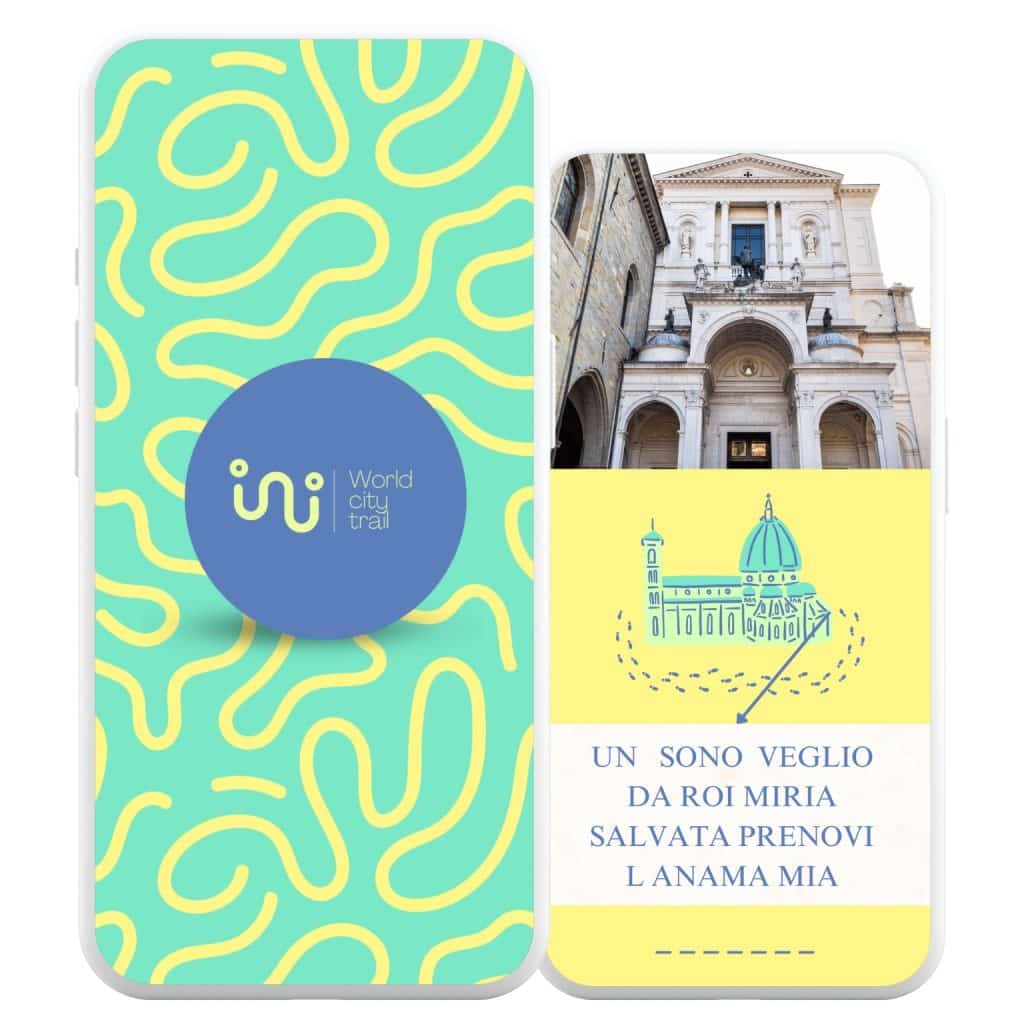
Embark on an unforgettable journey through the enchanting city of Lubeck with World City Trail. Our interactive walking tour combines the thrill of exploration with the rich history and culture of this beatiful city.
Key Features of World City Trail
Interactive gameplay: Solve engaging puzzles and challenges as you explore the city.
Iconic landmarks: Discover famous attractions like the Hospital of the Holy Spirit, Theater Lübeck
Hidden gems: Uncover lesser-known spots, such as the Museum Holstentor or the St. Peter’s Church
Cultural insights: Learn about Lubeck’s fascinating history.
Flexibility: Explore at your own pace and create your own itinerary.
Learn more fun facts about Lübeck, local legends and more info about the attractions!
Book your Lubeck adventure today and experience the magic of this beatiful city.
Further reading on Wikipedia: St. Mary's Church, Lübeck