
Table of Contents
The capital of Portugal
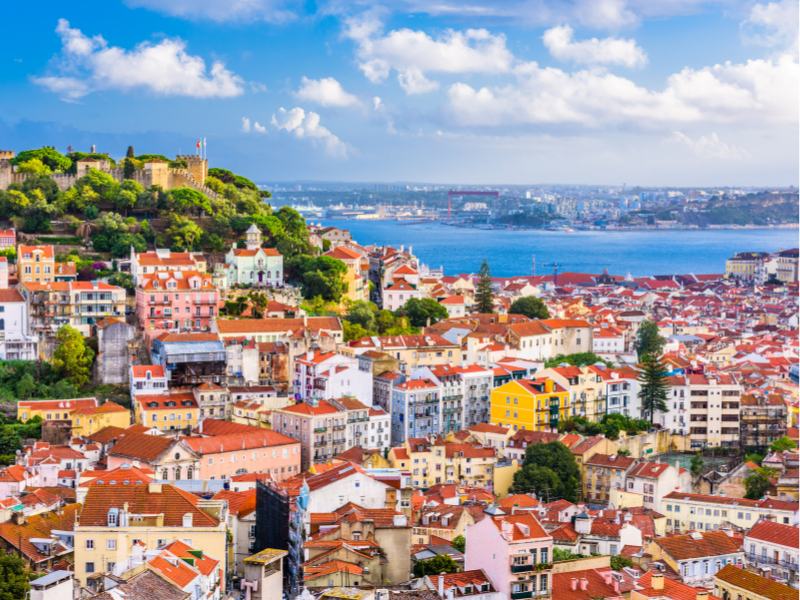
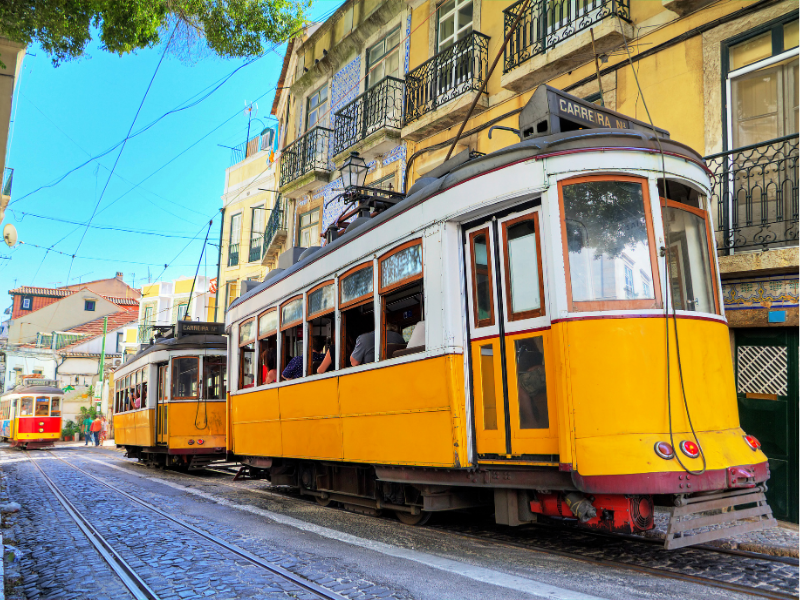
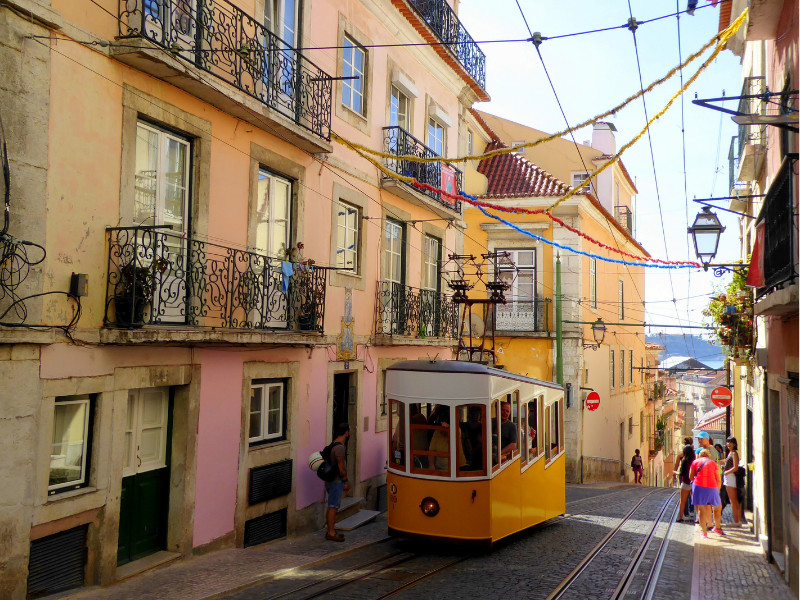
Lisbon, the capital of Portugal, is a vibrant city with a rich history and stunning architecture. Nestled along the Tagus River, it boasts a Mediterranean climate, charming cobblestone streets, and picturesque viewpoints. With its iconic landmarks like the Belém Tower, Jerónimos Monastery, and São Jorge Castle, Lisbon offers a captivating blend of ancient and modern. Discover the city’s vibrant culture through its traditional fado music, delicious cuisine, and lively neighborhoods like Alfama and Bairro Alto. Whether you’re exploring the historic center, relaxing by the river, or enjoying the lively nightlife, Lisbon is sure to leave a lasting impression.
Key Features of Lisbon
- Rich History: Lisbon’s history dates back centuries, evident in its stunning historical landmarks like the Belém Tower, Jerónimos Monastery, and São Jorge Castle.
- Beautiful Architecture: The city boasts a unique blend of architectural styles, from the Pombaline architecture that rebuilt Lisbon after the 1755 earthquake to the Moorish influences in Alfama.
- Mediterranean Climate: Enjoy pleasant weather year-round with mild winters and warm summers.
- Charming Neighborhoods: Explore the vibrant neighborhoods of Alfama, Bairro Alto, and Chiado, each with its own distinct atmosphere and attractions.
- Delicious Cuisine: Indulge in traditional Portuguese dishes like bacalhau (cod), pastéis de nata (custard tarts), and grilled sardines.
- Fado Music: Experience the soulful sounds of fado, a traditional Portuguese music genre that has been recognized as a UNESCO World Heritage.
- Stunning River Views: Admire the picturesque views of the Tagus River, which flows through the heart of the city.
- Vibrant Nightlife: Enjoy Lisbon’s lively nightlife scene with a wide range of bars, clubs, and music venues.
- Affordable Prices: Lisbon offers a relatively affordable cost of living compared to other European capitals.
Fun Facts About Lisbon
- The Seven Hills of Lisbon: Like Rome, Lisbon is built on seven hills, each with its own unique charm and history.
- The Great Earthquake: In 1755, Lisbon was devastated by a massive earthquake. The city was rebuilt in a new style known as Pombaline architecture, which was designed to be more earthquake-resistant.
- The Oldest Bookstore in the World: Livraria Bertrand, founded in 1732, is considered one of the oldest bookstores in the world.
- The World’s Largest Oceanarium: The Oceanário de Lisboa is one of the largest oceanariums in the world, featuring a variety of marine life from different habitats.
- The Home of Pastéis de Nata: Lisbon is the birthplace of the famous pastéis de nata, a delicious custard tart that has become a beloved Portuguese treat.
- A City of Elevators: Lisbon is known for its historic elevators, including the Santa Justa Elevator, which offers stunning views of the city.
- The World’s First Zoo: The Lisbon Zoo, founded in 1884, is one of the oldest zoos in the world.
- A City of Festivals: Lisbon hosts numerous festivals throughout the year, including the Lisbon Music Festival, the Fado Festival, and the São João Festival.
- The City of Seven Wonders: Lisbon is home to seven iconic landmarks that are often referred to as the “Seven Wonders of Lisbon.” These include the Belém Tower, Jerónimos Monastery, São Jorge Castle, Praça do Comércio, Alfama, the Santa Justa Elevator, and the Oceanário de Lisboa.
Local legends about Lisbon
The Legend of São Vicente:
- The Story: São Vicente, a young Christian martyr, was tied to a wooden post and grilled to death. After his martyrdom, his body was thrown into the sea, but miraculously, it floated back to shore and was buried in the place that is now known as São Vicente de Fora Monastery.
- The Legend: It is said that if you visit the monastery on São Vicente’s feast day (January 22nd), you can hear the sound of his bones rattling in the tomb.
The Legend of the Moors and the Christians:
- The Story: After the Reconquista, the Moors were driven out of Lisbon. As they were leaving, they buried their treasures in the city.
- The Legend: Many people have tried to find the hidden treasures of the Moors, but none have been successful. Some believe that the treasure is guarded by a magical creature.
The Legend of the Alfama Cat:
- The Story: A cat is said to have saved the city of Lisbon during the 1755 earthquake. The cat is said to have alerted the people of the city to the impending disaster by scratching at the door of a church.
- The Legend: The cat is said to be the ancestor of all the cats in Alfama, and it is believed that if you see a black cat in the neighborhood, it is a sign of good luck.
What about the history of Lisbon?
Prehistoric Times:
- Evidence suggests that the area around Lisbon was inhabited as early as the Paleolithic period.
Phoenicians and Celts:
- The Phoenicians established a trading post on the Tagus River, and later, the Celts arrived and settled in the region.
Roman Conquest:
- In the 2nd century BC, the Romans conquered the area and founded the city of Olisipo. The city grew in importance as a port and administrative center.
Visigothic and Moorish Rule:
- After the fall of the Roman Empire, the Visigoths and then the Moors ruled Lisbon. The Moorish influence is still evident in the city’s architecture and culture.
Reconquista and Portuguese Kingdom:
- In the 12th century, the Christian forces (Reconquista) began to drive out the Moors. Lisbon was captured in 1147, and it became the capital of the newly formed Kingdom of Portugal.
- Under the Portuguese monarchy, Lisbon flourished as a center of trade, exploration, and cultural development. The Age of Discovery, led by Portuguese explorers like Vasco da Gama, brought great wealth and prestige to the city.
1755 Earthquake:
- A devastating earthquake struck Lisbon in 1755, destroying much of the city. The rebuilding effort, led by Prime Minister Marquis of Pombal, resulted in a new urban plan and architectural style known as Pombaline.
19th and 20th Centuries:
- Lisbon continued to evolve throughout the 19th and 20th centuries, experiencing periods of growth, political turmoil, and modernization. The city played a role in both World Wars.
- In 1974, Portugal experienced the Carnation Revolution, which brought an end to the dictatorship and ushered in a period of democracy.
Must-Try Food in Lisbon
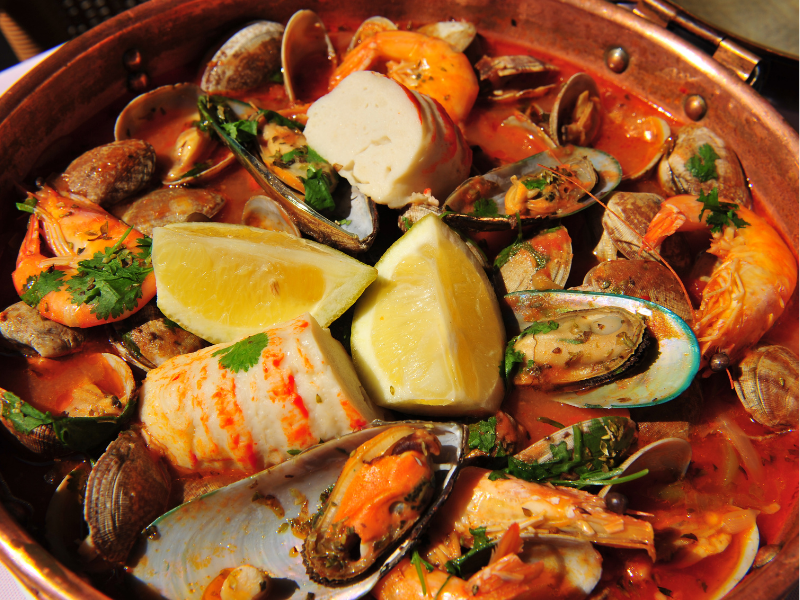
Seafood:
- Bacalhau: Codfish prepared in various ways, often with potatoes, onions, and olives.
- Sardinhas Assadas: Grilled sardines, a popular summer dish served with grilled bread.
- Caldeirada: A hearty fish stew with potatoes, vegetables, and spices.
Pastries:
- Pastéis de Nata: Custard tarts with a flaky pastry crust, a Lisbon specialty.
- Queijadas: Cheese tarts with a sweet and savory flavor.
- Bola de Berlim: A filled doughnut typically filled with cream or jam.
Other Dishes:
- Cozido à Portuguesa: A hearty stew with various meats, sausages, vegetables, and potatoes.
- Francesinha: A sandwich with grilled meat, cheese, and a rich sauce.
- Bifana: A sandwich with marinated pork loin and a piri-piri sauce.
Drinks:
- Ginjinha: A cherry liqueur served in small clay cups.
- Vinho Verde: A light, refreshing green wine from northern Portugal.
- Port Wine: A fortified wine produced in the Douro Valley, often served as a dessert wine.
Must Visit Attractions in Lisbon
Rossio Square, a vibrant hub with its iconic wavy mosaic pavement, is a popular meeting point
. Foz Palace, a stunning Baroque building, once served as the royal residence.
Miraduro de Sao Pedro Alcantara offers panoramic views of the city, while Sao Roque Church boasts intricate gilded interiors and a chapel built in Rome.
Luis de Camoes Square, named after the famous Portuguese poet, features a bronze statue and lush gardens.
Teatro Sao Carlos, a renowned opera house, showcases elegant architecture and world-class performances.
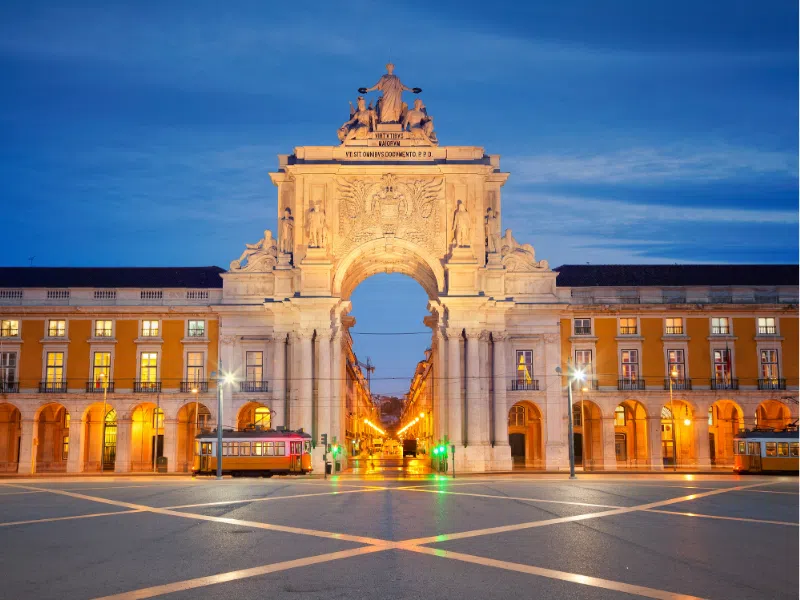
Praca do Comercio, a vast square by the Tagus River, is a historical landmark with stunning architecture and a lively atmosphere.
Lisbon Cathedral, the city’s oldest church, is a Gothic masterpiece with a rich history and beautiful stained glass windows.
This walking tour will take you through the heart of Lisbon, allowing you to experience the city’s rich history, stunning architecture, and cultural significance.

Explore Lisbon with World City Trail
Embark on an unforgettable journey through the enchanting city of Lisbon with World City Trail. Our interactive walking tour combines the thrill of exploration with the rich history and culture of this beatiful city.
Key Features:
Interactive gameplay: Solve engaging puzzles and challenges as you explore the city.
Iconic landmarks: Discover famous attractions like the Rossio Square and the Foz palace.
Hidden gems: Uncover lesser-known spots, such as the Teatro Sao Carlos or the Praca do comercio.
Cultural insights: Learn about Lisbon’s fascinating history.
Flexibility: Explore at your own pace and create your own itinerary.
Learn more fun facts about Lisbon!
Book your Lisbon adventure today and experience the magic of this beatiful city.
Further reading on Wikipedia: Alfama