

Table of Contents
The capital city of Canada
Ottawa is the capital city of Canada, located in the province of Ontario. Known for its stunning architecture, vibrant culture, and beautiful natural surroundings, Ottawa is a popular tourist destination. The city is home to the Canadian Parliament Buildings, the National Gallery of Canada, and the Canadian Museum of History.
Key features of Ottawa:
- National Capital: Ottawa is the capital city of Canada.
- Parliament Hill: The iconic Parliament Buildings are a major tourist attraction.
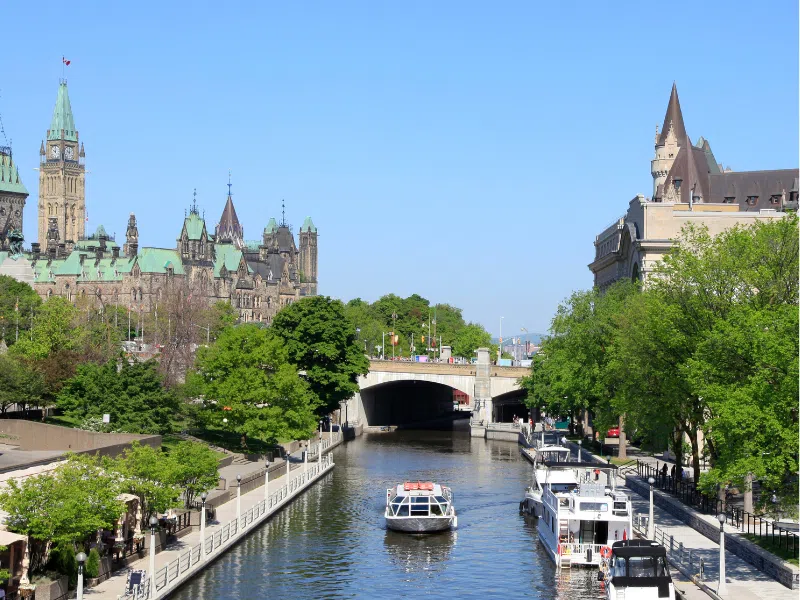
- Rideau Canal: A UNESCO World Heritage Site, the canal offers scenic views and recreational activities.
- Museums and Galleries: Ottawa is home to numerous world-class museums and art galleries.
- Natural Beauty: The city is surrounded by beautiful natural landscapes, including parks, forests, and rivers.
- Multiculturalism: Ottawa is a diverse city with a rich multicultural heritage.
- Festivals and Events: The city hosts a variety of festivals and events throughout the year.
- Winter Wonderland: Ottawa is known for its beautiful winters and festive atmosphere.
- Affordable Cost of Living: Compared to other major Canadian cities, Ottawa has a relatively affordable cost of living.
- Safe and Clean: Ottawa is consistently ranked as one of the safest and cleanest cities in the world.
Here are some fun facts about Ottawa:
- The “City of Gentlemen”: Ottawa is often called the “City of Gentlemen” due to its reputation for being a polite and courteous city.
- The “613”: The area code for Ottawa is 613, which is often used as a nickname for the city.
- The “National Capital Region”: Ottawa is part of the National Capital Region, a larger area that also includes the cities of Gatineau, Quebec.
- The “Beavertail”: A popular Canadian snack, the beavertail is a fried dough pastry topped with various toppings like cinnamon sugar, chocolate, or fruit.
- The “Rideau Canal Skateway”: In the winter, the Rideau Canal freezes over and becomes the world’s largest naturally frozen skating rink.
- The “Canadian Tulip Festival”: Every spring, Ottawa hosts the Canadian Tulip Festival, a celebration of the city’s Dutch heritage.
- The “National Arts Centre”: The National Arts Centre is one of Canada’s premier performing arts venues, hosting a variety of shows and concerts.
- The “ByWard Market: The ByWard Market is a historic market area with a variety of shops, restaurants, and street performers.
- The “Canadian War Museum”: The Canadian War Museum is one of the largest war museums in the world, showcasing the history of Canadian military service.
- The “National Gallery of Canada”: The National Gallery of Canada is home to one of the largest and most comprehensive collections of Canadian art in the world.

Local Legends of Ottawa
- The Ghost of Parliament Hill: Some say that the ghost of Sir John A. Macdonald, the first Prime Minister of Canada, haunts Parliament Hill. It is believed that he can sometimes be seen wandering the halls of the building.
- The Phantom of the Rideau Canal: There is a legend of a phantom ship that is said to sail the Rideau Canal at night. Some say it is the ghost of a ship that sank in the canal centuries ago.
- The Haunted Library: The National Archives of Canada is said to be haunted by the ghost of a former archivist. It is believed that he can sometimes be heard shuffling through the stacks of papers.
- The Witch of the Woods: There is a legend of a witch who once lived in the woods near Ottawa. It is said that she used her magic to protect the city from evil forces.
- The Haunted Hotel: Some say that the Château Laurier, a historic hotel in Ottawa, is haunted by the ghost of a former guest. It is believed that she can sometimes be seen wandering the halls of the hotel.
The History of Ottawa
- Early Settlement: The area that is now Ottawa was originally inhabited by Algonquin First Nations people. European settlers began arriving in the 17th century, primarily as fur traders and lumberjacks.
- Bytown: In 1826, a British military engineer named Colonel John By established a settlement at the confluence of the Ottawa and Rideau rivers, which he named Bytown. The settlement was chosen as the site for the construction of the Rideau Canal, a vital transportation link between the Great Lakes and the St. Lawrence River.
- Union of Upper and Lower Canada: In 1841, the provinces of Upper Canada (now Ontario) and Lower Canada (now Quebec) were united to form the Province of Canada. Bytown was chosen as the capital of the new province.
- Capital of Canada: In 1857, Bytown was officially renamed Ottawa and became the capital of the newly formed Dominion of Canada. The decision to choose Ottawa as the capital was a compromise between English-speaking and French-speaking Canadians, as it was a relatively neutral location.
- Growth and Development: In the decades following its selection as the capital, Ottawa experienced rapid growth and development. The Parliament Buildings were constructed, and the city’s infrastructure was expanded to accommodate the growing population.
- 20th Century: Ottawa played a significant role in Canadian history during the 20th century. The city was a center of government and military activity, and it was also a hub for cultural and artistic development.
- Modern Ottawa: Today, Ottawa is a vibrant and cosmopolitan city with a strong economy and a thriving cultural scene. It is a popular tourist destination, attracting visitors from around the world.
Must-Try Food in Ottawa

Canadian Classics
- Poutine: A classic Canadian dish consisting of French fries topped with cheese curds and gravy.
- Beavertails: A sweet pastry deep-fried and topped with various flavors like cinnamon sugar, chocolate, or fruit.
- Tourtière: A meat pie made with ground meat, potatoes, and spices.
- Maple Syrup: A Canadian staple, maple syrup is used to flavor pancakes, waffles, and other dishes.
Local Specialties:
- Ottawa Valley Beef: High-quality beef raised in the Ottawa Valley.
- Local Honey: Taste the pure, sweet flavor of local honey.
- Artisan Cheese: Sample a variety of delicious cheeses produced by local artisans.
Must Visit Attractions in Ottawa
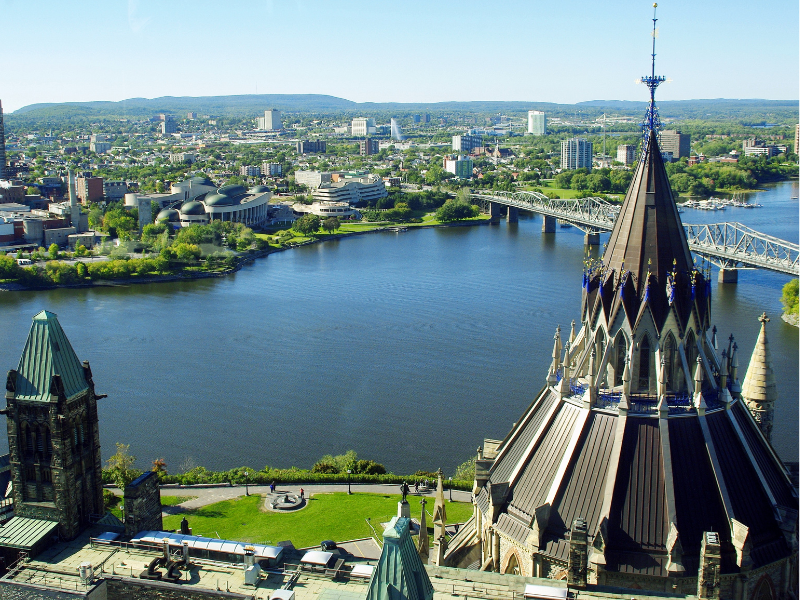
The Parliament of Canada is a stunning architectural complex that houses the Canadian government.
The Centennial Flame is a symbolic flame commemorating Canada’s 100th anniversary.
The National War Memorial is a moving tribute to Canadian soldiers who have served their country.
The Famous Five monument honors five Canadian women who fought for women’s suffrage. The Rideau Canal is a UNESCO World Heritage Site, offering scenic views and recreational activities.
Major’s Hill Park is a beautiful park overlooking the Ottawa River.
The Notre Dame Cathedral Basilica is a stunning Gothic cathedral.
The Royal Canadian Mint is where Canadian coins are made.
The National Gallery of Canada is home to a world-class collection of art.
The Samuel de Champlain Statue commemorates the French explorer who founded the city of Quebec.
This walking tour will take you through the heart of Ottawa, allowing you to experience the city’s rich history, stunning architecture, and cultural significance.
Explore Ottawa with World City Trail
Embark on an unforgettable journey through the enchanting city of Ottawa with World City Trail. Our interactive walking tour combines the thrill of exploration with the rich history and culture of this beatiful city.
Key Features:
Interactive gameplay: Solve engaging puzzles and challenges as you explore the city.
Iconic landmarks: Discover famous attractions like the The Famous Five and the Rideau Canal.
Hidden gems: Uncover lesser-known spots, such as the Centennial Flame or the The National War Memorial.
Cultural insights: Learn about Ottawa’s fascinating history.
Flexibility: Explore at your own pace and create your own itinerary.
Learn more fun facts about Ottawa!
Book your Ottawa adventure today and experience the magic of this beatiful city.
Further reading on Wikipedia: National Gallery of Canada