

Table of Contents
A city steeped in history and culture
Athens, a city steeped in history and culture, is renowned as the birthplace of Western civilization. Its iconic ancient monuments, bustling markets, and vibrant cultural scene offer a captivating blend of the past and present.
Key features of Athens:
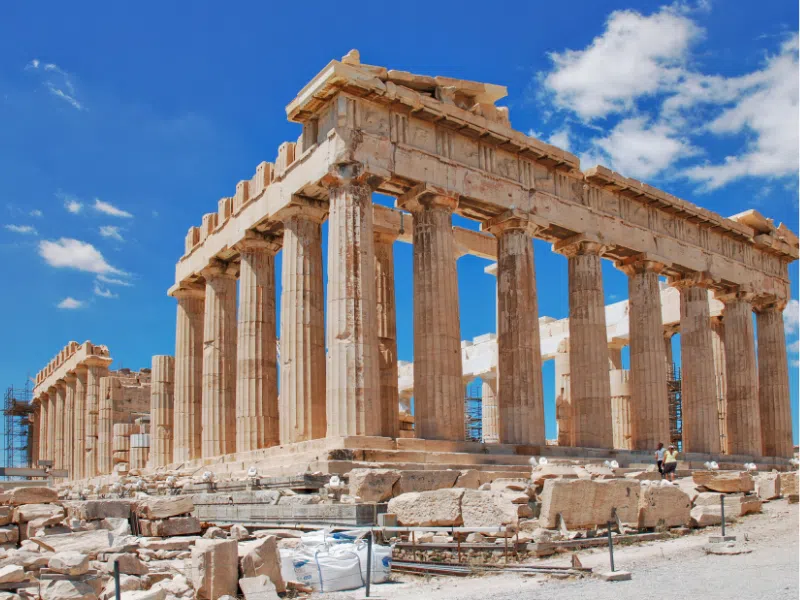
- Acropolis: The iconic hilltop citadel, home to the Parthenon, Erechtheion, and other ancient monuments.
- Ancient Agora: The central marketplace of ancient Athens, where political, economic, and social activities took place.
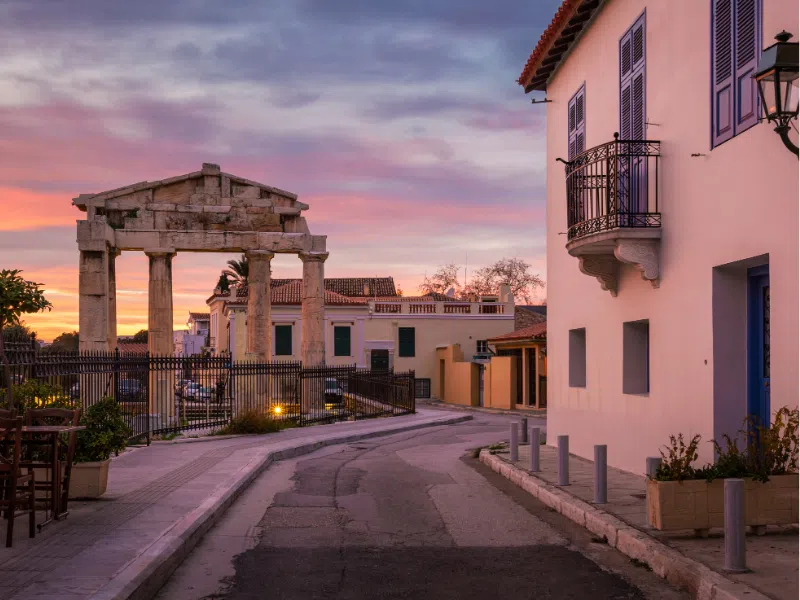
- Roman Agora: A Roman-era market built on the site of the ancient Agora.
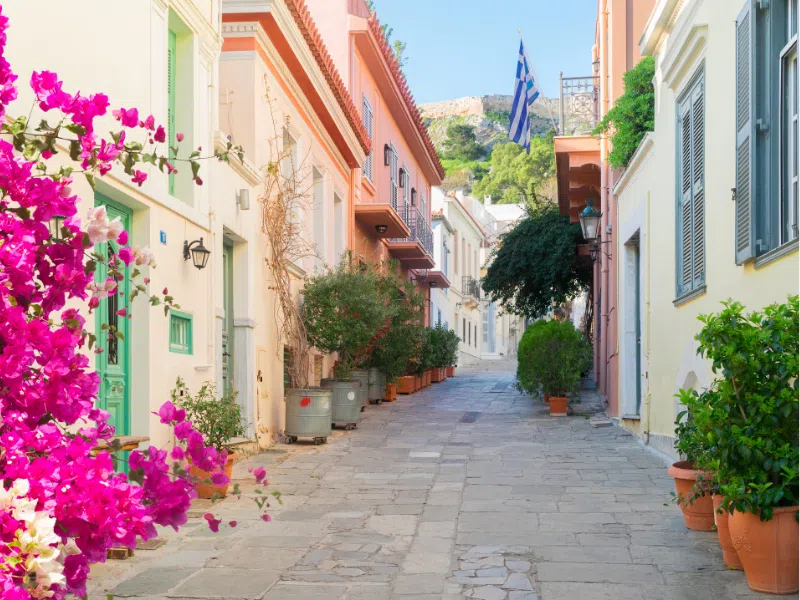
- Plaka: The charming old town of Athens, with its narrow streets, traditional taverns, and souvenir shops.
- Monastiraki Flea Market: A bustling market selling a wide variety of goods, from antiques to souvenirs.
- Syntagma Square: The main square of Athens, surrounded by government buildings and the Greek Parliament.
- National Archaeological Museum: One of the world’s most important museums, showcasing a vast collection of ancient Greek artifacts.
- Acropolis Museum: A modern museum dedicated to the artifacts found on the Acropolis.
- Museums: Athens is home to many other museums, including the Benaki Museum, the Byzantine and Christian Museum, and the War Museum.
- Cultural Scene: Athens offers a vibrant cultural scene, with theaters, concert halls, and a lively nightlife.
- Gastronomy: Greek cuisine is renowned for its fresh ingredients, healthy dishes, and delicious flavors.
Fun facts about Athens:
- The birthplace of Western civilization: Athens is widely considered the birthplace of Western civilization, giving rise to democracy, philosophy, and the arts.
- The city of gods and goddesses: Ancient Athens was home to many gods and goddesses, who were worshipped in temples throughout the city.
- The Marathon legend: The famous Marathon race originated in ancient Greece, when a messenger ran 26.2 miles from Marathon to Athens to deliver news of a victory over the Persians.
- A city of philosophers: Athens was home to many famous philosophers, including Socrates, Plato, and Aristotle.
- A city of artists: Athens was also a center of artistic activity, producing some of the world’s most famous sculptures, paintings, and pottery.
- A city of festivals: Ancient Athens celebrated many festivals, including the Panathenaic Games, the Dionysia, and the Eleusinian Mysteries.
- A city of myths and legends: Athens is steeped in myths and legends, including the story of Theseus and the Minotaur.
- A modern metropolis: Despite its ancient history, Athens is a modern metropolis with a vibrant cultural scene, bustling markets, and a thriving economy.
Local Legends of Athens
- The Legend of Theseus and the Minotaur: One of the most famous legends associated with Athens is the tale of Theseus and the Minotaur. Theseus, a young Athenian hero, volunteered to slay the Minotaur, a fearsome creature that lived in the labyrinth on the island of Crete.
- The Legend of Pandora’s Box: According to Greek mythology, Pandora, the first woman, was given a box by Zeus that contained all the evils of the world. When she opened the box, these evils were released upon humanity, leaving only hope inside.
- The Legend of the Trojan Horse: While not strictly Athenian, the legend of the Trojan Horse is closely linked to Greek mythology. The Greeks, unable to conquer the city of Troy by force, devised a cunning plan to trick the Trojans into letting them inside their city.
- The Legend of the Amazons: The Amazons were a legendary race of female warriors who lived in the Black Sea region. Some legends suggest that the Amazons founded the city of Athens.
A Brief History of Athens
- Mycenaean Civilization: The earliest known inhabitants of Athens were the Mycenaeans, a powerful Bronze Age civilization.
- City-State: In the 8th century BC, Athens emerged as a city-state, governed by a king.
- Oligarchy to Democracy: Over time, Athens transitioned from an oligarchy (rule by a few) to a democracy (rule by the people).
- Golden Age of Pericles: The 5th century BC marked the Golden Age of Athens, a period of great cultural, political, and economic prosperity under the leadership of Pericles.
- Peloponnesian War: The Golden Age was followed by the devastating Peloponnesian War between Athens and Sparta, which weakened the city-state.
- Macedonian Conquest: In the 4th century BC, Athens was conquered by the Macedonians, led by Alexander the Great.
- Roman Rule: After the death of Alexander the Great, Athens became part of the Roman Empire.
- Byzantine Empire: Following the fall of the Roman Empire, Athens was incorporated into the Byzantine Empire.
- Ottoman Empire: In the 15th century, Athens fell under Ottoman Turkish rule.
- Greek War of Independence: In the early 19th century, Athens played a crucial role in the Greek War of Independence, leading to the establishment of modern Greece.
Must-Try Food in Athens

Traditional Greek Cuisine:
- Gyros: A popular street food consisting of grilled meat wrapped in pita bread with tzatziki sauce, onions, and tomatoes.
- Souvlaki: Skewered grilled meat, often served with pita bread, tzatziki sauce, and salad.
- Moussaka: A baked dish made with layers of eggplant, ground meat, and béchamel sauce.
- Dolmades: Grape leaves stuffed with rice, herbs, and spices.
- Spanakopita: A savory pastry filled with spinach and feta cheese.
Mediterranean Influences:
- Fresh Seafood: Athens’ coastal location offers a variety of fresh seafood, including grilled fish, calamari, and octopus.
- Olive Oil: Greece is renowned for its high-quality olive oil, which is used extensively in local cuisine.
- Mediterranean Salads: Enjoy fresh salads made with local ingredients like tomatoes, cucumbers, olives, and feta cheese.
Local Specialties:
- Greek Salad: A classic Greek salad made with tomatoes, cucumbers, onions, feta cheese, olives, and a vinaigrette dressing.
- Greek Coffee: A strong, thick coffee that is traditionally served in small cups.
- Baklava: A sweet pastry made with layers of filo dough, nuts, and honey.
Must Visit Attractions in Athens
Greek Parliament: The seat of the Greek government, located in Syntagma Square.
Monument to Unknown Soldier: A war memorial located in front of the Greek Parliament.
Ermou Street: A popular shopping street with a variety of shops and boutiques.
Monastiraki Square: A bustling square with a flea market and many shops and cafes.
Pláka: A charming old town with narrow streets, traditional taverns, and souvenir shops.
Church of Saint Nicholas Ragava: A historic church with beautiful Byzantine frescoes.
Areos Pagos Hill: A hill overlooking the city, where the ancient Athenian court met.
Odeon of Herodes Atticus: An ancient theater used for concerts and performances.
Acropolis: A hilltop citadel that is home to some of the most famous ancient Greek monuments.
Parthenon: A temple dedicated to the goddess Athena, the most iconic monument on the Acropolis.
Acropolis Museum: A modern museum showcasing artifacts found on the Acropolis.
Dionysiou Areopagitou Street: A pedestrian street with stunning views of the Acropolis and the city.
This walking tour will take you through the heart of Athens, allowing you to experience the city’s rich history, stunning architecture, and cultural significance.

Explore Athens with World City Trail
Embark on an unforgettable journey through the enchanting city of Athens with World City Trail. Our interactive walking tour combines the thrill of exploration with the rich history and culture of this beatiful city.
Key Features:
Interactive gameplay: Solve engaging puzzles and challenges as you explore the city.
Iconic landmarks: Discover famous attractions like the Monastiraki Square and the Pláka.
Hidden gems: Uncover lesser-known spots, such as the Acropolis or the Parthenon.
Cultural insights: Learn about Athen’s fascinating history.
Flexibility: Explore at your own pace and create your own itinerary.
Learn more fun facts about Athens!
Book your Athens adventure today and experience the magic of this beatiful city.
Further reading on Wikipedia: Areopagus