
Table of Contents
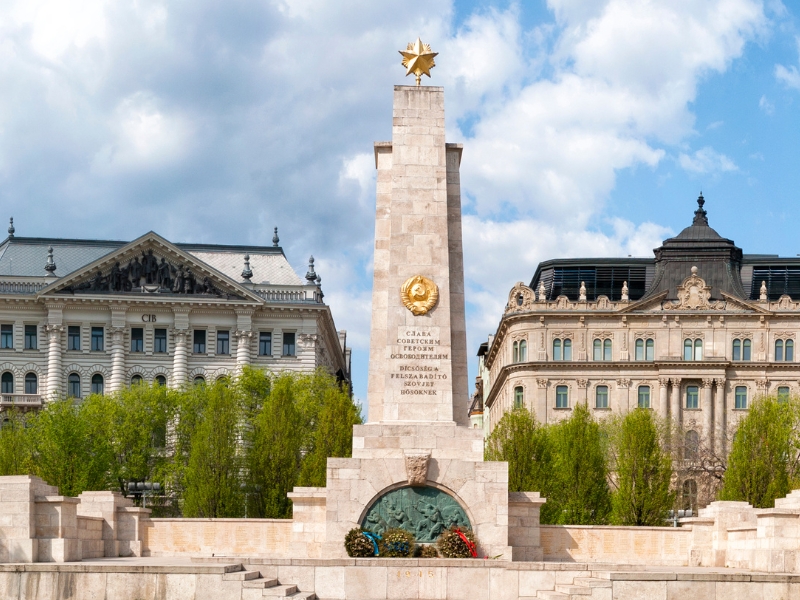
Liberty Square (Szabadság tér) is a historic square located in the heart of Budapest, Hungary. This iconic square has played a significant role in the city’s history and is a popular destination for tourists and locals alike.
A Glimpse into History
The square’s history is intertwined with the tumultuous history of Hungary. Originally known as Franz Joseph Square, it was renamed Liberty Square after World War I to symbolize the country’s newfound independence.
The Liberty Square has been the scene of numerous historical events, including the Hungarian Revolution of 1956. The iconic statue of Imre Nagy, a key figure in the revolution, stands as a poignant reminder of this pivotal moment in Hungarian history.
Liberty Square has been a witness to many significant historical events. During the Soviet era, the square was a symbol of Soviet power. However, after the fall of communism, the square regained its significance as a symbol of Hungarian independence and freedom.
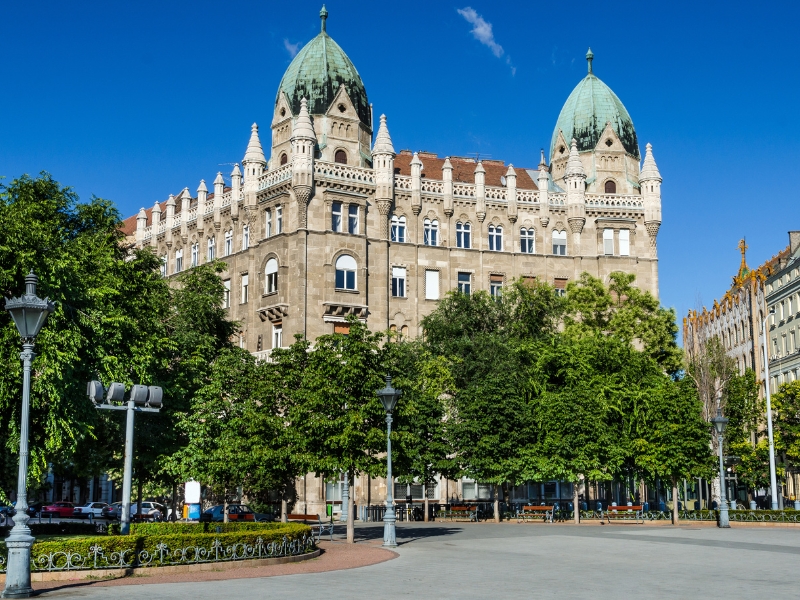
The square’s architecture reflects the changing tastes and styles of different historical periods. The neoclassical buildings that line the square are a testament to the city’s rich history and cultural heritage.
A Monumental Square
The Liberty Square is dominated by several important monuments and buildings, each with its own unique story:
- The Memorial to the Victims of the 1956 Revolution: This poignant memorial commemorates the Hungarian Revolution of 1956, a significant event in Hungarian history. The memorial features a statue of a young revolutionary and an eternal flame, symbolizing the sacrifices made during the uprising.
- The Hungarian Academy of Sciences: This neo-Renaissance building houses one of the oldest scientific academies in the world. Its impressive façade and grand interior make it a striking landmark. The academy has played a crucial role in the development of Hungarian science and culture.
- The Hungarian National Museum: This grand neoclassical building houses a vast collection of Hungarian artifacts and historical treasures. The museum’s collection spans centuries, from prehistoric times to the present day. The museum’s exhibits showcase the rich history and culture of Hungary, including archaeological finds, historical documents, and works of art.
A Cultural Hub
Liberty Square is a vibrant cultural hub, hosting a variety of events and festivals throughout the year. The square is often used for public gatherings, political demonstrations, and cultural performances. During the Christmas season, the Liberty Square is transformed into a winter wonderland, with a festive Christmas market, ice skating rink, and beautiful decorations.
Tips for Visiting Liberty Square
- Best Time to Visit: The best time to visit Liberty Square is during the spring and summer months, when the weather is pleasant and there are many outdoor events.
- Photography: The square offers many photo opportunities, especially during the golden hour.
- Nearby Attractions: Liberty Square is located near other popular attractions, such as the Hungarian Parliament Building, the Chain Bridge, and the Danube River.
- Public Transportation: The square is easily accessible by public transportation, including buses, trams, and the metro.
By visiting Liberty Square, you can immerse yourself in the rich history and culture of Budapest. This iconic square is a must-see for any visitor to the city.

Liberty Square is part of Budapest scavenger hunt and walking tour!
Embark on an unforgettable journey through the enchanting city of Budapest with World City Trail. Our interactive walking tour combines the thrill of exploration with the rich history and culture of this beautiful city.
Key Features:
Interactive gameplay: Solve engaging puzzles and challenges as you explore the city.
Hidden gems: Uncover lesser-known spots.
Cultural insights: Learn about the city’s fascinating history.
Flexibility: Explore at your own pace and create your own itinerary.
Family friendly activity and a great way to explore the city!
Further reading on Wikipedia: Budapest