
Table of Contents
The Obelisk of Theodosius, a towering monolith standing proudly in Istanbul’s Sultanahmet Square, is a remarkable testament to the enduring power of ancient civilizations. This Egyptian obelisk, originally erected by Pharaoh Thutmose III in Karnak, Egypt, was transported to Constantinople (present-day Istanbul) by Roman Emperor Theodosius I in the 4th century AD, where it has stood as a silent witness to centuries of history.
A Journey Through Time
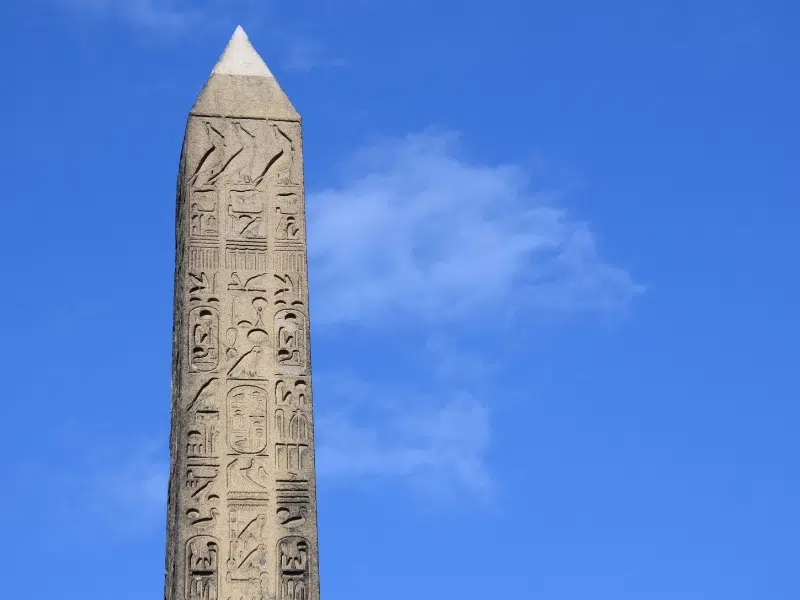
This ancient artifact boasts a fascinating history, spanning millennia and empires. Carved from a single block of red granite in Aswan, Egypt, the obelisk was originally erected by Pharaoh Thutmose III during the 18th Dynasty to commemorate his military victories in Syria and Nubia. It stood for centuries in Karnak, a testament to the power and grandeur of the Egyptian Empire, adorned with intricate hieroglyphics depicting the Pharaoh’s triumphs and his devotion to the gods.
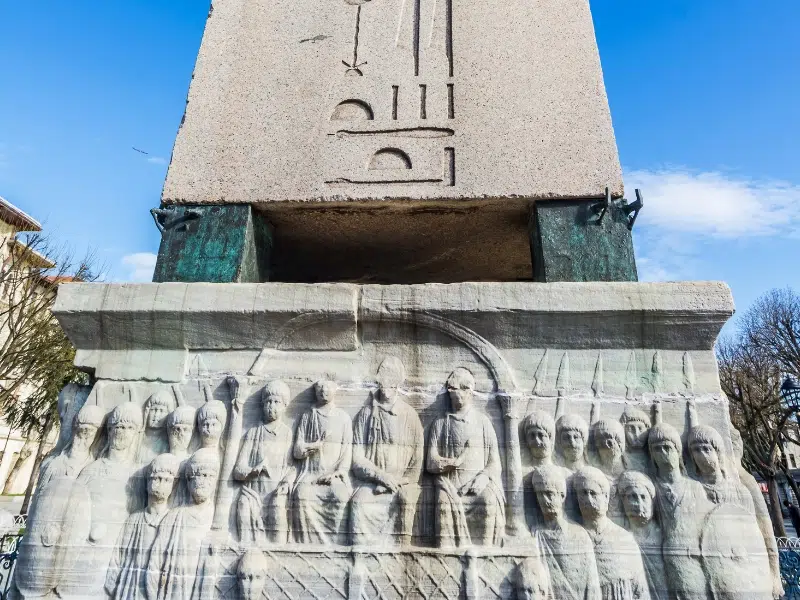
The transportation of this massive obelisk from Egypt to Constantinople was a monumental undertaking, requiring significant engineering feats. The Romans, renowned for their engineering prowess, devised ingenious methods to transport the colossal stone over vast distances. The journey, though arduous, was ultimately successful, and the obelisk was triumphantly erected in the center of the Hippodrome, the ancient chariot-racing stadium of Constantinople.
A Masterpiece of Ancient Engineering
The Obelisk of Theodosius is a remarkable testament to the engineering prowess of ancient civilizations. The Egyptians, with their sophisticated knowledge of stoneworking and construction, skillfully quarried, transported, and erected this massive obelisk. The obelisk’s intricate hieroglyphics, depicting the triumphs of Pharaoh Thutmose III, provide valuable insights into ancient Egyptian history and culture.
A Timeless Symbol
Today, the Obelisk of Theodosius remains a powerful symbol of Istanbul’s rich and layered history. It stands as a silent witness to the rise and fall of empires, connecting the present to the ancient world. The intricate hieroglyphics, though weathered by time, continue to offer valuable insights into ancient Egyptian culture, their inscriptions a testament to the enduring power of human creativity and the passage of time.
Experiencing the Obelisk of Theodosius
- Visit the Hippodrome: The obelisk is located in the Hippodrome, a historic site that once hosted chariot races and other public spectacles.
- Admire the craftsmanship: Take time to admire the intricate hieroglyphics and the remarkable craftsmanship of the obelisk.
- Learn about its history: Research the fascinating history of the obelisk, from its origins in ancient Egypt to its re-erection in Constantinople.
- Explore the surrounding area: The Hippodrome is located in the heart of Istanbul, within easy reach of other major attractions such as the Hagia Sophia, the Blue Mosque, and the Topkapi Palace.
The Obelisk of Theodosius is more than just a historical artifact; it’s a timeless symbol of human ingenuity, cultural exchange, and the enduring power of history. A visit to this ancient monument provides a unique and unforgettable experience, offering a glimpse into the past and a connection to the civilizations that have shaped the world we live in today.
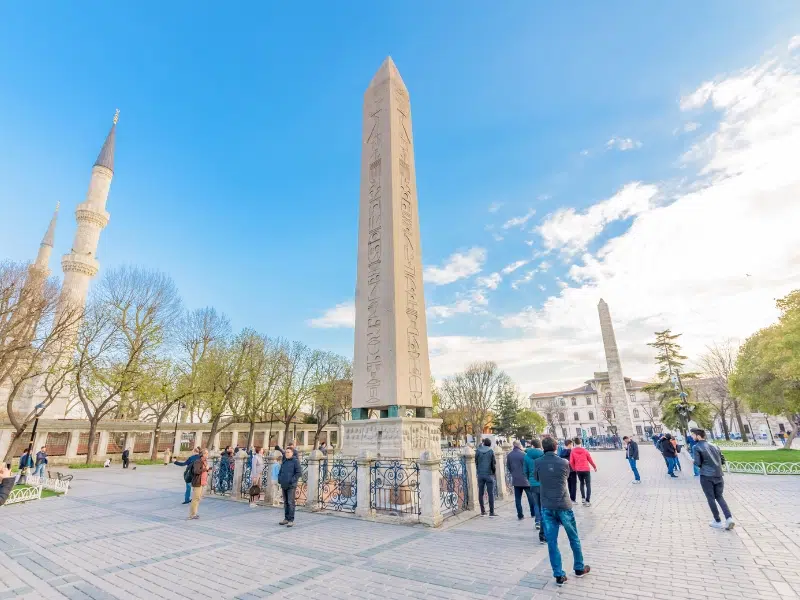
Obelisk of Theodosius is part of Istanbul scavenger hunt and walking tour!
Embark on an unforgettable journey through the enchanting city of Istanbul with World City Trail. Our interactive walking tour combines the thrill of exploration with the rich history and culture of this beautiful city.
Key Features:
Interactive gameplay: Solve engaging puzzles and challenges as you explore the city.
Hidden gems: Uncover lesser-known spots.
Cultural insights: Learn about the city’s fascinating history.
Flexibility: Explore at your own pace and create your own itinerary.
Family friendly activity and a great way to explore the city!
Further reading on Wikipedia: Istanbul