

Table of Contents
Leuven is a vibrant city in the heart of Belgium, renowned for its rich history, dynamic student life, and outstanding beer culture. As the capital of Flemish Brabant, Leuven is steeped in history and brimming with cultural treasures, from its stunning Gothic architecture to its lively squares and world-famous breweries. Here’s a closer look at the highlights of Leuven, its history, legends, and must-try local specialties.
Key features of Leuven
- Historic Town Hall: One of the most ornate Gothic town halls in the world, Leuven’s Stadhuis is adorned with intricate statues and spires that make it a true architectural masterpiece.
- University of Leuven: Founded in 1425, KU Leuven is the oldest Catholic university still in operation. The university gives the city its youthful energy and features impressive buildings.
- Lively Squares and Streets: From the bustling Oude Markt, often called the “longest bar in the world,” to the charming squares of Ladeuzeplein and Herbert Hooverplein, Leuven is alive with energy and perfect for socializing.
- Botanical Garden (Kruidtuin): Belgium’s oldest botanical garden offers a peaceful escape with a wide variety of plants and flowers, making it a delightful spot for a stroll.
- Beer Culture: Leuven is the home of Stella Artois, one of the world’s most famous beers, as well as many craft breweries and beer cafes that showcase Belgium’s renowned brewing tradition.
- Abbey of Park (Abdij van Park): A beautifully preserved abbey just outside the city center, offering picturesque walks and a glimpse into Leuven’s monastic past.
- Contemporary Arts at M Leuven: This modern art museum blends cutting-edge exhibits with historical pieces, showcasing Leuven’s creative spirit.
- Events and Festivals: Leuven is host to numerous festivals, including the Zythos Beer Festival, Leuven Jazz, and the Summer Bar Festival, bringing the city to life year-round.

Fun Facts about Leuven
- Home to the Oldest Catholic University: The Katholieke Universiteit Leuven, founded in 1425, holds the title of the oldest Catholic university still in operation.
- A Beer Brewing Hub: Leuven is home to AB InBev, the world’s largest beer producer. The Stella Artois brewery has its roots in Leuven, dating back to 1366.
- The “Fonske” Legend: The iconic statue of a boy drinking from a fountain (“Fonske”) is said to represent the city’s endless thirst for beer.
- A Window Tax History: In the 18th century, Leuven imposed a tax on windows, leading residents to reduce the number of windows in their homes to save money. This is reflected in some of the older buildings today.
- Rebuilt After Destruction: During World War I, Leuven was tragically destroyed by German forces. The city center was meticulously rebuilt in its original style, showcasing impressive Gothic architecture.
- A Lively Student City: With a large student population, Leuven boasts a vibrant atmosphere, especially around the Oude Markt, known for its numerous bars and cafes.
- The “Kot à Rat”: Students in Leuven have coined the term “Kot à Rat” to humorously describe student accommodations, often characterized by their unique charm and sometimes quirky features.
- A Green Oasis: Sint-Donatus Park offers a tranquil escape within the city, perfect for picnics, leisurely walks, and enjoying the outdoors.
- A Hub of Innovation: Leuven is a center for research and technology, with the university playing a significant role in fostering innovation and attracting businesses.
- A Blend of Old and New: Leuven seamlessly blends its rich history with modern amenities, offering visitors a unique experience that combines cultural heritage with a dynamic urban environment.
Local legends about Leuven
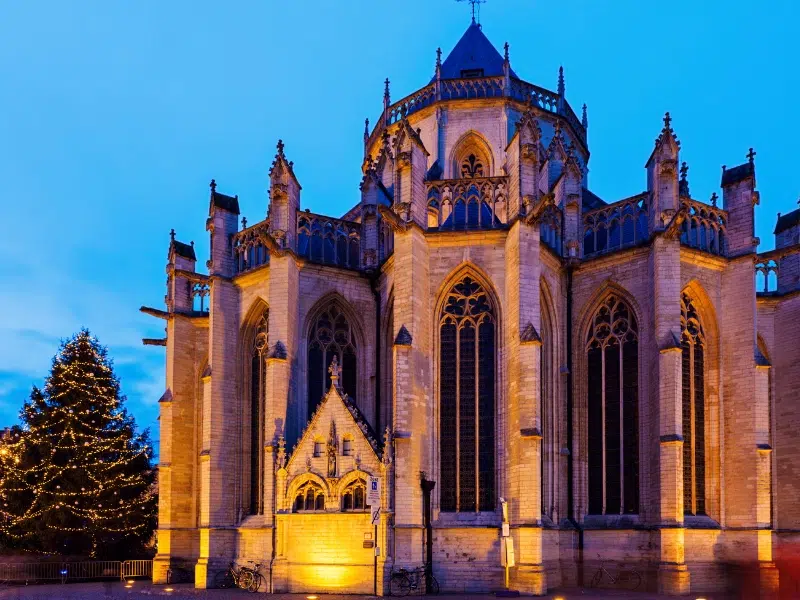
- The Enchanted Bells of St. Peter’s Church: Legend has it that the bells of St. Peter’s Church mysteriously ring on their own during stormy nights, warding off evil spirits and protecting the city from harm.
- The Brewery’s Ghost: The Stella Artois brewery is said to be haunted by the ghost of a former brewmaster, who roams the halls to ensure the beer remains true to its historic quality.
- The Lady of the Abbey: At dusk, visitors to the Abbey of Park sometimes report seeing a mysterious woman in white walking among the grounds. She is believed to be the spirit of a former abbess, silently watching over the abbey.
- The Alchemist of Leuven: According to legend, a reclusive alchemist lived in Leuven during the Middle Ages, working secretly to transform base metals into gold. Though he disappeared without a trace, some believe his hidden laboratory and unfinished experiments are still buried beneath the city.
- The Devil’s Window: In Leuven’s Historic Town Hall, one of the windows is said to be cursed by a deal gone wrong between a town official and the Devil. Locals claim that strange shadows appear in the window at night, a reminder of the pact’s consequences.
- The Eternal Student: An old story speaks of a student who, having failed to pass his exams, made a wish to study forever to avoid returning home in shame. Some say his ghost still wanders the university halls, carrying a stack of books and muttering to himself.
What about the history of Leuven?
Early Beginnings: Leuven’s origins trace back to the early Middle Ages, with its name possibly derived from the Old German “Loven,” meaning “low-lying area.” Its strategic location along the Dijle River made it a significant center for trade and commerce, particularly during the Frankish era.
Medieval Prosperity: Leuven reached its peak during the 14th and 15th centuries, thriving as a hub for the cloth trade. The city’s merchants exported high-quality textiles across Europe, making Leuven one of the most prosperous towns in the Low Countries.
Renaissance and Decline: The 16th century saw a decline in Leuven’s textile trade, compounded by the tumultuous political and religious conflicts of the Reformation. Despite this, KU Leuven continued to flourish, attracting scholars like the famous cartographer Gerardus Mercator.
World Wars and Reconstruction: Leuven faced significant destruction during both World Wars. The University Library was famously burned during World War I, with the loss of thousands of priceless manuscripts.
Must-Try Food in Leuven

Carbonade Flamande
A rich Flemish beef stew slow-cooked in dark beer, complemented with onions and mustard for a deep, savory flavor. Served with crispy fries, this dish is a perfect showcase of Leuven’s brewing heritage.
Witloof Gratin
Belgian endives (witloof) wrapped in ham, baked in a creamy béchamel sauce, and topped with melted cheese. A comforting classic that highlights one of Belgium’s beloved vegetables.
Speculoos
Spiced shortbread cookies with flavors of cinnamon and nutmeg, often enjoyed with coffee or as a treat on their own. These cookies are a staple of Belgian gastronomy and a delightful souvenir.
Leuvense Bierkaas
A soft and creamy local cheese made to pair beautifully with Leuven’s world-class beers. Perfect on a charcuterie board or spread on fresh bread.
Belgian Fries
Leuven’s take on Belgium’s iconic fries: double-fried to golden perfection and served with an array of sauces like tangy andalouse or classic mayo. A must-try street food experience.
Tarte au Riz
A regional favorite, this creamy and light rice tart is an irresistible dessert found in local bakeries. Its caramelized top adds a perfect touch of sweetness to any meal.
Must Visit Attractions in Leuven
M Leuven: A modern and innovative art museum that seamlessly blends contemporary and historical art. The museum hosts rotating exhibitions and features an impressive rooftop terrace offering stunning views of the city.
Ladeuzeplein: One of Leuven’s most striking squares, known for its modern art installations, such as the massive “Totem” sculpture—a giant needle piercing a beetle. The square is surrounded by historic buildings and includes a serene pond, perfect for unwinding.
Herbert Hooverplein: Named after the 31st U.S. President, Herbert Hoover, who had family ties to Leuven. This square frequently hosts markets and events, including a popular weekly farmer’s market offering fresh produce and local treats.
Sint-Donatus Park: A peaceful green space located in the city center, offering an escape from the hustle and bustle. The park features remnants of Leuven’s medieval city walls, picturesque walking paths, and shaded spots perfect for picnics or reading.
Saint Michael’s Church: A Baroque masterpiece dedicated to Saint Michael. Known for its ornate façade and richly decorated interior, the church also houses a stunning altarpiece and religious artifacts.
Leuven Oude Markt: Often referred to as “the longest bar in the world,” this lively market square is lined with over 40 cafes and bars. It’s the perfect spot to experience Leuven’s buzzing nightlife or relax with a locally brewed beer.
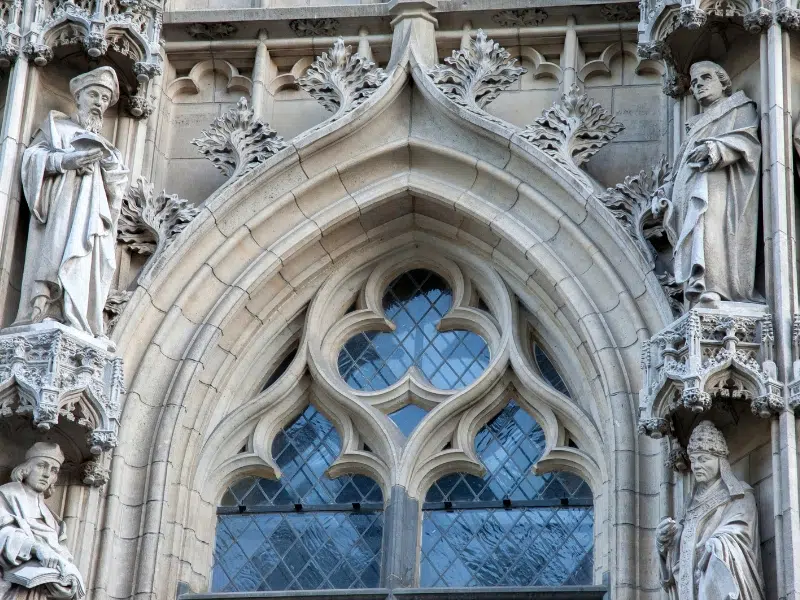
Historic Leuven Town Hall (Stadhuis): An iconic Gothic architectural masterpiece that dates back to the 15th century. Adorned with hundreds of statues of saints, scholars, and notable figures, its intricate design is a must-see. Guided tours provide insight into its history and significance.
Grote Markt: Leuven’s vibrant main square, home to many of the city’s landmarks, including the Town Hall and Saint Peter’s Church. It’s a hub of activity, with plenty of cafes and restaurants, making it an ideal spot to soak in the city’s atmosphere.
Saint Peter’s Church of Leuven (Sint-Pieterskerk): A UNESCO-listed Gothic church, featuring stunning stained-glass windows, towering spires, and an impressive art collection. Highlights include Dirk Bouts’ Last Supper, displayed in the church’s treasury.
Fonske (Statue): A quirky and beloved bronze statue of a young student pouring water over his head from an open book, symbolizing the “fountain of knowledge.” Located near the Oude Markt, Fonske embodies Leuven’s spirit as a university city.
This walking tour will take you through the heart of Leuven, allowing you to experience the city’s rich history, stunning architecture, and cultural significance.
Explore Leuven with World City Trail
Embark on an unforgettable adventure through the historic and vibrant city of Leuven with World City Trail. This interactive walking tour seamlessly blends discovery, entertainment, and the rich heritage of Leuven into an engaging experience.
Key Features:
- Interactive Gameplay: Solve captivating puzzles and challenges as you explore Leuven’s streets and landmarks.
- Iconic Landmarks: Visit renowned attractions such as the Historic Town Hall, Saint Peter’s Church, and the vibrant Oude Markt.
- Hidden Gems: Uncover lesser-known treasures, like the serene Leuven Botanical Garden and the enchanting Vlierbeek Abbey.
- Cultural Insights: Dive into Leuven’s fascinating history, from its university legacy to its Gothic architecture and world-famous breweries.
- Flexibility: Wander at your own pace, designing your itinerary to suit your interests while discovering the best Leuven has to offer.
Whether you’re a history enthusiast, a puzzle solver, or simply a curious traveler, World City Trail offers a unique and immersive way to experience Leuven like never before.