
Table of Contents
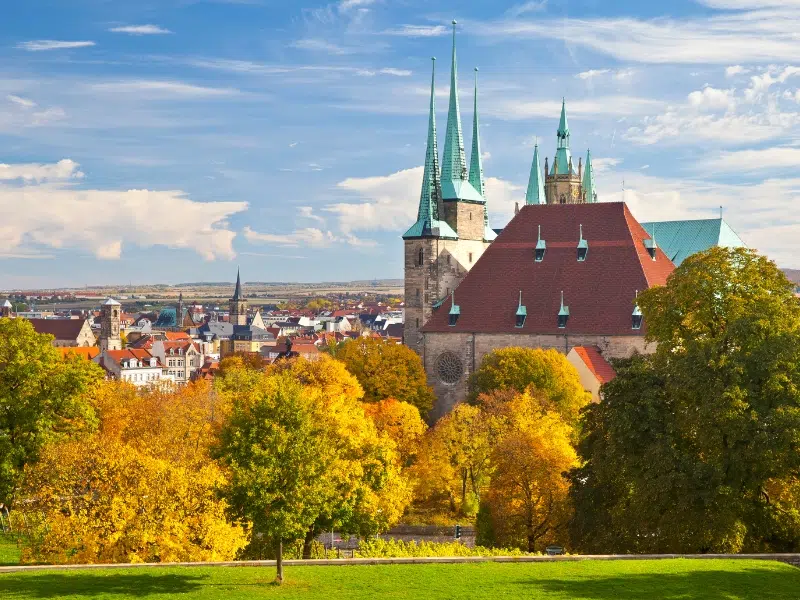
Erfurt, the charming capital of Thuringia, Germany, is a city where history and culture blend seamlessly. Known for its medieval Old Town, stunning Gothic architecture, and vibrant markets, Erfurt offers a unique glimpse into Germany’s rich past. From its iconic Krämerbrücke bridge to its peaceful gardens and bustling squares, this picturesque city is perfect for history buffs, food lovers, and travelers seeking an authentic German experience.
Key Features of Erfurt
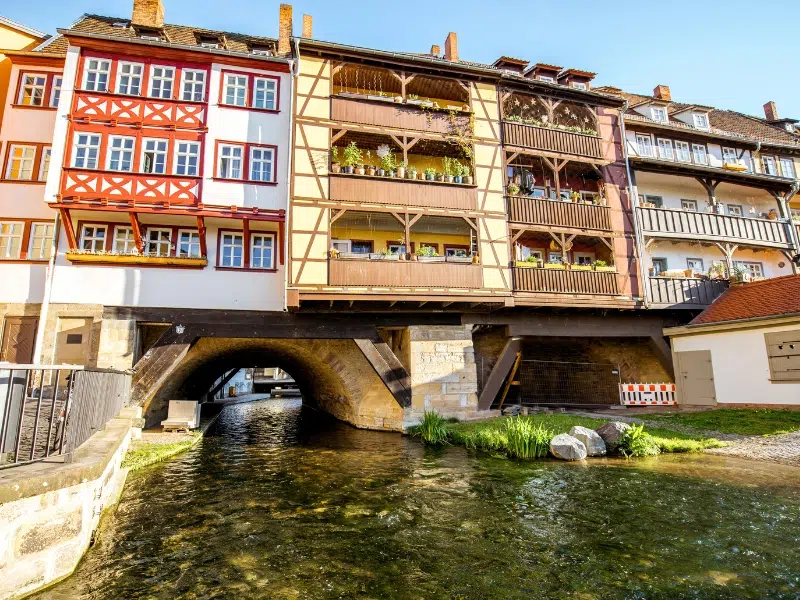
- Krämerbrücke: This historic merchant’s bridge, lined with half-timbered houses, is a one-of-a-kind structure in Europe. Explore artisan shops and cafes as you stroll across this picturesque landmark.
- Erfurt Cathedral (Dom St. Marien): A magnificent Gothic masterpiece perched on Domplatz, the cathedral features stunning stained glass windows and the famous Gloriosa bell, the largest medieval free-swinging bell in the world.
- Petersberg Citadel: A well-preserved Baroque fortress offering panoramic views of Erfurt’s Old Town. The site also includes underground tunnels and exhibitions detailing the city’s military history.
- Angermuseum: Housed in a former Augustinian monastery, this museum showcases an impressive collection of medieval art, porcelain, and modern pieces by renowned German artists.
- Egapark: One of Europe’s largest garden parks, Egapark features vibrant flower displays, themed gardens, and a butterfly house, making it a must-visit for nature enthusiasts.
- Old Synagogue and Mikveh: The oldest surviving synagogue in Central Europe, this historic site tells the story of Erfurt’s Jewish community and houses a rare medieval treasure trove.
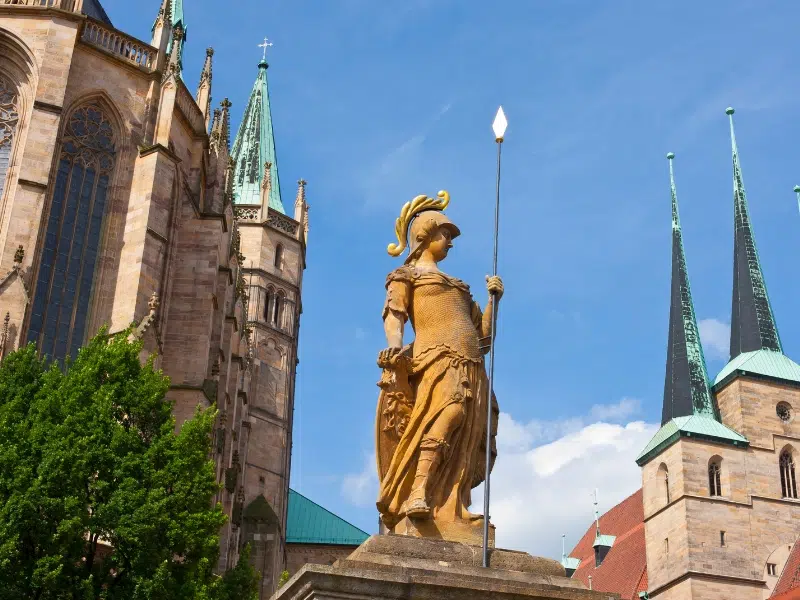
- Domplatz: The central square of Erfurt is a bustling hub of activity, hosting markets, festivals, and the city’s famous Christmas market. It’s surrounded by architectural gems, including the cathedral and Severikirche.
- St. Augustine’s Monastery: Once home to Martin Luther, this monastery is steeped in history and spirituality, offering peaceful courtyards and exhibitions about Luther’s time here.
- Fish Market (Fischmarkt): This lively square is surrounded by stunning Renaissance and Gothic facades, including the historic Town Hall and the famous Römer sculpture.
- Zitadelle Petersberg Gardens: These tranquil gardens atop Petersberg Citadel are perfect for a relaxing stroll, with spectacular views of Erfurt’s red-roofed skyline.
Fun Facts About Erfurt
- The Merchants’ Festival: Every year, Erfurt celebrates the Krämerbrückenfest, a lively event with music, markets, and medieval-themed activities.
- Medieval Origins: Erfurt was first mentioned in 742 AD and became a vital trade center due to its strategic location on the Via Regia trade route.
- Martin Luther’s Legacy: Martin Luther studied at the University of Erfurt and took his vows at St. Augustine’s Monastery.
- The Blue Gold: Erfurt was once known for its woad trade, a plant used to create a blue dye, earning the city great wealth during the Middle Ages.
- Krämerbrücke Lore: According to legend, the Krämerbrücke is blessed by saints who protect the merchants and visitors who cross it.
- Gloriosa Bell: The cathedral’s Gloriosa bell has a perfectly tuned sound and is considered one of the greatest acoustic achievements of its time.
- Thuringian Sausages: Erfurt is famous for its Bratwurst, said to be among the best in Germany, with a recipe dating back to 1404.
- Puppet Theaters: The city is home to a rich tradition of puppet theaters, including the Puppenstubenmuseum, celebrating this unique art form.
- City of Towers: Known as the “City of Towers,” Erfurt boasts over 25 church spires dotting its skyline.
- UNESCO Recognition: The Old Synagogue and its medieval treasure have been proposed as a UNESCO World Heritage Site.
Local Legends About Erfurt
- The Tainted Well: Folklore claims that a cursed well near Domplatz grants bad luck to anyone who drinks from it, sparing only the pure of heart.
- The Witch of Domplatz: Legend says that a witch cursed the cathedral bells, ensuring they never toll without her spirit’s permission.
- The Krämerbrücke Treasure: Hidden within the bridge’s foundation is said to be a treasure left behind by fleeing merchants during the Thirty Years’ War.
- The Ghost of Petersberg: The spirit of a soldier from the citadel is said to roam its tunnels, guarding the fortress from invaders even in death.
- The Monk’s Warning: A ghostly monk is believed to appear near St. Augustine’s Monastery, offering cryptic warnings to those who stray from righteousness.
What About the History of Erfurt?
Early Beginnings
Erfurt’s roots date back to 742 AD when it was first mentioned as a diocesan center by Saint Boniface. Its prime location on the Via Regia, a major medieval trade route, allowed it to grow into a prosperous trading hub. By the Middle Ages, Erfurt had become one of the wealthiest and most important cities in the Holy Roman Empire.
Medieval Prosperity
The city thrived in the Middle Ages, largely due to its trade in woad, a plant used to create blue dye. This “blue gold” brought immense wealth and made Erfurt a key economic center. During this period, its university, founded in 1392, became one of the oldest and most prestigious in Germany, attracting scholars like Martin Luther, who studied here before becoming a central figure in the Reformation.
The Reformation and Decline
Erfurt played a significant role in the Reformation, with Martin Luther taking his monastic vows at St. Augustine’s Monastery. However, the city’s prosperity began to decline in the 16th and 17th centuries due to wars, plagues, and economic challenges, including the waning importance of woad trade. The Thirty Years’ War further devastated the city, and it eventually fell under the control of the Electorate of Mainz.
Modern Era
Erfurt became part of Prussia in 1802 and later joined the German Empire in 1871. During World War II, the city sustained damage but retained much of its medieval charm. In the post-war years, as part of East Germany, Erfurt saw significant reconstruction and modernization, including the preservation of its historic sites.
Must-Try Food in Erfurt

Kloß (Potato Dumplings): Soft and fluffy dumplings made from grated potatoes, often served alongside meats like pork or sauerkraut for a satisfying meal.
Thuringian Sausages (Thüringer Rostbratwurst): A regional classic, these sausages are made from a mix of pork, beef, and spices, grilled to perfection and served with mustard or sauerkraut.
Erfurter Bierbratwurst: A local twist on the bratwurst, infused with beer for added flavor. It’s commonly enjoyed with potatoes or bread.
Sauerbraten: A pot roast marinated in vinegar and spices, slow-cooked to tender perfection, often served with red cabbage and mashed potatoes.
Erfurter Schmalzgebackenes: A deep-fried pastry that is crispy on the outside and soft on the inside, typically enjoyed as a sweet treat or snack.
Eierschecke: A beloved dessert from Erfurt, featuring layers of curd, eggs, and sugar baked into a sweet, creamy cake—perfect for those with a sweet tooth.
Thuringian Potato Soup: A comforting, hearty soup made with potatoes, bacon, vegetables, and herbs, ideal for warming up during the colder months.
Must-Visit Attractions in Erfurt
Angermuseum: A renowned art museum, the Angermuseum showcases a wide collection of European art, from the Middle Ages to modern works, housed in a beautiful historic building.
Luther-Denkmal: A prominent monument in Erfurt dedicated to Martin Luther, marking the place where he lived during his time as a young monk, offering a glimpse into his early years.
Stadtmuseum Erfurt “Haus zum Stockfisch”: Located in a historical building, this museum explores Erfurt’s rich history with exhibits on its medieval past and significance as a trade center.
Krämerbrücke: One of Erfurt’s most iconic landmarks, this medieval bridge is lined with charming houses and shops, offering visitors a unique shopping experience over the Gera River.
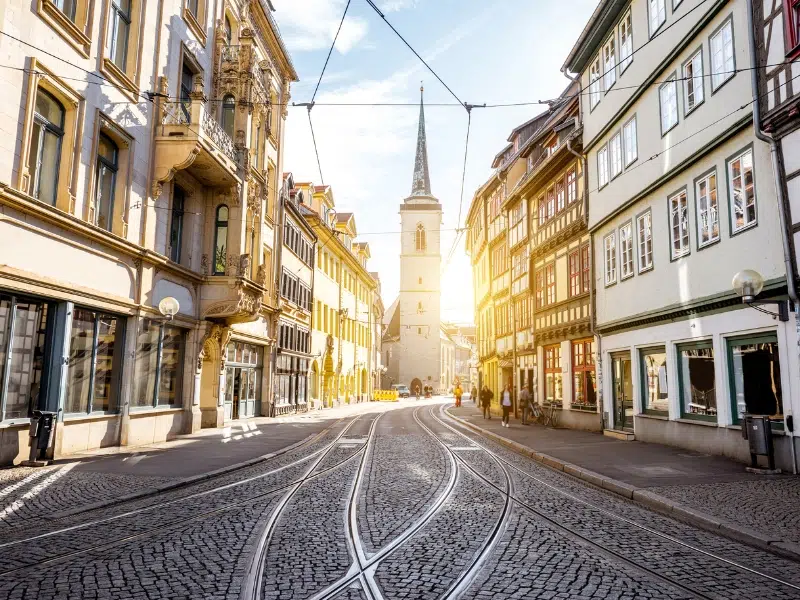
Zum Breiten Herd: A historic, picturesque square in the heart of Erfurt, known for its charming timber-framed buildings and inviting atmosphere.
Erfurt City Hall: An impressive example of Gothic architecture, the Erfurt City Hall is a symbol of the city’s historical importance, offering a peek into the city’s medieval governance.
Naturkundemuseum: The Erfurt Natural History Museum showcases a fascinating collection of exhibits about the region’s flora, fauna, and geology, providing insights into the local environment.
Domplatz: The central square in Erfurt, surrounded by magnificent buildings like the Erfurt Cathedral, it’s a prime spot to experience the city’s vibrant culture and historic beauty.
Erfurt Cathedral: A stunning Gothic masterpiece, the Erfurt Cathedral is known for its towering spires, intricate stained glass windows, and a fascinating history dating back to the 8th century.
St. Severi Church: A beautiful example of the Gothic style, St. Severi Church stands as an architectural gem, with impressive details and a peaceful atmosphere.
This walking tour will take you through the heart of Regensburg, allowing you to experience the fun facts about Regensburg’s rich history, stunning architecture, and cultural significance.
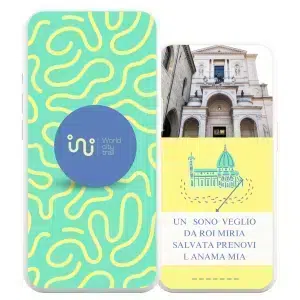
Explore Erfurt with World City Trail
Embark on an unforgettable journey through the historic and charming city of Erfurt with World City Trail. This interactive walking tour combines exploration, entertainment, and the rich heritage of Erfurt into a unique and captivating experience.
Key Features:
- Interactive Gameplay: Solve engaging puzzles and challenges as you navigate Erfurt’s picturesque streets and iconic landmarks.
- Iconic Landmarks: Visit famous sites like the Erfurt Cathedral, the Krämerbrücke (Merchant’s Bridge), and the historic Augustinian Monastery, where Martin Luther once lived.
- Hidden Gems and Fun Facts About Erfurt: Discover Erfurt’s lesser-known treasures such as the medieval city walls, the stunning Egapark, and the charming Fischmarkt square.
- Flexibility: Explore at your own pace, tailoring your itinerary to match your interests while enjoying the best that Erfurt has to offer.
Whether you’re drawn to Erfurt’s rich history, fascinating architecture, or hidden gems, World City Trail offers a personalized and interactive way to experience the city like never before.