
Table of Contents
The Rialto Bridge, or Ponte di Rialto, an iconic architectural marvel spanning the Grand Canal in Venice, Italy, stands as a profound testament to the city’s rich history, its engineering prowess, and its enduring role as a center of commerce and trade. This bridge, far more than a simple crossing, serves as a vital cultural and historical landmark, reflecting Venice’s enduring connection to its maritime roots, its architectural evolution, and its role as a city that seamlessly blends art and functionality. It is a place where history, commerce, and architectural brilliance intertwine, offering visitors a captivating glimpse into Venice’s past and present.
Historical Origins
The Rialto Bridge’s origins trace back to the 12th century, when a pontoon bridge was first constructed to connect the Rialto market area with the rest of the city. Over time, as Venice grew in wealth and importance, the need for a more permanent and robust structure became apparent. The current stone bridge, designed by Antonio da Ponte, was completed in 1591, replacing earlier wooden structures that had succumbed to fires and collapses. Its construction, a feat of engineering for its time, reflects the architectural trends and stylistic preferences of the late Renaissance period.
The Rialto Bridge’s historical significance extends far beyond its architectural features. It has been a witness to numerous pivotal events in Venetian history, from periods of commercial prosperity to times of political upheaval. Its enduring presence serves as a reminder of the city’s long and complex history, as well as its ongoing role as a center of trade and culture. The bridge has been a subject of countless paintings, poems, and literary works, solidifying its place in the popular imagination.
Architectural Marvel
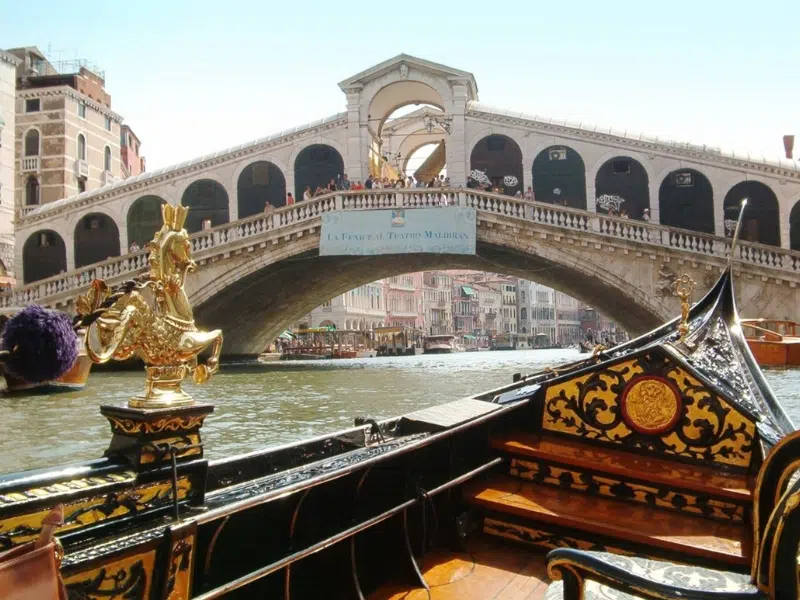
The bridge’s architecture is a remarkable example of Renaissance engineering, characterized by its single-span design, its elegant arches, and its integrated shops. The bridge’s robust stone construction, using Istrian stone, ensures its durability and its ability to withstand the challenges of the Venetian lagoon. The central arcade, flanked by two rows of shops, creates a bustling commercial space, reflecting the bridge’s role as a vital link between the Rialto market and the rest of the city.

A Vibrant Landmark
Today, the Rialto Bridge remains a vibrant and cherished landmark, attracting visitors from around the world. Its central location and its accessible design make it a natural gathering point for residents and tourists alike. The bridge’s role as a symbol of Venice’s commercial and architectural heritage reinforces its importance as a landmark.
The bridge’s shops, offering a variety of goods and souvenirs, contribute to the lively atmosphere and provide a unique shopping experience. The panoramic views from the bridge, overlooking the Grand Canal and the surrounding cityscape, are a highlight for visitors. The bridge’s accessibility by gondola and vaporetto further enhances its appeal as a tourist destination.
Essential to Venetian Exploration
The Rialto Bridge’s enduring presence in Venice is a testament to its historical significance and its ongoing role as a vital part of Venice’s cultural and commercial life. It’s a place where the past and present converge, where architectural brilliance and commercial activity intertwine, and where the spirit of Venice’s heritage is embodied.
In essence, the Rialto Bridge is more than just a bridge; it’s a living symbol of Venice’s history, a testament to its architectural prowess, and a vital part of its cultural identity. It serves as a focal point for historical exploration, commercial activity, and architectural appreciation, embodying the spirit of Venice and its enduring connection to its rich and multifaceted past.

Rialto Bridge is part of Venice scavenger hunt and walking tour!
Embark on an unforgettable journey through the enchanting city of Venice with World City Trail. Our interactive walking tour combines the thrill of exploration with the rich history and culture of this beautiful city.
Key Features:
Interactive gameplay: Solve engaging puzzles and challenges as you explore the city.
Hidden gems: Uncover lesser-known spots.
Cultural insights: Learn about the city’s fascinating history.
Flexibility: Explore at your own pace and create your own itinerary.
Family friendly activity and a great way to explore the city!
Further reading on Wikipedia: Venice