

Table of Contents
The Plaça de Bous stands as a striking architectural and cultural landmark in the heart of Valencia, Spain. More than just a venue for bullfighting, this iconic structure embodies a complex tapestry of Spanish tradition, architectural grandeur, and historical significance. It is a place where cultural heritage, artistic expression, and social dynamics converge, offering visitors a multifaceted experience of Valencian identity.
Origins and Historical Significance
The bullring’s origins trace back to the mid-19th century, a period of significant urban development and architectural innovation in Valencia. Commissioned between 1850 and 1860, the bullring was designed by architect Sebastián Monleón Estellés, who drew inspiration from the grandeur of ancient Roman amphitheaters, particularly the Colosseum.
The design reflected Valencia’s ambition to establish a grand venue for public spectacles, solidifying its place in Spanish cultural history. The Plaça de Bous was constructed to accommodate thousands of spectators, becoming a central hub for bullfighting events and other public gatherings. Its location, near the Estació del Nord and other key city landmarks, underscores its importance as a cultural and social focal point.
Architectural Grandeur and Design
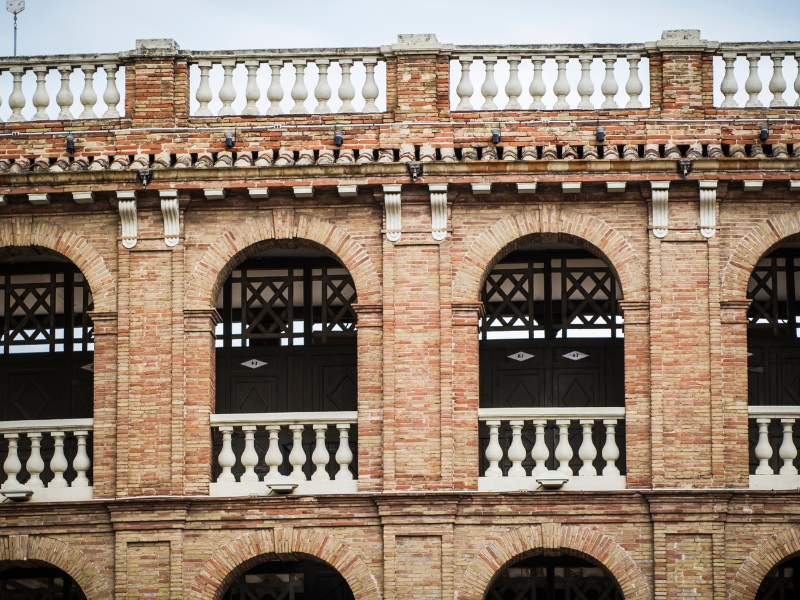
The architecture of the Plaça de Bous de València is a remarkable example of neoclassical design. Characterized by its circular plan, imposing facade, and intricate detailing, the structure showcases the craftsmanship and engineering skills of the period. The exterior features a stunning series of arches supported by brick pilasters, which add to the building’s aesthetic appeal. The use of brick, stone, and iron in its construction highlights the robust yet elegant design that defines the 19th century.
Inside, the tiered seating is arranged to provide an unobstructed view of the arena from any vantage point, ensuring an immersive experience for spectators. The bullring also contains designated areas such as the presidential box, the pens for bulls, and the chapel, reflecting the elaborate planning behind the structure. The sand-covered central arena, or “ruedo,” measures approximately 52 meters in diameter, making it one of the largest in Spain. While primarily built for bullfighting, the arena has been adapted to accommodate various cultural and entertainment events over the years.
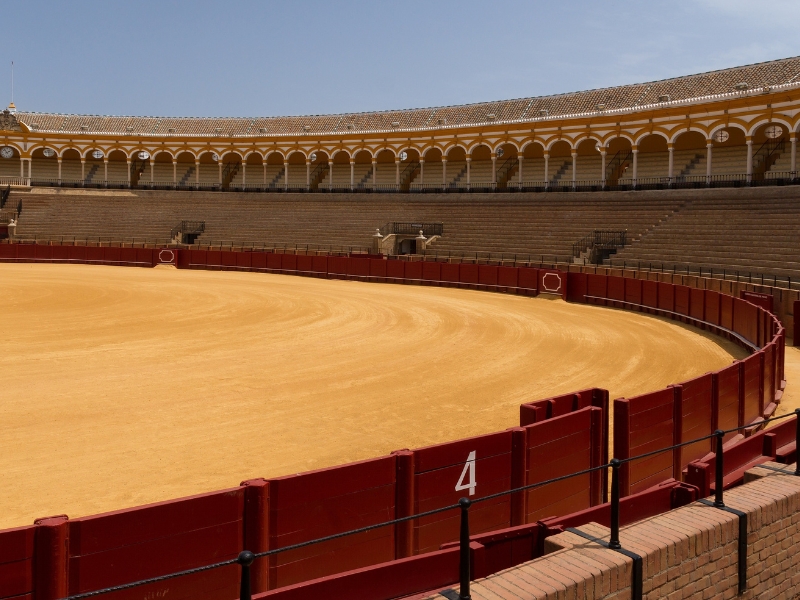
Cultural and Social Role
The historical significance of the Plaça de Bous extends far beyond its architectural beauty. It has been the site of countless bullfights, attracting aficionados from across Spain and beyond. However, the bullring has also served as a venue for a variety of other events, including concerts, festivals, and political rallies, demonstrating its role as a versatile public space.
Its enduring presence serves as a reminder of Valencia’s long and complex relationship with bullfighting, a tradition that continues to evoke strong emotions and cultural debates. Regardless of one’s stance on bullfighting, the bullring remains an undeniable part of the city’s historical and cultural landscape.
The Bullring Today
Today, the Plaça de Bous de València remains a vibrant and cherished landmark, attracting visitors seeking to experience a slice of Spanish culture. Despite changing societal attitudes toward bullfighting, the bullring remains a popular destination for tourists, history enthusiasts, and those interested in Valencian heritage. While bullfighting events still take place, they are often accompanied by cultural discussions on the ethics and future of the tradition.
In addition to bullfights, the venue regularly hosts concerts, fairs, and theatrical performances, making it a dynamic space for cultural expression. Its central location and accessible design make it a natural gathering point for residents and tourists alike. The bullring’s role as a symbol of Valencian tradition and architectural heritage reinforces its importance as a cultural destination.
Placa de Bous is part of Valencia scavenger hunt and walking tour!
Embark on an unforgettable journey through the enchanting city of Valencia with World City Trail. Our interactive walking tour combines the thrill of exploration with the rich history and culture of this beautiful city.
Key Features:
Interactive gameplay: Solve engaging puzzles and challenges as you explore the city.
Hidden gems: Uncover lesser-known spots.
Cultural insights: Learn about the city’s fascinating history.
Flexibility: Explore at your own pace and create your own itinerary.
Family friendly activity and a great way to explore the city!
Further reading on Wikipedia: Valencia